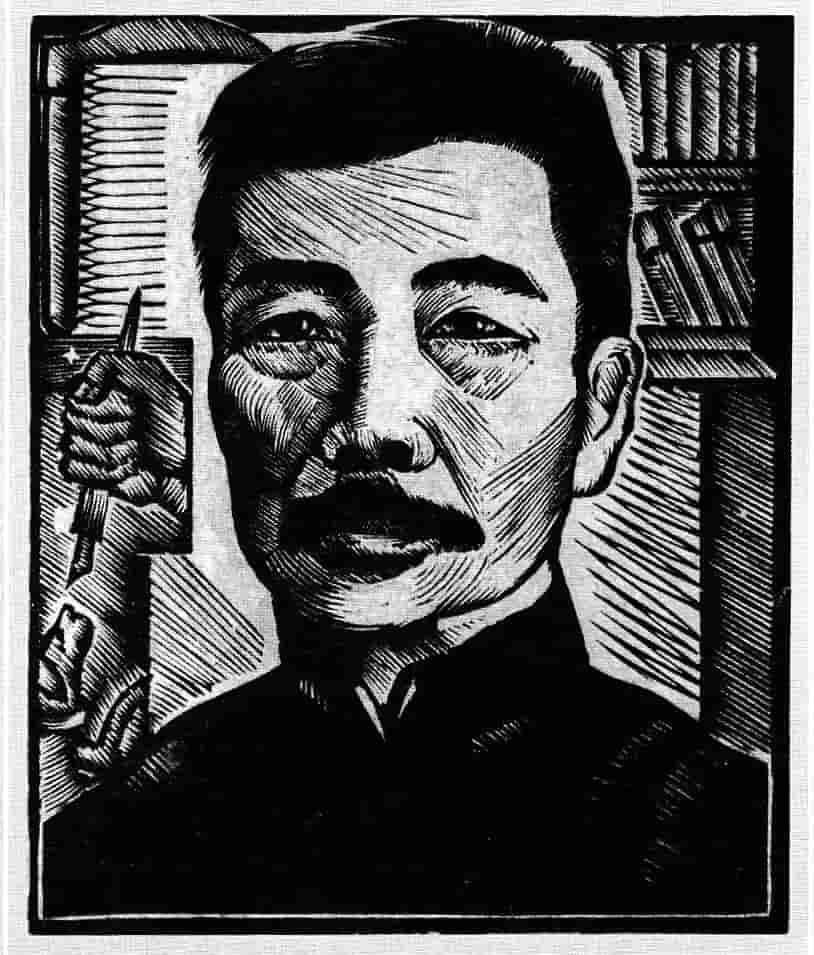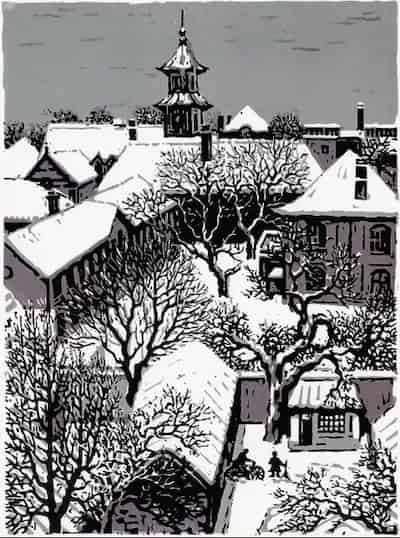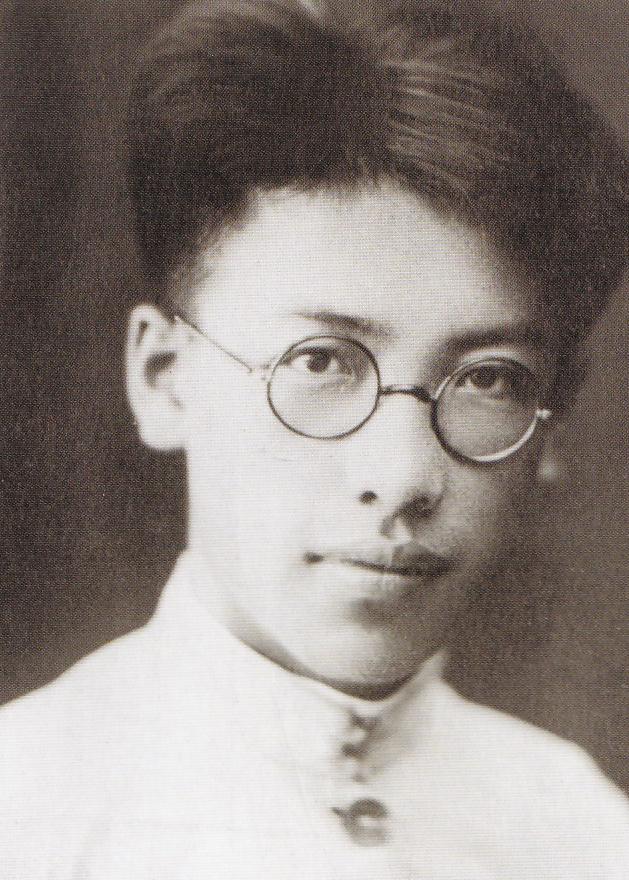
1941-1950

1941-1950

Childhood

A village childhood

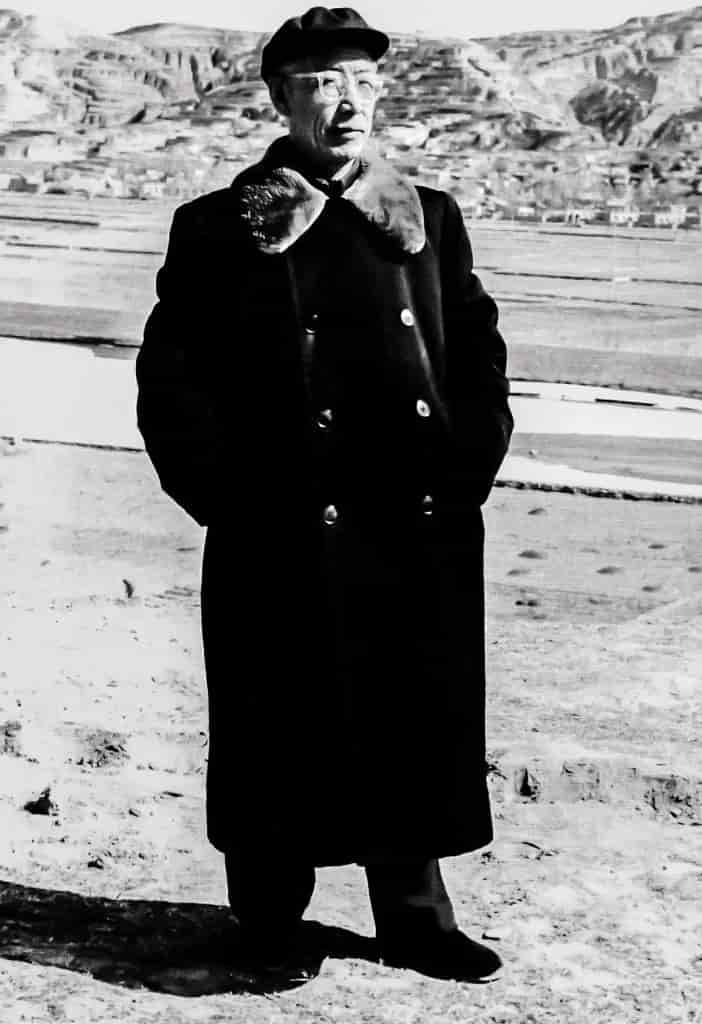
Liqun’s roots trace back to a quaint mountain village, an enclave characterised by a mere six courtyards and ten households in its nascent years. This hamlet, situated in Lingshi County, Shanxi Province, earned its identity as Hao Jia Zhang. Positioned to the east of Fenhe River, west of Huoshan Mountain, and south of Hanxinling, it abutted the rural expanse of Huozhou City. The village’s nomenclature, “Hao Jia Zhang,” subtly reflects its diminutive size, illustrating the linguistic adeptness of local forebears in encapsulating objects with concise Chinese characters. The narrative posited in this account suggests that the primary progeny, Liqun, hailed from Haojiazhang Village.

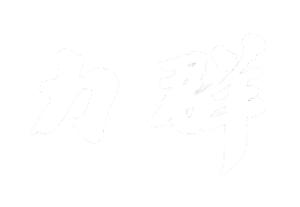
Liqun’s family name, Hao, aligns seamlessly with the appellation of his birthplace. Originally known as Hao Lichun, he opted to adopt the name Liqun for two principal reasons. Firstly, following his early entanglement in left-wing art activities and subsequent arrest, the appellation “Hao Lichun” became permanently etched in the records of the Kuomintang prison, rendering it unusable. Secondly, he harboured reservations about the perceived femininity associated with the name “Hao Lichun.” Hence, upon regaining freedom and guided by the exigencies of the dynamic societal milieu, he embraced the name Liqun as a testament to his commitment to serving the populace and a demonstration of faith in collective wisdom.  

Liqun’s family name, Hao, aligns seamlessly with the appellation of his birthplace. Originally known as Hao Lichun, he opted to adopt the name Liqun for two principal reasons. Firstly, following his early entanglement in left-wing art activities and subsequent arrest, the appellation “Hao Lichun” became permanently etched in the records of the Kuomintang prison, rendering it unusable. Secondly, he harboured reservations about the perceived femininity associated with the name “Hao Lichun.” Hence, upon regaining freedom and guided by the exigencies of the dynamic societal milieu, he embraced the name Liqun as a testament to his commitment to serving the populace and a demonstration of faith in collective wisdom. 

Liqun entered the world on December 25, 1912 (the 17th day of the 11th month in the lunar calendar), coinciding with the inaugural year of the Republic of China. Liqun’s formative years were imbued with the prevailing ethos of “revolution.” Yet, from his early years, his predilection for painting had already taken root, nurtured by his second grandfather, a peasant painter. The family abode adorned with plum, orchid, chrysanthemum, and bamboo paintings attested to this artistic heritage. Moreover, the nearby ancient temple, adjacent to the Enlightenment Primary School, featured paintings such as “Phoenix Playing with Peonies,” crafted by Liqun’s second grandfather. The indelible influence of these surroundings, coupled with his exposure to renowned works like “Mustard Seed Garden Painting Manual” and the name Fu Shan, fuelled Liqun’s growing fascination with the artistic domain. This affinity persisted through his academic journey, from the junior primary school in his village to Daomei Village Senior Primary School, ultimately leading him to Taiyuan Chengcheng Middle School. His subsequent enrolment in the National Hangzhou Art College (China Academy of Art) was a natural progression, rooted in a lifelong inclination toward artistic pursuits. While the term “revolution” initially resonated faintly in his youth, it progressively permeated the depths of his ideology, colouring his subsequent trajectory and life experiences in nuanced and profound ways. 

Liqun’s association with Chengcheng Middle School is emblematic of a nurturing experience that left an indelible mark on his life. Throughout the years, his footsteps and heartfelt imprints have illuminated a splendid journey shaped by the invaluable influence of Chengcheng Middle School. 
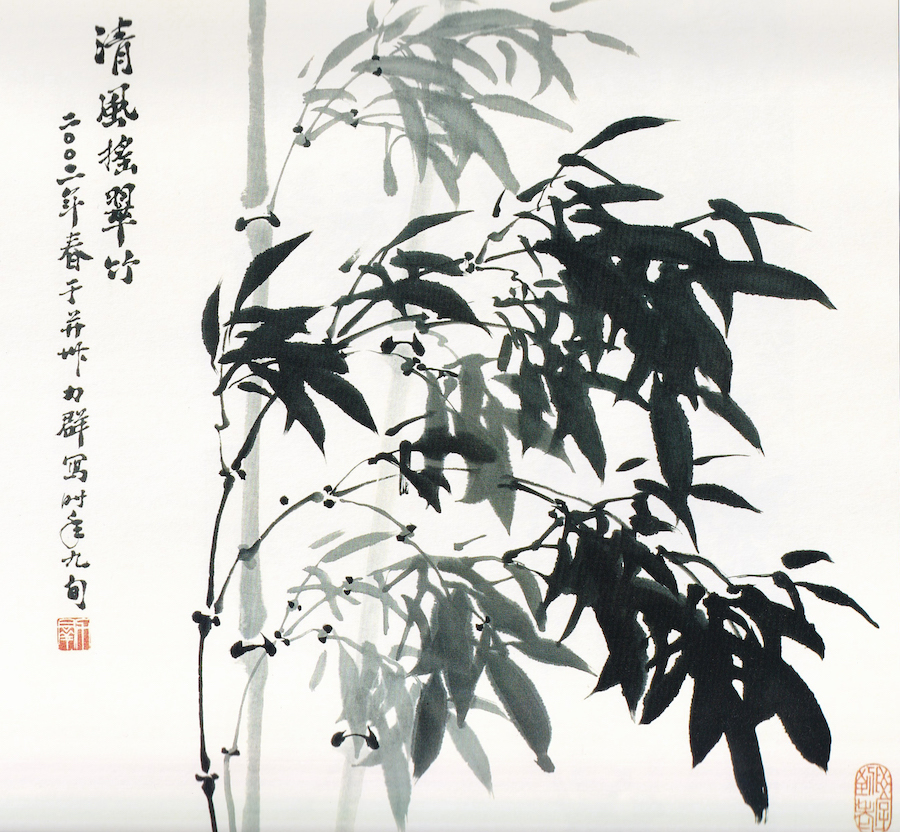
1941-1950

Engaging Li Shunda in the Creation of Production Strategies

Li Qun crafted the woodcut print of “Engaging Li Shunda in the Creation of Production Strategies” in 1951 as a form of propaganda during the early years of the People’s Republic of China. Li Shunda was depicted as a model worker representing the dedication of the labour force to the nation’s industrial and agricultural development. The woodcut aimed to promote the idea of collective effort and participation in economic planning, emphasising the importance of workers and experts in shaping production strategies for the nation’s development under communist leadership.

1941-1950

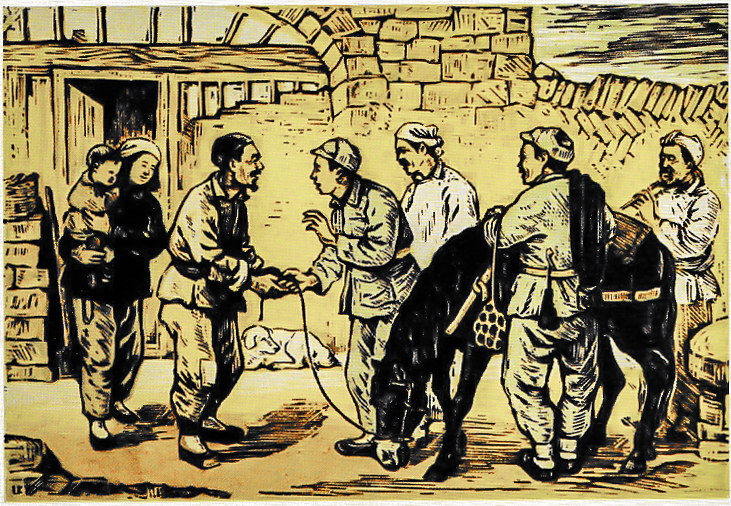
Giving Horses

The woodcut “Giving Horses,” created in 1948, responded to Commander He Long‘s call to donate surplus horses to aid impoverished military martyrs. Initially criticised for its portrayal of an elderly individual, Li Qun re-engraved the piece to emphasise the strength of the martyrs, earning widespread praise. It was exhibited at the inaugural National Literary Congress in 1949 and later included in the “New China Print Collection” by Shanghai Chenguang Publishing Company.

1941-1950

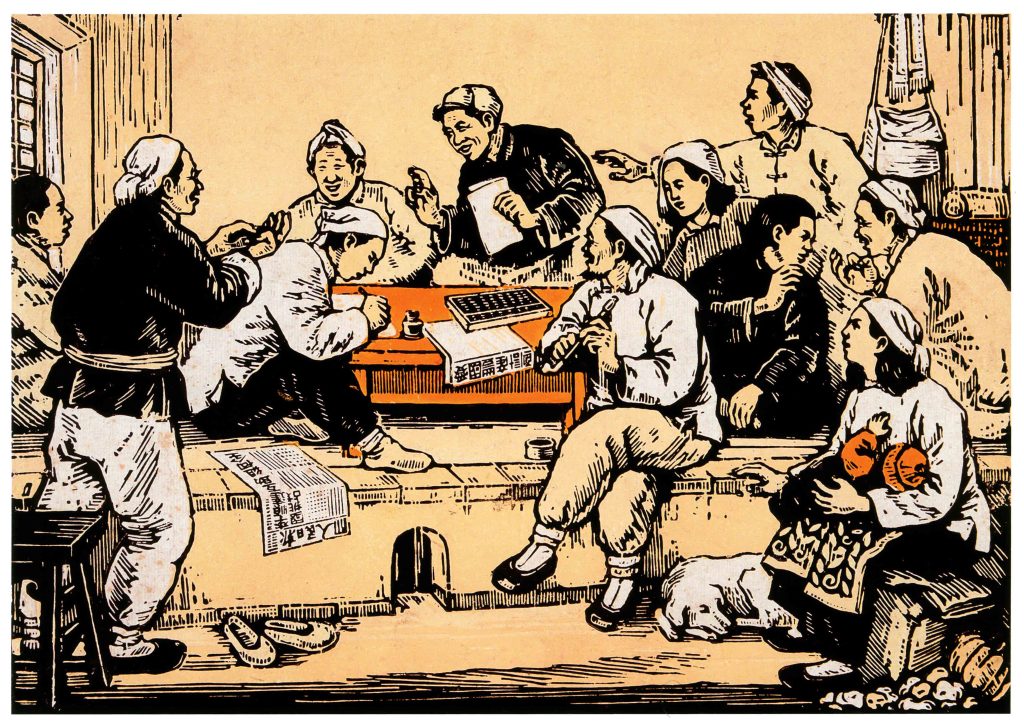
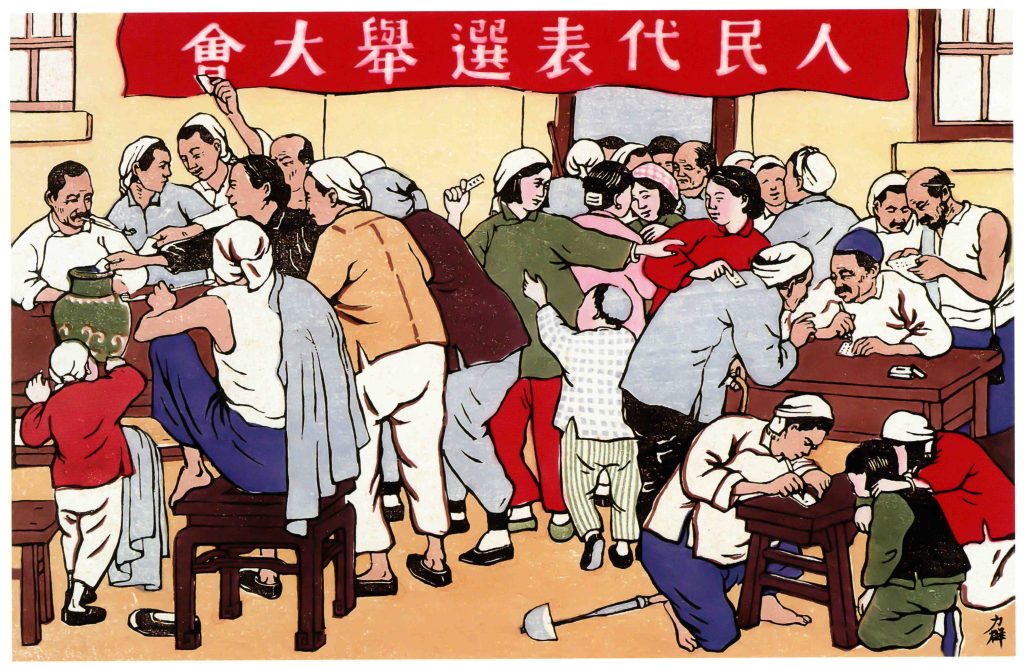
People’s Representatives Election

In 1947, Li Qun actively participated in the land reform movement in Chu County. Upon returning to Xing County in 1948, he created the “People’s Representatives Election” reflecting mass involvement in the reform. Published in the “Tianjin Daily” supplement, it gained acclaim from the Central Academy of Fine Arts. During the Spring Festival that year, Li Qun sold the pictures in Renyi Ancient Town, with overwhelming success. The sold-out pictures affirmed farmers’ appreciation for his work, strengthening his resolve to engage with rural communities.

1941-1950

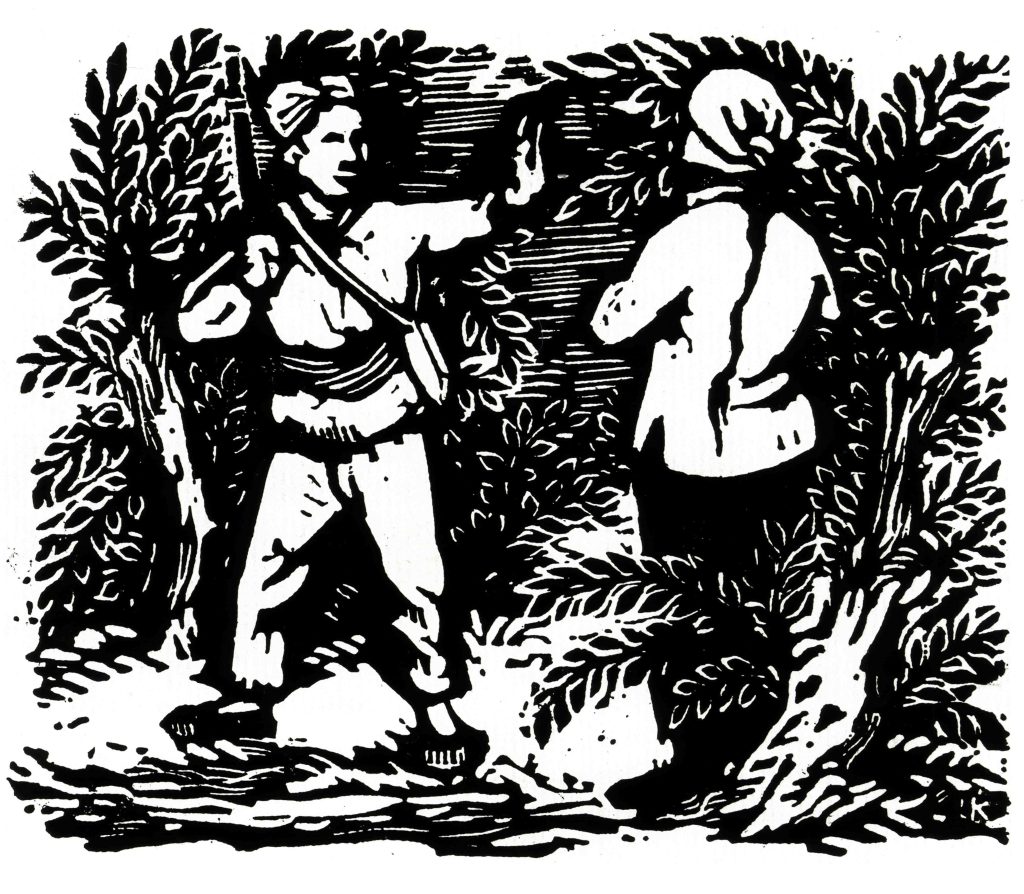
Illustrations for the book “Wang Gui and Li Xiangxiang”

Li Qun crafted the woodcut illustrations for the book “Wang Gui and Li Xiangxiang” in 1948 to add visual elements to the narrative. The book tells the story of Wang Gui and Li Xiangxiang, and the woodcut illustrations provide readers with vivid visual depictions, enhancing their understanding of the story’s plot and characters. Such illustrations also help attract readers, increasing the book’s appeal and interest.

1941-1950

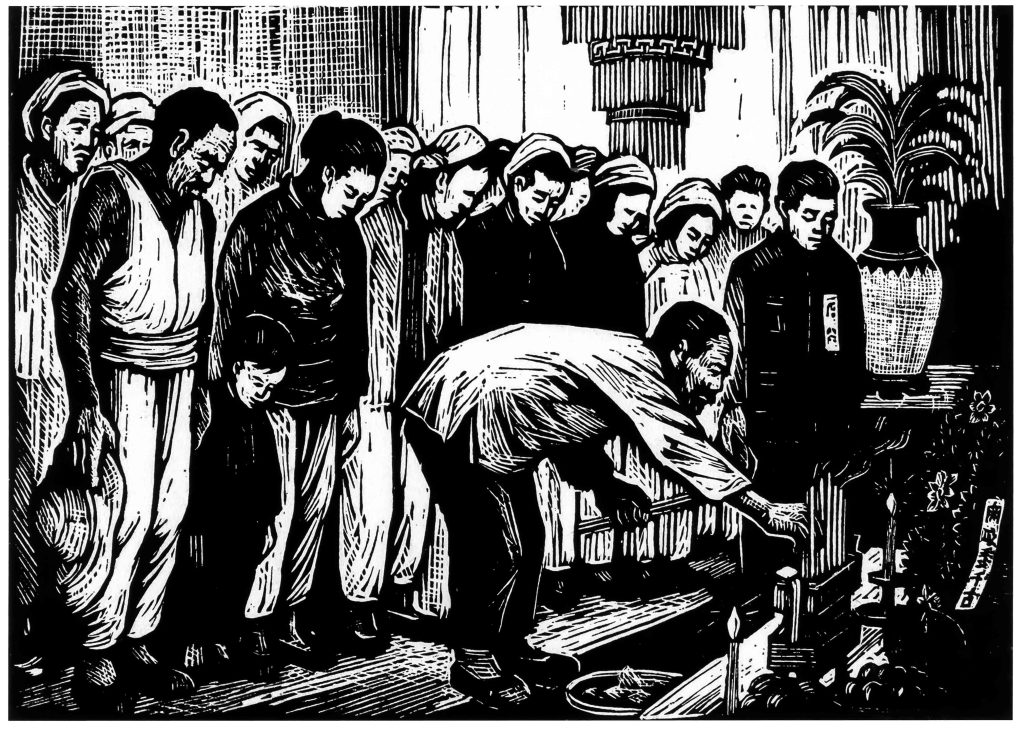
Paying homage to Comrade Guan Xiangying

Comrade Guan Xiangying, a Red Army veteran from Dalian City, Liaoning Province, held significant roles as the political commissar of the 120th Division of the Eighth Route Army and secretary of the Shanxi-Sui Branch of the CCP Central Committee. Following his passing due to illness in Yan’an in 1946, the military and civilians of the Shanxi-Suiyuan Border Region organised a grand public memorial ceremony in his honour. Li Qun actively participated in this tribute and created the woodcut, “Paying Homage to Comrade Guan Xiangying” as a commemorative piece.

1941-1950

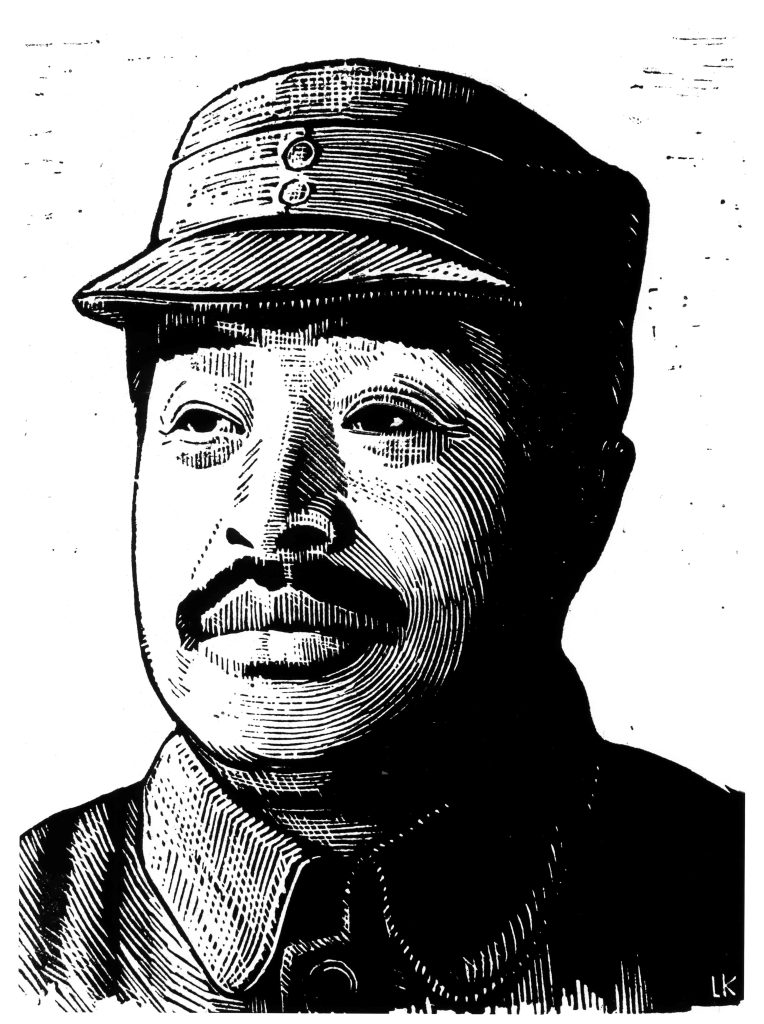
Comrade He Long

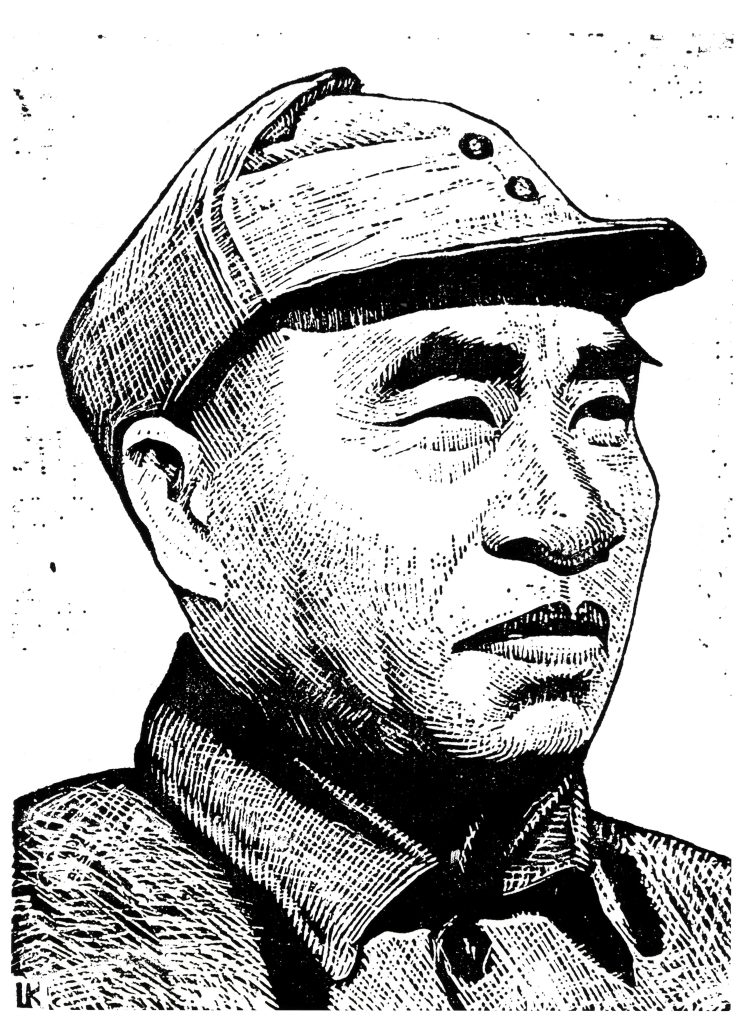
Li Qun created the woodcut “Portrait of Comrade He Long” in 1946, predating his meeting with He Long in 1947. Despite creating the artwork before their encounter, the woodcut serves as a tribute to He Long’s significance and contributions, capturing his essence through Li Qun’s artistic interpretation and based on public knowledge or reputation at the time.

1941-1950

Commander-in-Chief Zhu

Li Qun crafted the woodcut print of Commander-in-Chief Zhu in 1946 as a form of propaganda during the Chinese Civil War. Zhu De was a prominent military leader in the Communist Party of China, and his image was used to rally support for the communist cause. Woodcut prints were a common form of mass communication and were widely distributed among the population to promote revolutionary ideals and garner support for the Communist Party’s efforts against the Kuomintang (Nationalist) forces. Such prints often depicted party leaders as heroic figures, reinforcing their leadership and inspiring loyalty among the populace.

1941-1950

Weaving

In 1946, during Li Qun’s rural stay in Xiaoyi County, he collaborated with Shi Guiying, an expert in textiles and paper-cutting. They transformed Li Qun’s weaving pattern into window grilles, enhancing the design while preserving its essence. Titled “Weaving,” this collaborative paper-cut holds sentimental value for Li Qun, symbolising his experiences in the newly liberated areas and collaborative ventures. Despite unknown to Shi Guiying, their work gained international recognition when featured in a “Chinese Print Collection” published in Germany, resonating with admirers worldwide.

1941-1950

Teacher Liu Baotang

“Teacher Liu Baotang” a woodcut by Li Qun from 1945, depicts Model Teacher Liu Baotang teaching locals. This artwork signifies the dedication and influence of educators like Liu Baotang in educating and empowering local communities. It highlights the importance of education in uplifting society and fostering knowledge and skills among the populace. Through this woodcut, Li Qun celebrates the noble role of teachers in shaping the minds and futures of their students, promoting education as a means of progress and enlightenment in society.

1941-1950

Preparing the Classroom

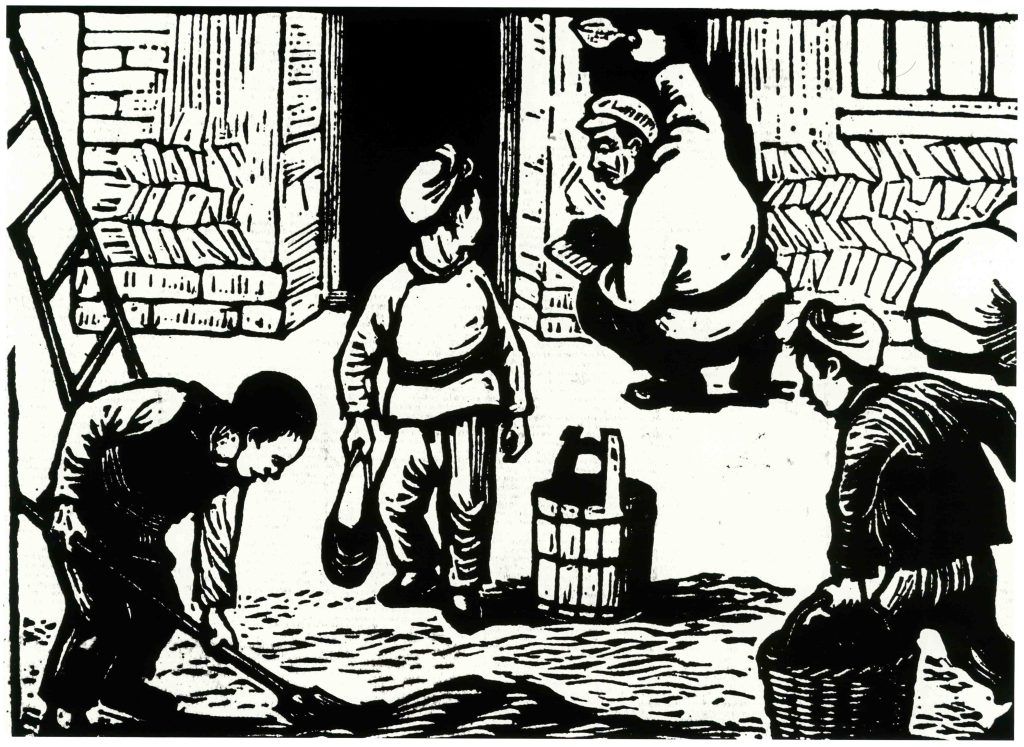
“Preparing the Classroom” a woodcut print by Li Qun from 1945, depicts a scene where three children are seen cleaning up the schoolyard while a teacher is rendering the outside wall of the classroom. This artwork symbolises the collective effort and responsibility of both students and teachers in maintaining and preparing the classroom environment. It highlights themes of cooperation, diligence, and care for one’s learning environment, emphasising the importance of a clean and orderly space for education.

1941-1950

The labour force team before departure

“The Labour Force Team Before Departure” a woodcut print by Li Qun from 1945, depicts a group of workers about to depart for work, listening attentively to their leader before heading off. This artwork captures the sense of unity, determination, and purpose among the workers as they prepare for their task. It symbolises the collective effort and cooperation necessary for accomplishing goals, highlighting the importance of teamwork and leadership in achieving success in labour-related endeavours.

1941-1950

Planting Trees

“Planting Trees” a woodcut print created by Li Qun in 1945, depicts a family planting a tree together. The scene shows the mother pouring water, the father filling the soil, and the son holding the tree in place, symbolising their collaborative effort in tree planting. This artwork reflects themes of family unity, environmental stewardship, and the importance of collective action in nurturing the environment.

1941-1950

Help People Repair Spinning Wheels

After 1944, Yan’an hosted model worker conferences and cultural gatherings. Faculty and students from “Lu Yi” were mobilised to create paintings featuring heroic figures for these events. Li Qun actively participated in painting and organising exhibitions. “Helping People Repair Spinning Wheels,” originating from one of his comic strips, depicts cultural hero Tao Duanyu, a teacher at Yangjialing Primary School, highlighting his commitment to serving the people. The piece also celebrates rural women and the new life emerging in liberated areas.

1941-1950

Abundant of Food and Clothing

After the Yan’an Literature and Art Forum, there was a surge of interest in folk art within Yan’an literary and art circles. In response, the “Lu Yi” Lu Xun Art Department encouraged the artists to create New Year’s paintings. Li Qun meticulously engraved “Abundant of Food and Clothing” drawing inspiration from his New Year painting manuscript. As the Spring Festival (Chinese New Year) approaches, the artwork captures the spirit of the people in northern Shaanxi as they work to build a better life, fostering joy and tranquility within their households. Collected by the Art Gallery of NSW Australia.

1941-1950

Model Worker Zhao Zhan Kui

“Model Worker Zhao Zhankui” is a woodcut print created by Li Qun in 1943. This portrait depicts Zhao Zhankui, a renowned figure celebrated for his contributions to labour. Li Qun’s woodcut captures the essence of Zhao’s heroism and dedication to his work, highlighting his significance within the context of Chinese society during that period.

1941-1950

Portrait of Comrade Mao Zedong

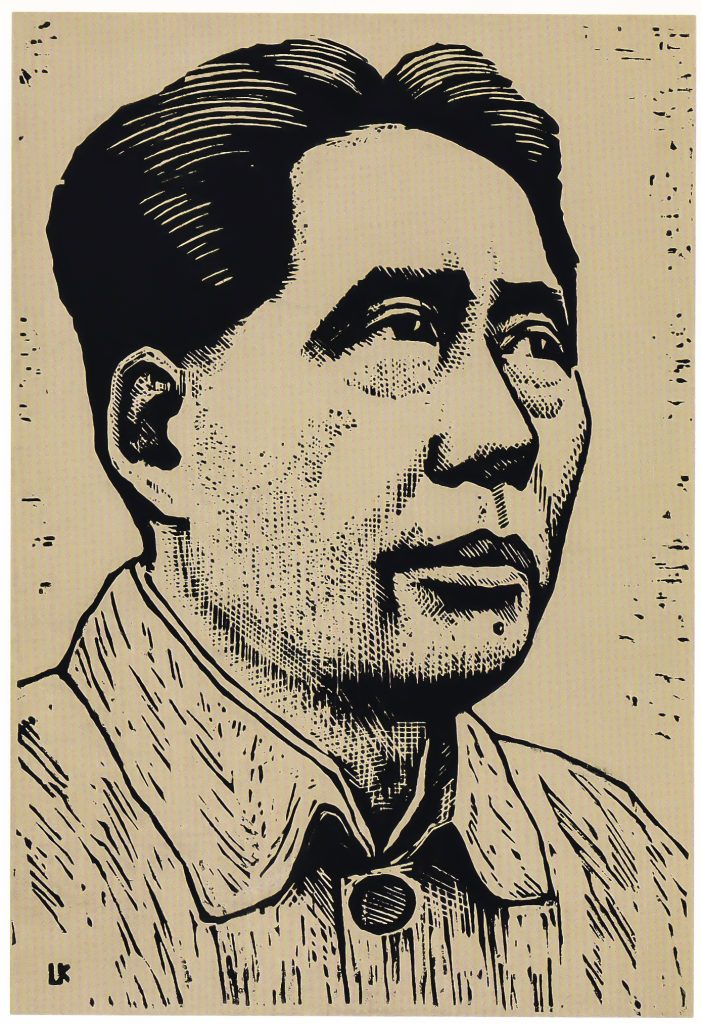
During the Yan’an Forum on Literature and Art, Li Qun created the “Portrait of Comrade Mao Zedong” with sincerity. Impressed by its quality, teachers suggested presenting it to Mao. Li Qun handed it to Mao’s secretary with respect during a visit to Yangjialing. Weeks later, Mao inquired about the portrait during a play, but Li Qun was absent. The original painting was later brightened after the forum.

1941-1950

Portrait of Chernyshevsky

Li Qun’s 1941 woodcut “Portrait of Chernyshevsky” is a significant piece influenced by socialism, depicting the Russian revolutionary and philosopher Nikolai Chernyshevsky. It symbolised socialist ideals and unity between China and the Soviet Union. Like his portrayal of Mayakovsky, Li Qun’s depiction of Chernyshevsky reflects socialist realism, aiming to illustrate the struggles and values of the working class. By featuring Chernyshevsky, Li Qun communicates themes of global solidarity and shared socialist objectives. Overall, this artwork exemplifies the socialist influence in Chinese art during the early 20th century, emphasising unity and collaboration among socialist nations.

1941-1950

Portrait of the poet Mayakovsky

Li Qun’s woodcut “Portrait of the poet Mayakovsky” from 1941 reflects socialist influence by depicting the Russian poet Vladimir Mayakovsky, a champion of socialist ideals. This artwork documents the solidarity between China and the Soviet Union, showcasing socialist ideology. Influenced by socialist realism, Li Qun aimed to portray the struggles and aspirations of the working class. By featuring Mayakovsky, a revered figure in the Soviet Union, Li Qun highlights themes of international solidarity and shared socialist goals. Overall, the woodcut exemplifies the prevalent socialist influence in Chinese art of the early 20th century, emphasising cooperation among socialist nations.

1941-1950

Portrait of Courbet

Li Qun created a woodcut portrait in 1941 that drew inspiration from the work or style of the French painter Gustave Courbet. Courbet was known for his realistic and often politically charged paintings, and his work have served as inspiration for Li Qun’s own artistic endeavours.

1941-1950

Northern Shaanxi Girl

“Northern Shaanxi Girl” is a renowned woodcut print by Chinese artist Li Qun from 1941. It portrays a young woman from Shaanxi province’s northern region using the traditional woodcut printing technique. The artwork is acclaimed for its representation of the resilience and beauty of Shaanxi women, capturing the essence of rural life and the simplicity of daily existence in the region. Li Qun, known for his focus on rural life and social themes in his woodcut prints, created this piece as a symbol of the spirit and character of the people of Shaanxi province.

1941-1950

Northern Shaanxi Elder

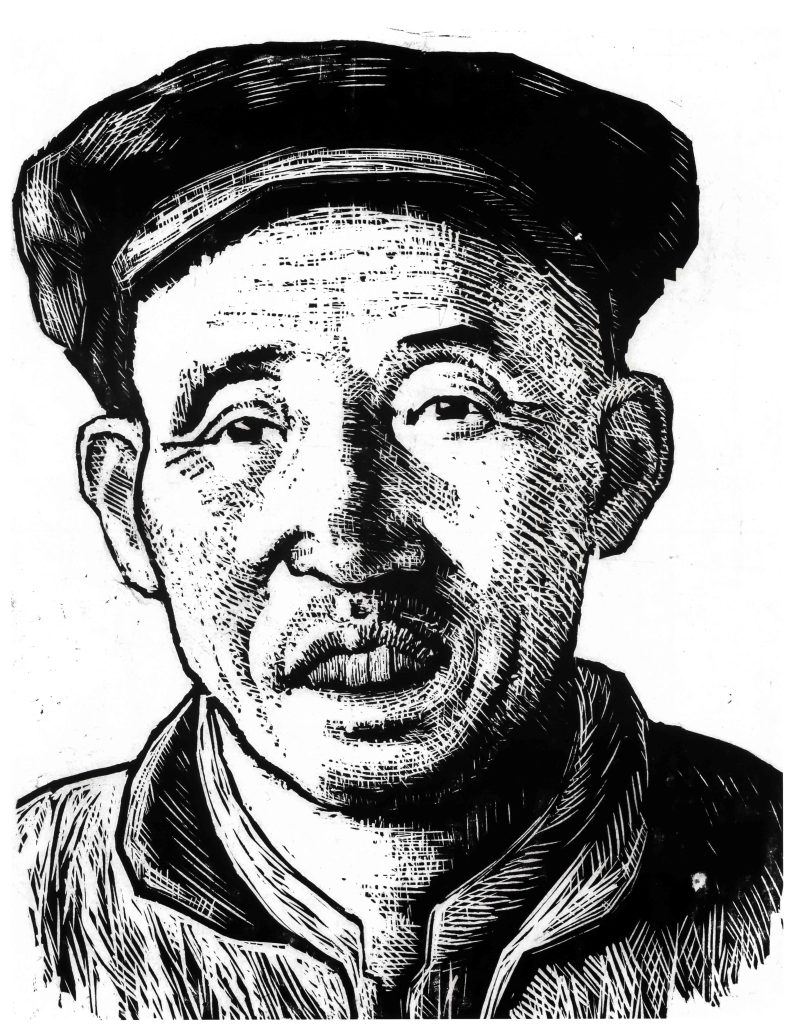
“Northern Shaanxi Elder” is a portrait by Chinese artist Li Qun from 1941, featuring an elderly man from the northern regions of Shaanxi province. As a portrait, it seeks to convey the subject’s likeness, character, and cultural significance. Such portraits often serve to memorialise individuals and reflect aspects of their identity, such as age, experiences, and social context. By focusing on an elderly figure from this specific region, the artwork provides insights into Shaanxi’s culture, traditions, and way of life during that era. It showcases Li Qun’s interest in representing the diversity of Chinese society and underscores the dignity and wisdom associated with old age. Despite potential limitations in specific details, the portrait contributes to preserving the visual history of Shaanxi province and its people during the early 20th century.

1941-1950

Women

“Women” A portrait of Li Qun’s wife Liu Pingdu 1941. This portrait offers insight into Li Qun’s artistic style and the love of his life Liu Pingdu.

1941-1950

Worker

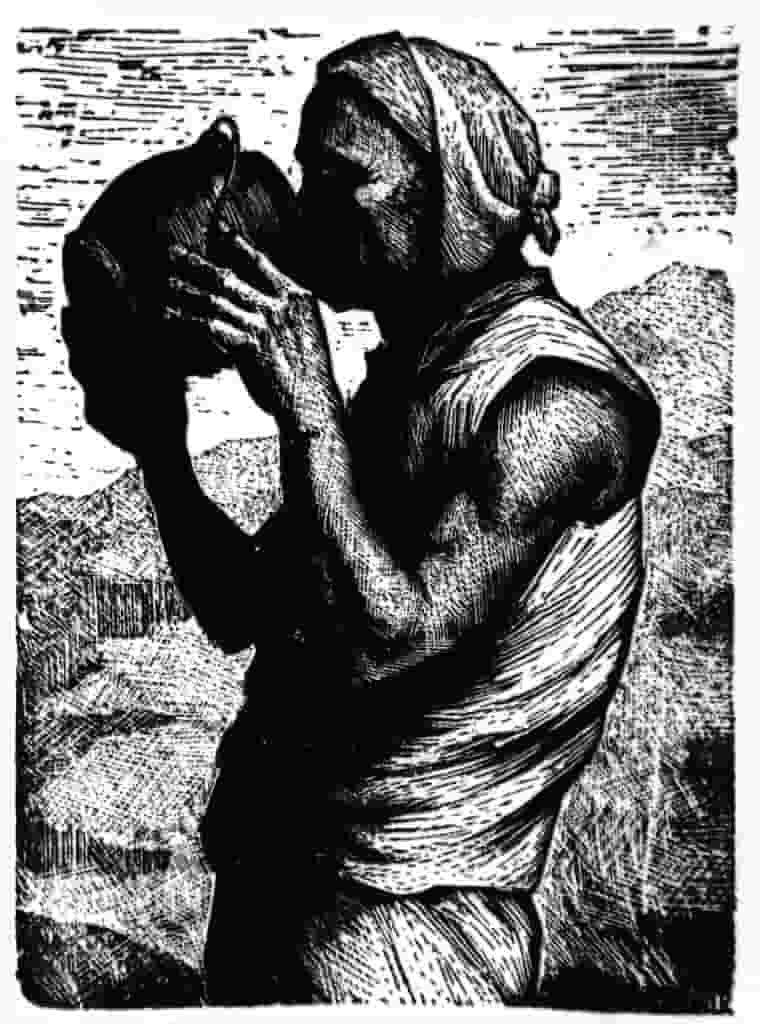
The “Worker” woodcut print crafted by Chinese artist Li Qun in 1941, depicting weathered male face amidst the hardships of a turbulent era in China. Woodcut printing, an ancient Chinese art form, involves carving images onto wooden blocks for printing on various surfaces. Throughout the early 20th century, China experienced significant social and political unrest, including Japanese invasion during World War II. Artists such as Li Qun used their work to spotlight the struggles of common people, particularly labourers facing adverse conditions. This print portraying the rugged faces of a worker, symbolising their resilience and determination amid adversity, serving as poignant representations of the working class’s challenges during this period.

1941-1950

Transporting Charcoal

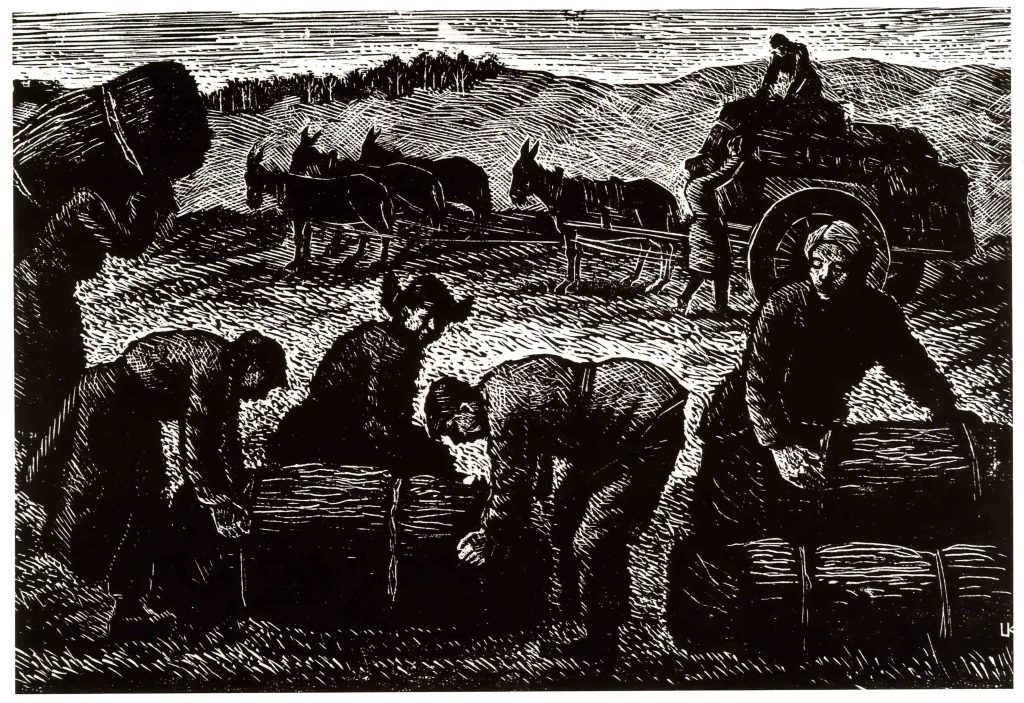
“Transporting Charcoal” a 1941 woodcut by Li Qun portrays civilian workers in China loading charcoal onto donkey carts, documenting the hardships of the time. The woodcut highlights the labour-intensive nature of charcoal production and transportation, emphasising manual labour and collective effort. Symbolically, it reflects themes of resilience and perseverance, shedding light on the challenges faced by workers in industries like charcoal production. The use of donkey carts underscores reliance on traditional transportation methods, revealing the lack of modern infrastructure. Overall, “Transporting Charcoal” serves as a testament to the resilience of civilian workers, offering insight into the realities of life in China during the 1940s.

1941-1950

Rest

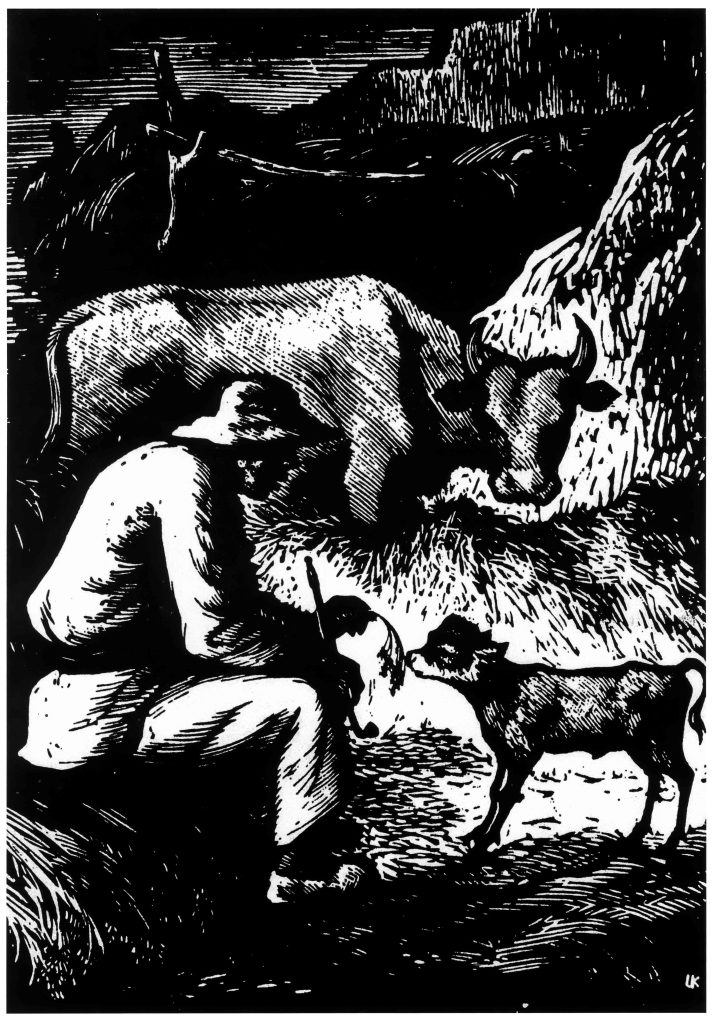
“Rest” a 1941 woodcut by Li Qun, depicts a farmer seated on a straw bale with a calf sniffing grass from his hand, while a bull observes in the distance. This serene image documents the importance of rest and harmony with nature in rural life. It portrays the farmer’s tranquility and connection with the environment, emphasising the symbiotic relationship between humans and animals. Overall, “Rest” conveys themes of nurturing, care, and appreciation for the simple pleasures of agricultural life, serving as a poignant reminder of the beauty found in moments of respite amidst the demands of farming and China’s unrest at the time.

1941-1950

Radish Peeling

“Radish Peeling” a 1941 woodcut by Li Qun depicts a man peeling a radish in the fields documenting rural life and sustenance in China. It highlights the self-sufficiency of individuals reliant on agriculture for sustenance. The act underscores the value of locally grown produce and the satisfaction of simple pleasures. The woodcut evokes nostalgia for traditional agricultural practices and celebrates the connection between humans and nature.

1941-1950

Cave Dwelling Build

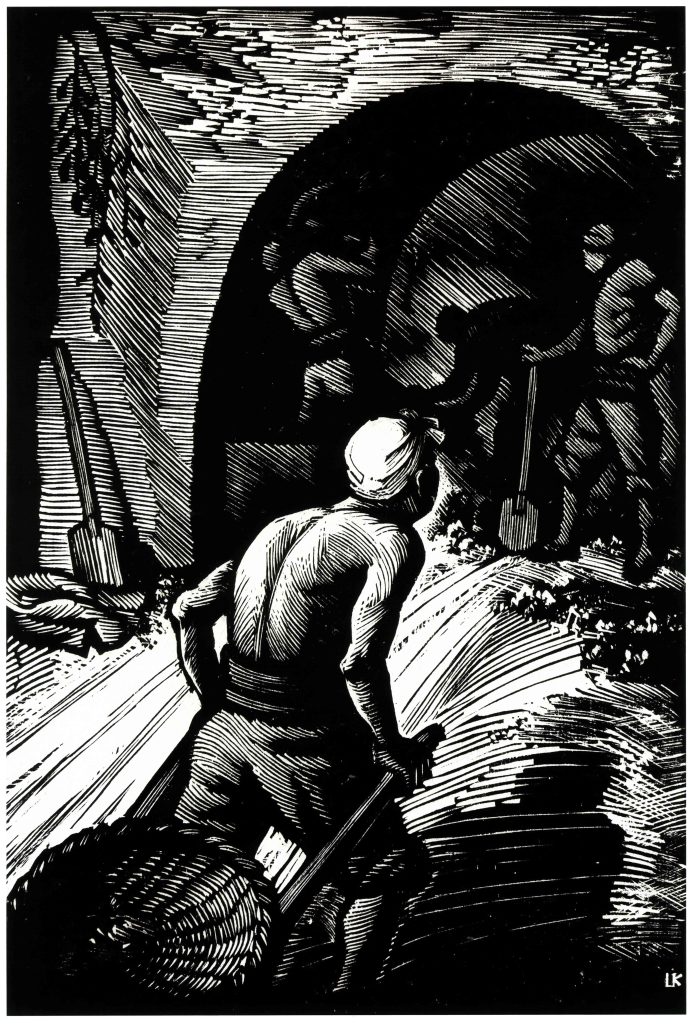
In Yan’an, Li Qun resided in a cave dwelling ‘Yaodong’ in Chinese dwellings common in the Loess Plateau, like many others in the area. These simple earthen abodes, crafted in harmony with the local terrain, provided warmth in winter and coolness in summer. Despite being subjected to bombings by Japanese planes, these resilient structures showcased the unique architectural advantages of the region. Li Qun’s 1940 creation, “Cave Dwelling Build” pays homage to the migrant workers who built these caves and commemorates their resilience during challenging times. The woodcut depicts the labour-intensive process of constructing traditional Chinese cave dwellings, reflecting rural life and architectural practices of the time. It symbolises the ingenuity of Chinese people in adapting to their environment and the importance of communal effort in traditional society. Overall, “Cave Dwelling Build” offers insight into rural China’s architectural heritage and communal spirit, highlighting the resilience and adaptability of its inhabitants.

1941-1950

Weeding Resistant Species

“Weeding Resistant Species” a 1941 woodcut print by Li Qun, portrays farmers meticulously removing weeds from fields to protect soil and crops. The artwork signifies the significance of agricultural practices and the resilience of farmers. It emphasises weed management’s importance for crop health and productivity, showcasing farmers’ dedication to maintaining fertile soil. Overall, the woodcut celebrates farmers’ hard work, highlighting their crucial role in food production and to ensure future food security.
1941-1950

Yan’an Luyi School

Originally serving as a location for Spanish Catholic priests to preach, the site of the “Lu Yi” school in Yan’an underwent a significant transformation with the arrival of the Red Army in northern Shaanxi. Following the departure of the priests, the premises evolved into the esteemed “Lu Xun Academy of Fine Arts“. In 1941, Li Qun carved “Yan’an Lu Yi School” initially titled “Yesterday’s Church”. This woodcut masterpiece garnered considerable acclaim when exhibited at the Yan’an Military Club. Poet Ai Qing, in a review article for the “Liberation Daily” hailed it as the finest among all works, praising its “most commendable painting” and “the most vivid expression technique”.

1941-1950

Logging

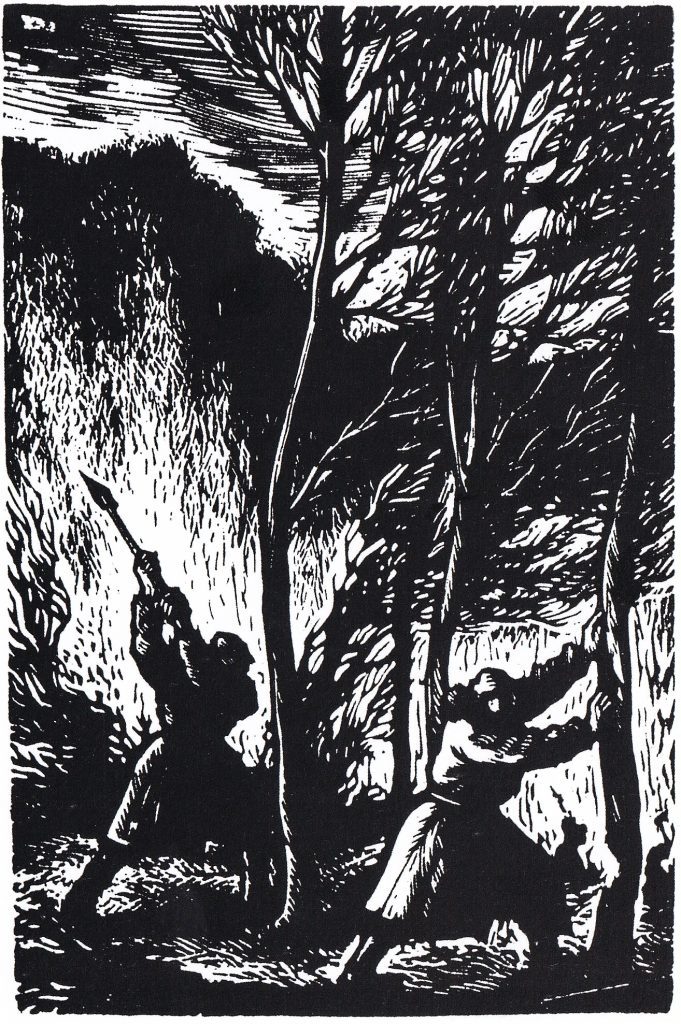
“Logging,” a woodcut created by Li Qun in 1941, portrays two men engaged in the process of cutting down trees. One man wields an axe, while the other prepares to push over a felled tree. Symbolising labour and industry, the woodcut highlights the physical exertion and manual labour required in logging. It reflects the hardworking nature of the people of China during that time. Overall, “Logging” by Li Qun serves as a depiction of the industriousness and dedication of workers in the logging industry.

Scroll to Top

In memory of Li Qun (1912-2012)

Our mission is to safeguard and champion Li Qun’s artistic legacy and literature for the benefit of future generations. This digital memorial stands as a tribute to Li Qun’s lifetime of artistic brilliance.

Our pledge is to meticulously document and categorise every piece of art created by Li Qun, creating a comprehensive resource for enthusiasts and scholars alike. Furthermore, we are committed to preserving his gallery, the Li Qun Art Gallery, and promoting Lingshi county, Taiyuan city and Shanxi province. 

Delve into our extensive online catalogue, uncover the curated locations of Li Qun’s art, or visit the Li Qun Art Gallery located in the culturally rich Wang Jia Da Yuan. Set against the backdrop of the heritage-listed Wang’s Family Compound, a Qing Dynasty mansion, the gallery seamlessly blends art and tradition.

Explore the profound impact of Li Qun’s artistic journey, through both the visual realm and the literary dimensions of his work.

Childhood 1912-1930

A village childhood Li Qun’s roots trace back to a quaint mountain village, an enclave characterised by a mere six courtyards and ten households in its nascent years. This hamlet, situated in Lingshi County, Shanxi Province, earned its identity as Hao Jia Zhang. Positioned to the east of Fenhe River,

Read More »

Entering Society 1931-1935

A fervent and spirited young man, deeply moved by the news of the “September 18th” incident, found himself compelled to resist the aggressive incursions of Japanese imperialism on Chinese soil. Unwilling to acquiesce to a policy of non-resistance before aggressors or to tolerate any actions undermining national prestige, the young

Read More »

War of Resistance to Japan 1936-1938

Following the Marco Polo Bridge Incident on July 7th, a significant event unfolded in Shanghai known as the “August 13th” Anti-Japanese War. It marked a critical juncture for the Chinese nation, prompting a collective response from those unwilling to endure subjugation. The call to action resonated with the spirit of

Read More »

Journey to Yan’an 1939-1945

In Li Qun’s contemplation, Yan’an had long been the revered sanctuary he ardently sought. Communist Party members and numerous progressives within the “Wuhan Third Office” had already developed a certain level of “Yan’an Fever”. Although Li Qun was not yet a Communist Party member at that time, Guang Weiran had

Read More »

Journey Along Jinsui 1946-1948

In August 1945, following the Japanese surrender, Liqun bid farewell to Yan’an, where he had dedicated six years of work and life. He arrived in Xingxian County, Shanxi Province, which served as the political and cultural hub of the Shanxi-Suiyuan Border Region. There, he assumed the role of chief editor

Read More »

Formative Years of the People’s Republic 1949-1966

Following the inaugural national literary congress, Li Qun adhered to Comrade Zhou Yang’s directives and returned to Shanxi to collaboratively establish the Shanxi Federation of Literary and Art Circles with Comrade Gao Muhong. In December 1949, the first literary congress of Shanxi Province was successfully convened, electing Gao Muhong as

Read More »

A Decade of Challenges 1966-1976

During the tumultuous period of the “Cultural Revolution,” Li Qun, like many writers and artists, faced severe hardships and endured humiliation. Initially transferred back to Shanxi in early 1966, the upheaval of the “Cultural Revolution” saw him forcefully returned to Beijing, labeled as part of the “gangster” team of “reactionary

Read More »

The Dawn of a New Era 1977-1997

With the demise of the “Gang of Four,” a wave of joy swept across China. Li Qun, like countless others, found himself advancing into a new chapter in the aftermath of the storm, standing beside the “sinking boat” and the “ailing tree” during a time of tremendous possibilities. 

Read More »

Enchanting Twilight 1998-2012

Determining precisely when Li Qun entered old age proves challenging, given the considerable gap between his vitality and chronological age. As mentioned earlier, even in his 70s during the reform and opening up era, he exhibited a spirit that belied his years. Approaching 80, on the cusp of the new

Read More »

Literature

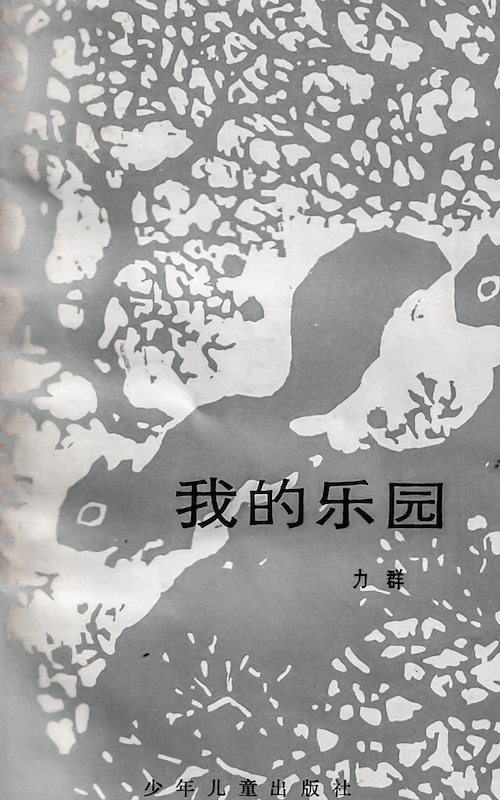
My Paradise

The pure and lively sensibilities of children, influenced by nature, the memorable and relatable people encountered during youth, and the longing of young minds for life and his emotional reflections. These themes permeate the work of the acclaimed woodcuts artist Li Qun. In this book, Li Qun skilfully intertwines literature

Read More »

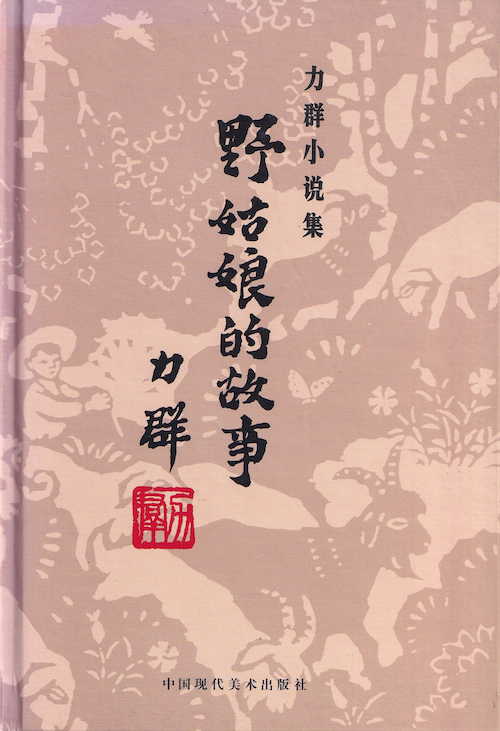
The tale of the wild girl

In the remote mountain village of Shanxi Province, Guilian grows up without her mother’s love, facing her father’s bitterness and the superstitions that label her unlucky. Despite harsh circumstances, she finds solace in nature and solitude. As she matures, Guilian’s resilience becomes her strength, defying her father’s attempts to sell

Read More »

Li Qun Art Insights

Li Qun the renowned woodcuts artist from Shanxi has weathered numerous challenges and remained committed to self-improvement, guided by unwavering beliefs and relentless determination. His journey from rural origins to urban landscapes, from the city to Yan’an, reflects his resilience and perseverance amidst life’s trials. This book not only chronicles

Read More »

My Art Journey

An autobiography penned by the renowned Chinese woodcuts artist Li Qun. Through a blend of documentary techniques, Li Qun vividly recounts the twists and turns of his career, tracing his creative journey and artistic evolution over the past century. This captivating autobiography immerses readers in the rich tapestry of historical

Read More »

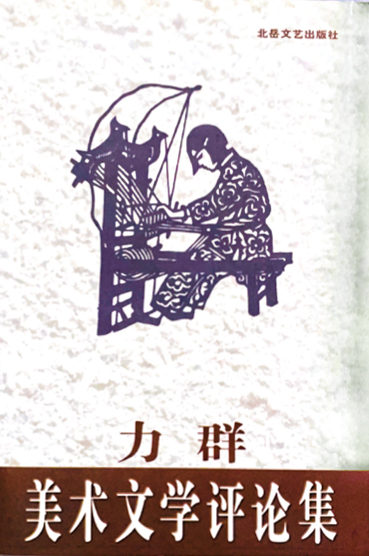
The Art and Literature Review Collection of Li Qun

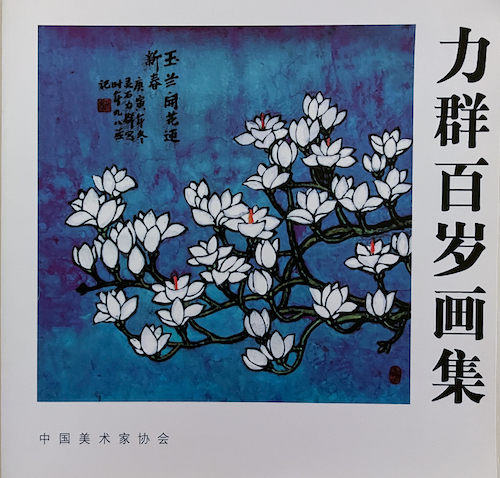
Li Qun renowned woodcuts artist who has been engaged in artistic creation for nearly 60 years. He persists in both printmaking and literary creation, and is also involved in Chinese painting. Additionally, he is a well-known art critic. His prints are characterised by their simplicity, clarity, and lyrical colours, reflecting

Read More »

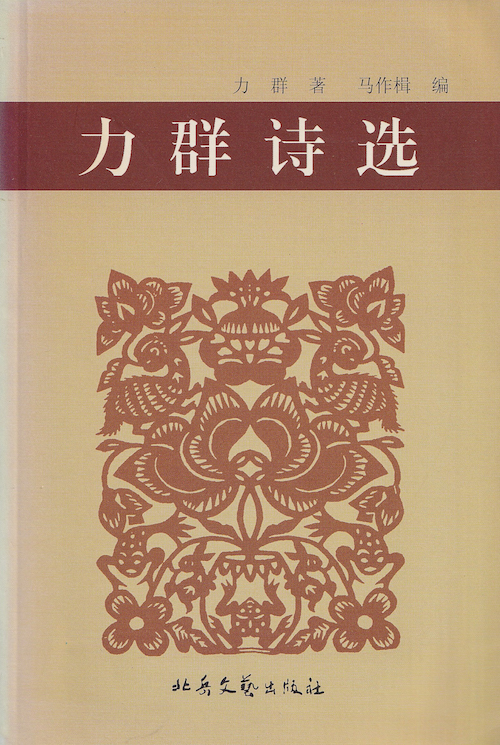
Selected Poems of Li Qun

“Selected Poems of Li Qun,” compiled by the artist himself, finding its verses rich in sincerity, vivid imagery, and melodious rhythms. Divided into three volumes with a total of 88 poems, the collection showcases Li Qun’s deep emotions, artistic vision, and linguistic precision. Each poem resonates deeply, ranging from tranquil

Read More »

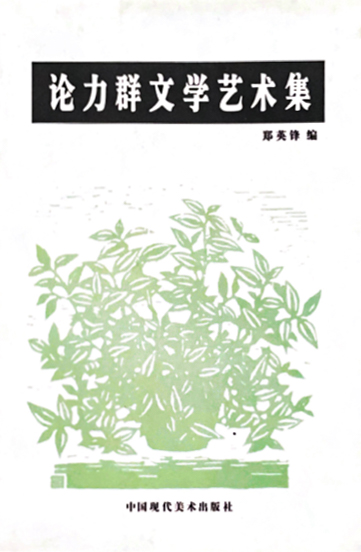
Literary and Artistic Collection of Li Qun

Li Qun, born on December 25, 1912, in Haogia Village, Shanxi Province, has been involved in art for nearly 60 years. He grew up in a rural environment, which greatly influenced his woodcut creations and writings. Li Qun studied at the National Hangzhou Art Specialized School and later joined the

Read More »

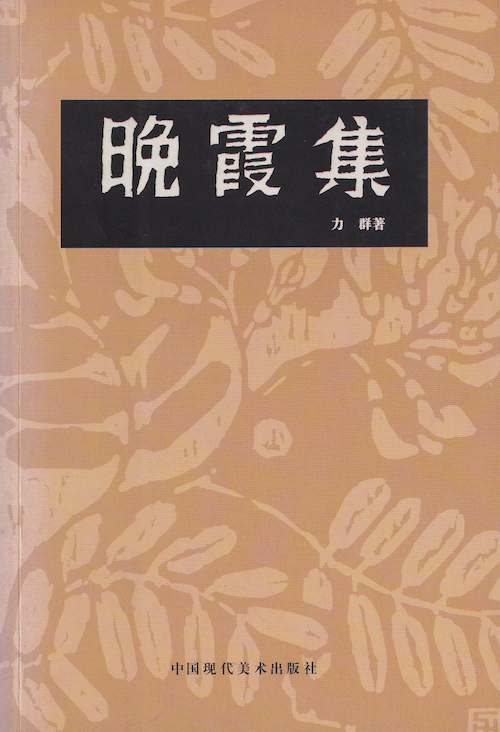
Sunset Collection

Li Qun, known primarily as a woodcuts artist showcases his literary talents alongside his passion for painting in an anthology spanning novels, essays, and critiques. The collection starts with “The Story of the Wild Girl,” a moving novel, followed by serene prose pieces like “My Paradise” and “Hua Orchid.” His

Read More »

Diary of living in Australia

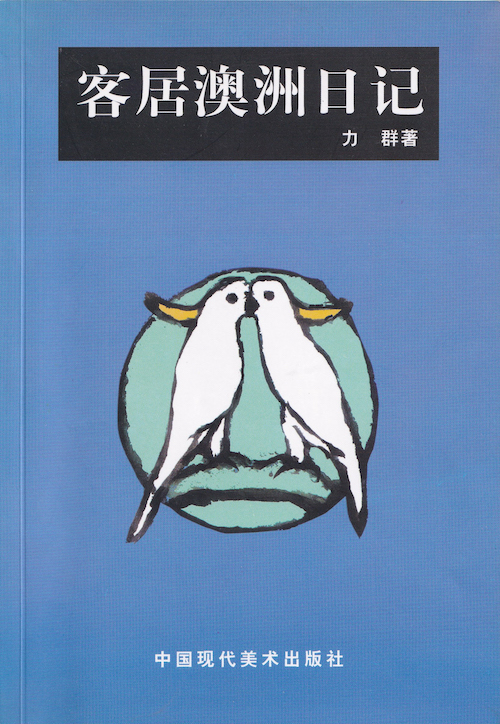
In December 1994, Li Qun embarked on a five-month journey to Australia, chronicling his experiences in “Diary of living in Australia.” Through daily entries, he contrasts the climate, environment, and cultural interests of Australia with the mainland. Sydney’s wildlife, especially the playful parrots, captivated him, as shared in his letter

Read More »

Afterglow Collection

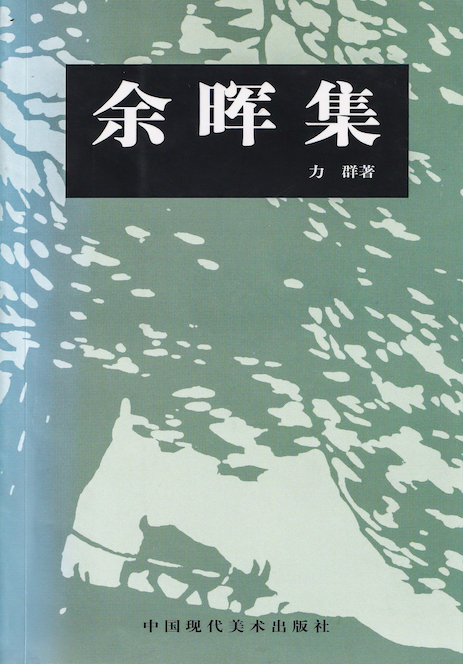
The “Afterglow Collection” signifies the culmination of Li Qun’s literary journey following the “Sunset Collection”. Within its 34 articles, each holds significance. Particularly noteworthy is “The Eternal Navigation Lighthouse,” detailing the “Yan’an Forum on Literature and Art” exploring its historical impact and contemporary interpretation. “My Creative Path” delves into personal

Read More »

Special Edition Wishing Mr. Li Qun a Happy 97th Birthday

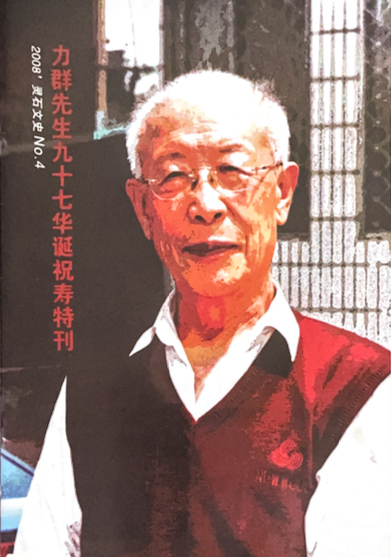
Congratulations – To Mr. Li Qun, a renowned Chinese printmaker, writer, literary critic, and local luminary. Respected Mr. Li Qun: Today marks your 97th birthday. First and foremost, please allow us, on behalf of the Ling Shi County Committee, Government, People’s Congress, Political Consultative Conference, and all 240,000 residents of

Read More »

Picture Biography of Li Qun Iconic Woodcuts Artist

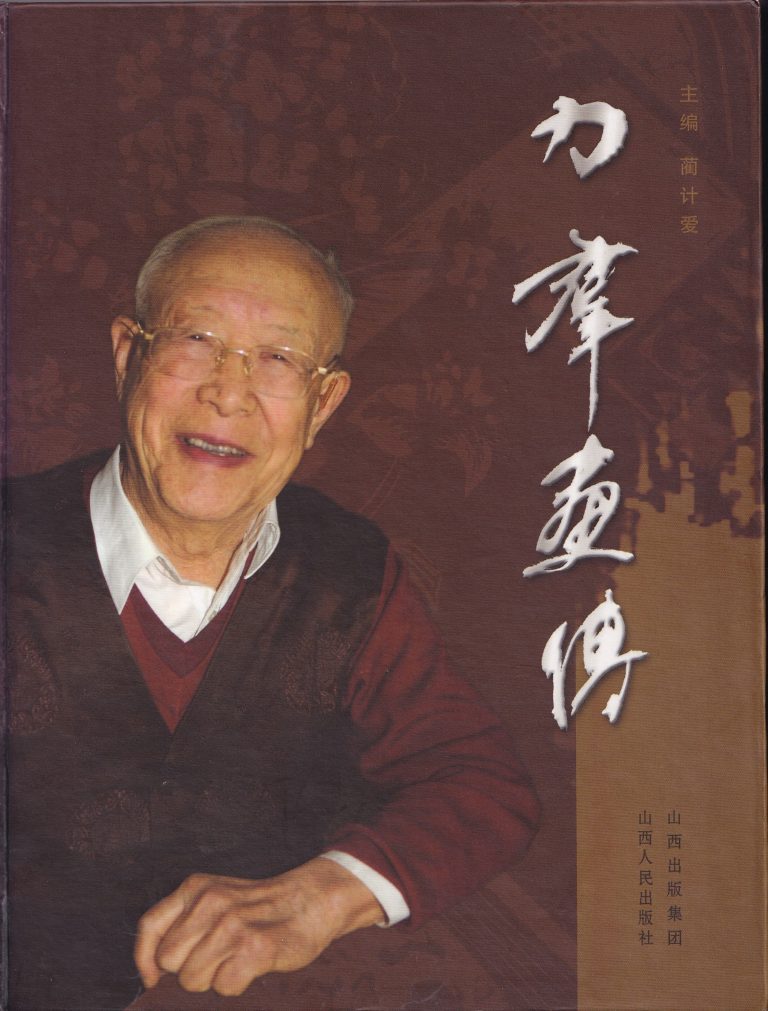
The forthcoming “Picture Biography of Li Qun” provides an in-depth look into the life and artistic journey of this revered figure. From his humble beginnings in Shanxi to becoming a pioneering force in China’s woodcuts and printmaking movement. Li Qun’s unwavering commitment to his craft endured personal and political challenges.

Read More »

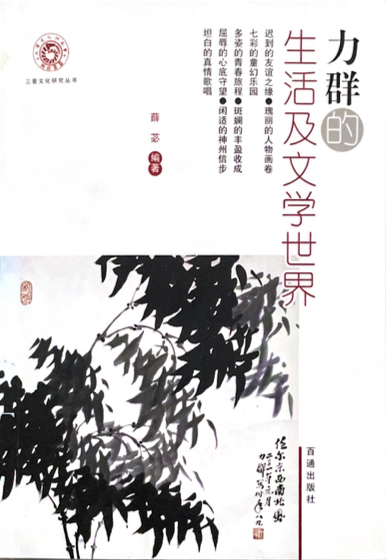
The Life and Literary World of Li Qun

Li Qun, in my view, is a remarkable figure of his generation. Decades ago, I came across his woodblock prints in the “Jin Sui Daily,” and they truly captivated me. He had connections with the cultural giant of China, Mr. Lu Xun, as early as the 1930s. He was the

Read More »

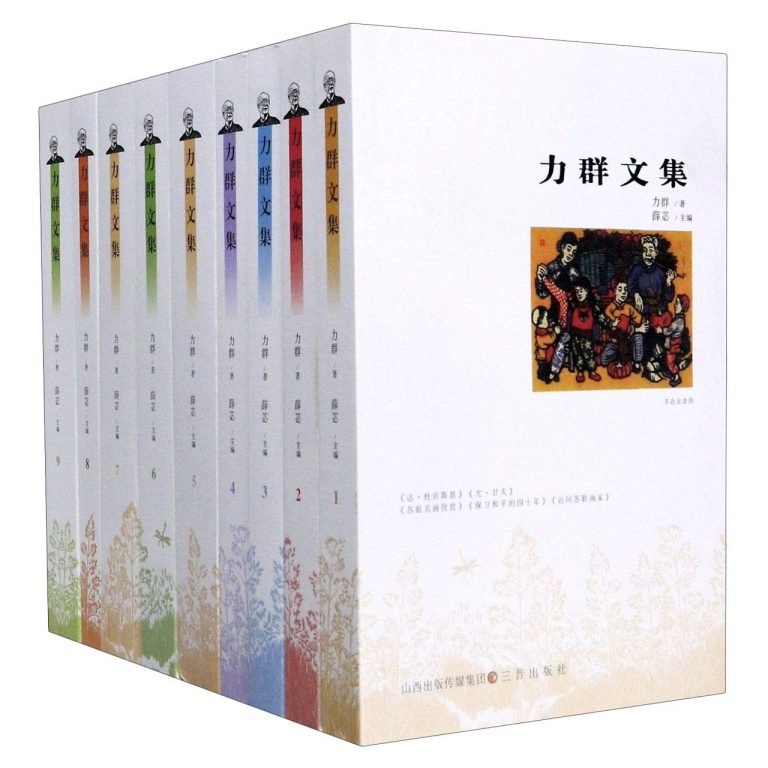
The Complete Works of Li Qun

“The Complete Works of Li Qun” is a comprehensive nine-volume collection that showcases Mr. Li Qun’s dedication and creative accomplishments across various fields such as woodcut paintings, essays, novels, and literary critiques. Each volume stands as a complete entity, offering readers a glimpse into Mr. Li Qun’s artistic evolution from

Read More »

Catalogues

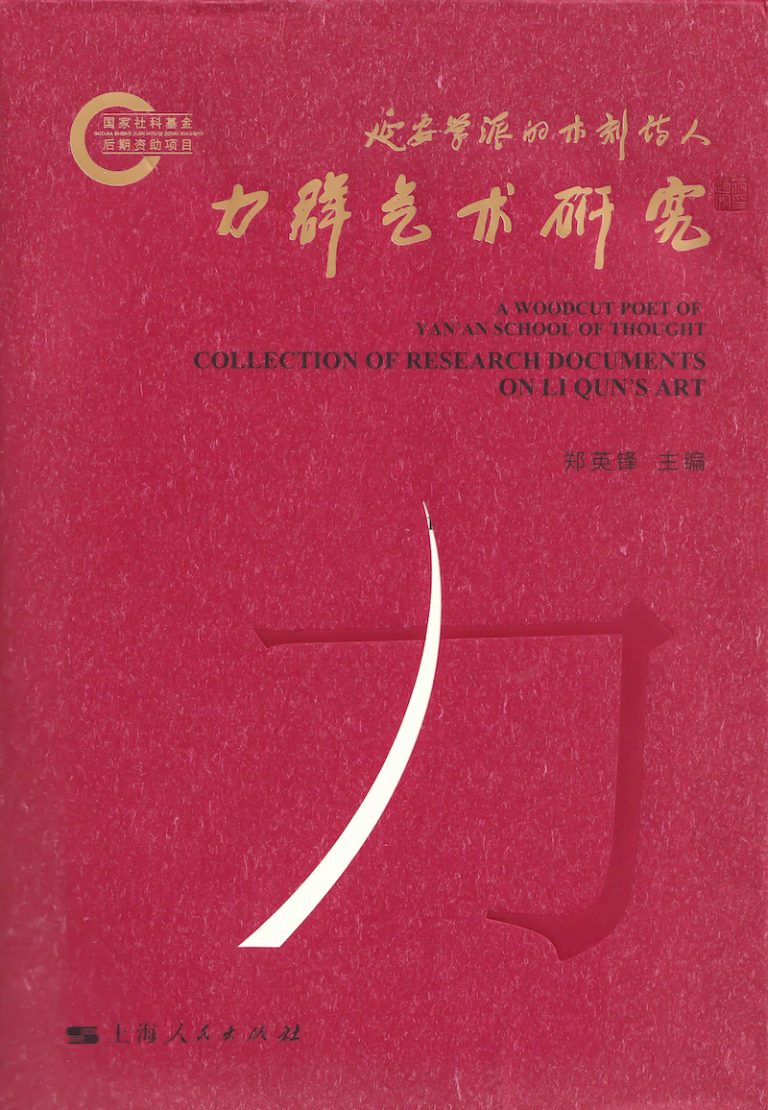
Selected Works of Li Qun’s Woodcut Prints

The text discusses an art exhibition held by Comrade Li Qun in Beijing’s Beihai Park, showcasing 26 pieces of his work, mostly new except for those from 1941. Despite facing challenges during various political movements over 39 years, Li Qun’s diligence shines through in his diverse and vibrant artworks. His

Read More »

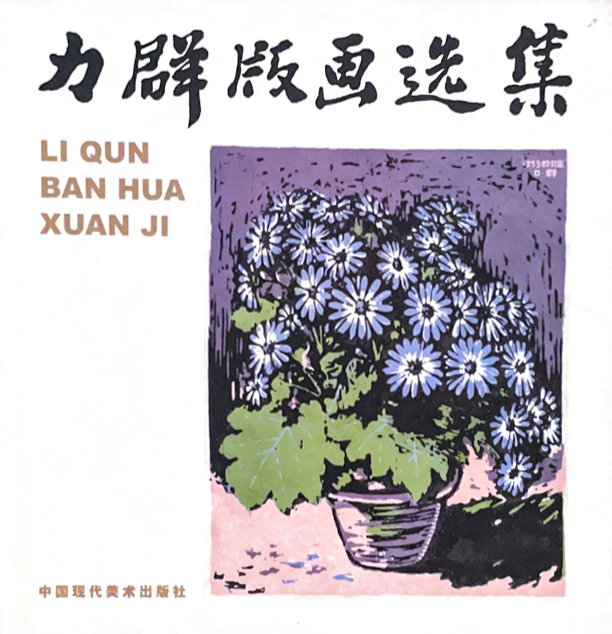
Compilation of Li Qun’s Woodcut Prints

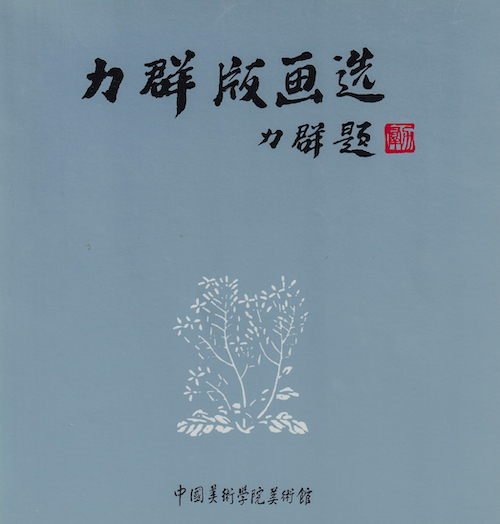
Li Qun, a native of Lingshi, Shanxi is a prominent figure in the realms of Chinese woodcuts and literary criticism. His artistic journey began at the National Hangzhou Art College (now the China Academy of Art) in 1931, a time when the influence of Lu Xun spurred a flourishing interest

Read More »

Li Qun Chinese Painting Collection

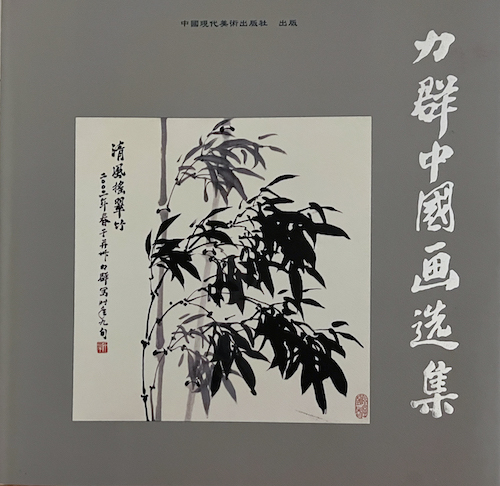
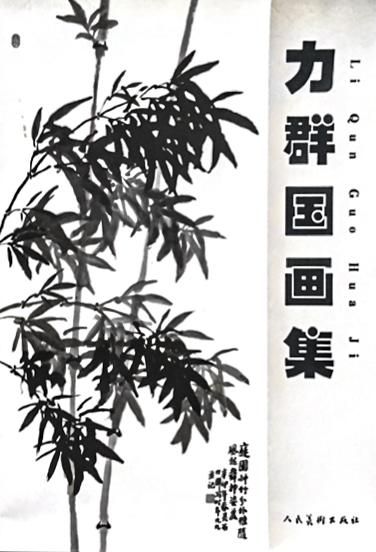
Li Qun, influenced by masters like Pan Tianshou and Li Kuchan, honed his Chinese painting skills at the National Hangzhou Art College. Combining this foundation with decades of printmaking experience, he crafts captivating works exhibited worldwide. His paintings, infused with spirit and form, resonate deeply, offering viewers a harmonious blend

Read More »

Land and People Prints by Li Qun in 70 Years

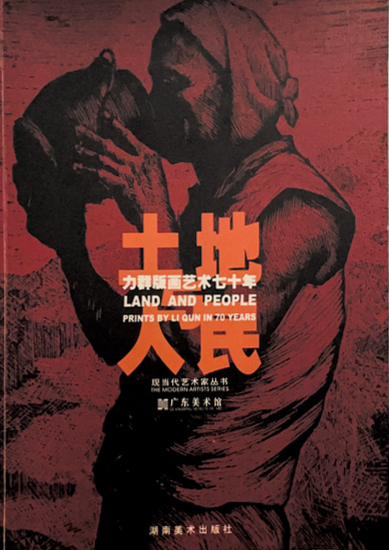
Li Qun emerges as a key figure, serving both as a witness and participant in the emerging art movement. Despite facing personal and societal challenges, Li Qun’s early works reflect influences from artists like Bouguereau and Mucha, as well as Soviet realism. Teaching at the Lu Xun Academy of Arts

Read More »

National Art Museum of China Li Qun Selected Collection

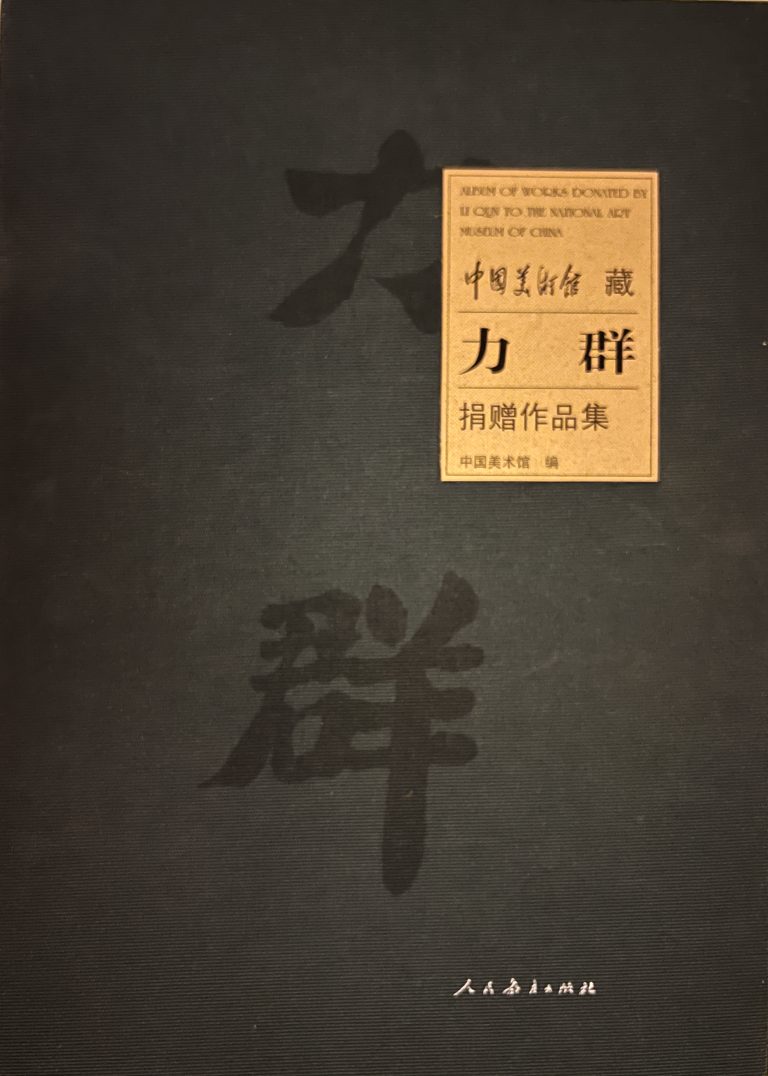
The “20th Century Special Incentive Scheme of National Art Collections and Donations” is a significant cultural initiative in China aimed at recognising artists’ contributions to 20th-century art. Started in 2004 under the Ministry of Culture’s leadership, it established the Shangguan Art Museum, praised by veteran artists who generously donated their

Read More »

Li Qun’s 100th Anniversary Chinese Painting Album

Titled “Li Qun’s 100-Year-Old Painting Collection,” this anthology celebrates the artist’s journey in Chinese painting, coinciding with his 99th birthday in December 2011. Tracing back to his education at the National Hangzhou Art College under revered mentors Pan Tianshou and Li Kutan, Li Qun initially pursued woodcarving. However, as age

Read More »

Li Qun Chinese Painting Collection

Mr. Li Qun, a respected figure in the Chinese art world, has been known nationwide for decades. Due to my love for art, I had the privilege of meeting him years ago. Despite the distance, our connection remained strong. In 2004, Mr. Li invited me to his solo exhibition, showcasing

Read More »

Li Qun Woodcuts Art Collection

A collection of works donated to the Taiyuan Art Museum with the support of Li Qun’s family. The Li Qun Woodcuts Art Museum serves as a hub for collecting, preserving, and promoting his legacy. Located in Exhibition Hall 7 on the third floor of the Taiyuan Art Museum, the museum

Read More »

Li Qun Sketch Collection

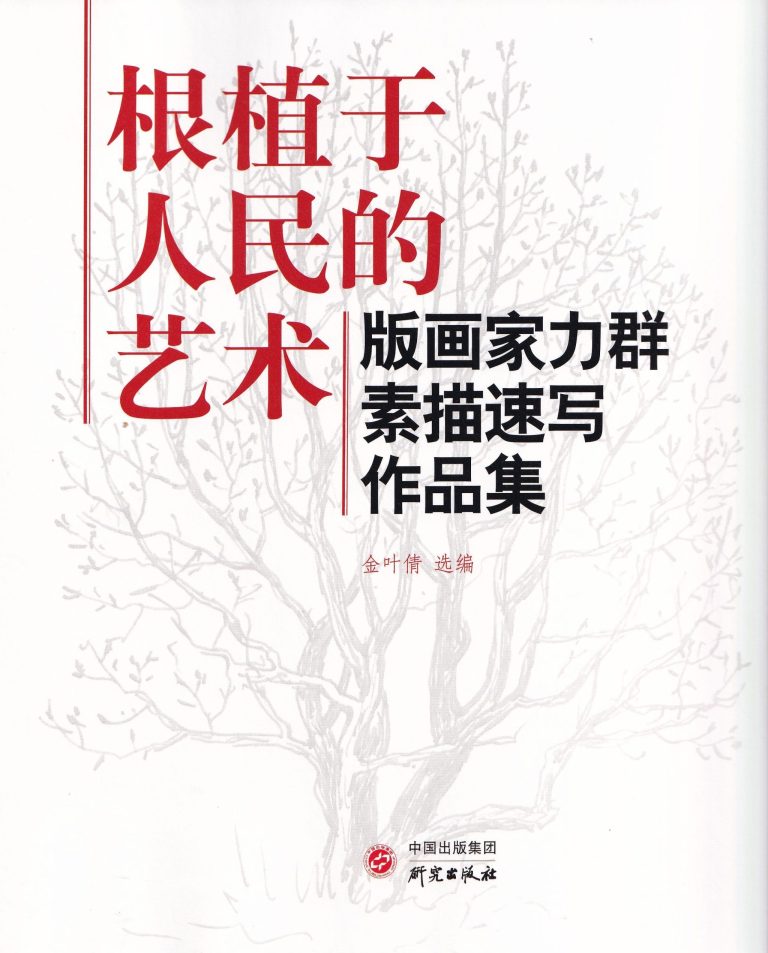
Mr. Li Qun, renowned for his woodcuts printmaking, left behind a collection of sketches that offer profound insights into his artistic journey. These sketches, discovered after his passing, span various subjects and scenes, reflecting the artist’s emotions and serving as source material. Despite their simplicity, they resonate deeply with viewers.

Read More »

A comprehensive exploration of Li Qun Woodcuts spanning a remarkable 100-year chronicle that meticulously documents the life and career of this esteemed artist.

Gain insight into key events that shaped Li Qun’s trajectory, from his formative years in early 20th-century China to his influential presence in contemporary art. Discover the evolution of Li Qun’s craft as it intersects with major historical milestones, such as China’s Japanese invasion, Cultural Revolution and the modernisation era.

This chronicle provides a factual and detailed account of Li Qun’s  journey, offering a unique lens into the socio-political landscape that has shaped both Li Qun and his iconic woodcut creations. Delve into the specifics of his chronicles to uncover the factual intricacies of a century-long artistic legacy.

We offer a range of services from sourcing Li Qun’s art for purchase, but more importantly documenting artworks in public collections globally.

If you have Li Qun’s art work, we would like to keep a record of your collection. this is to help the future validations of Li Qun’s art work.   

We are committed to facilitating a comprehensive understanding of Li Qun’s artistic legacy. While our services do not include artwork verification, we do have established contacts that may assist in this regard, subject to potential costs. 

This website is managed by Li Qun’s family to preserve his legacy, and to connect with curators, historians, collectors, artists, fans and admires across the globe.

contact@liqunwoodcuts.org