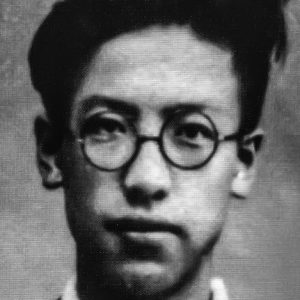
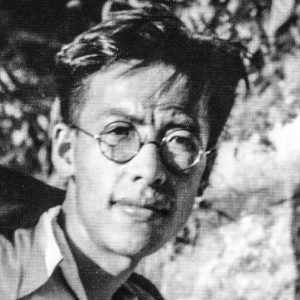
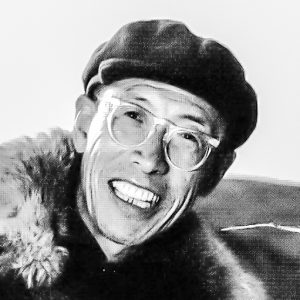
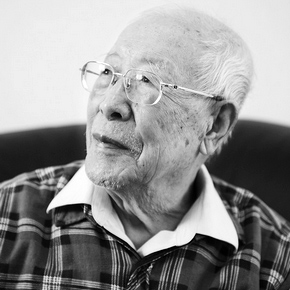
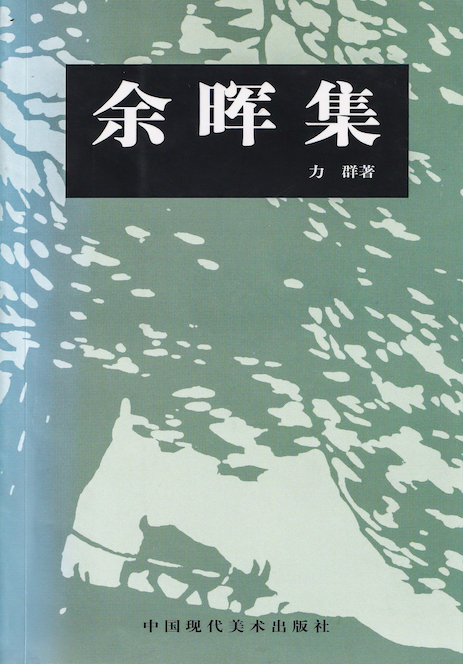
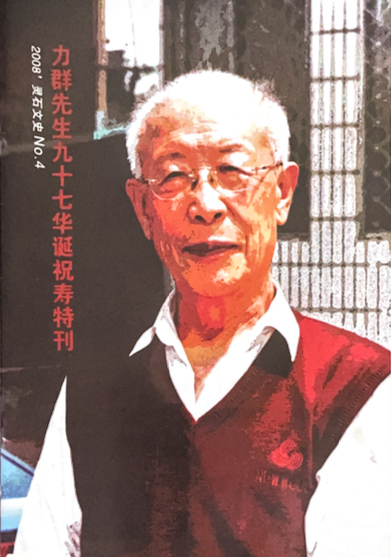
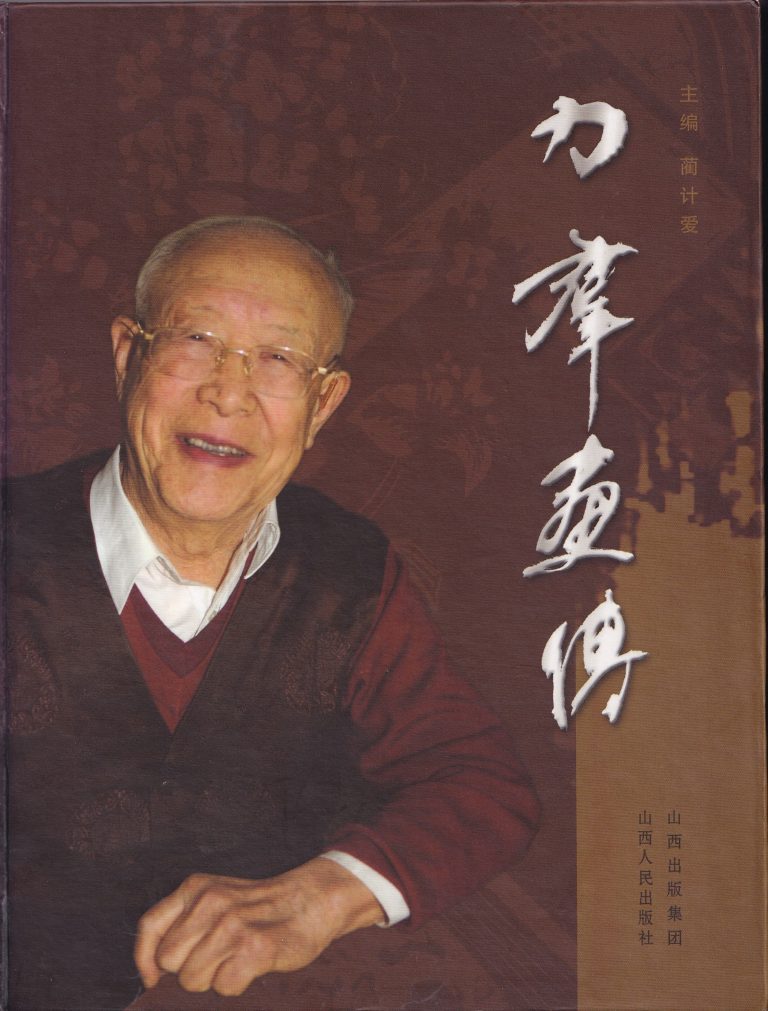
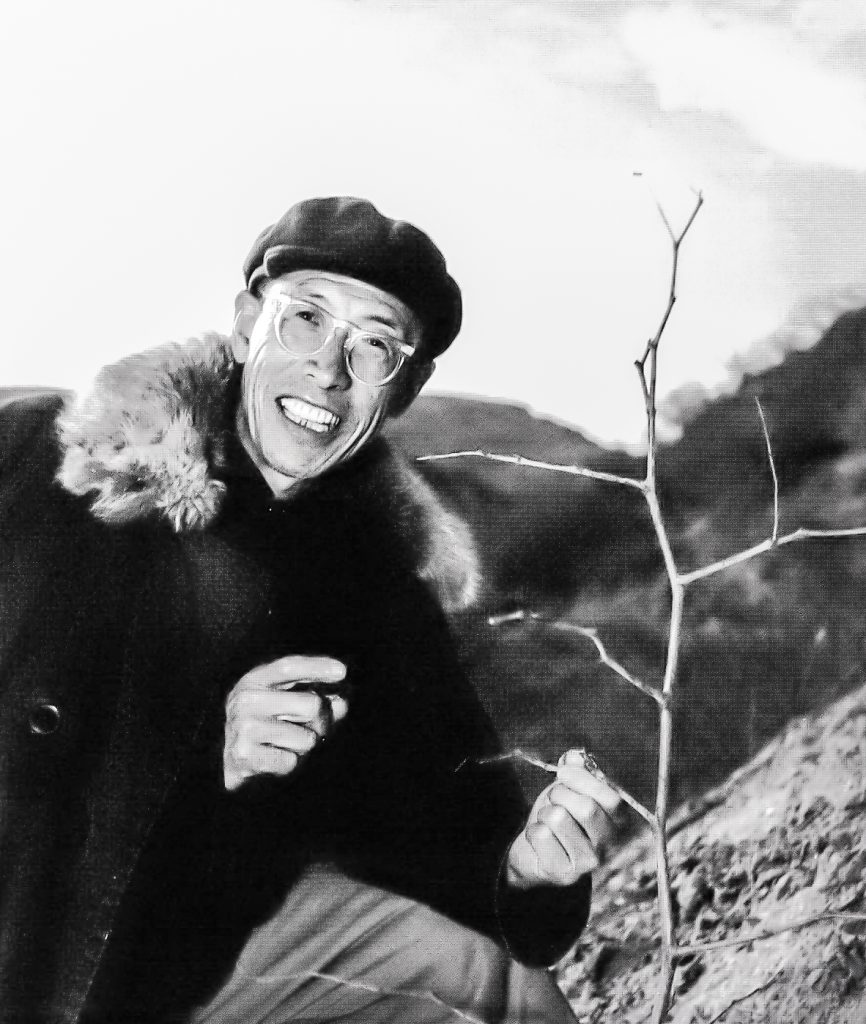
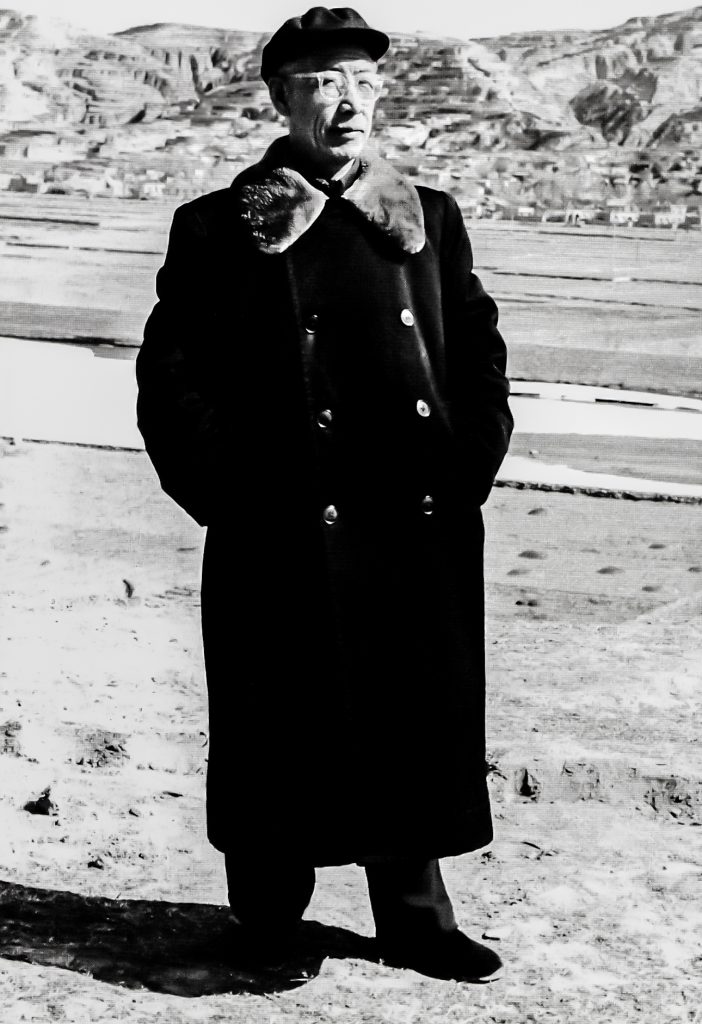
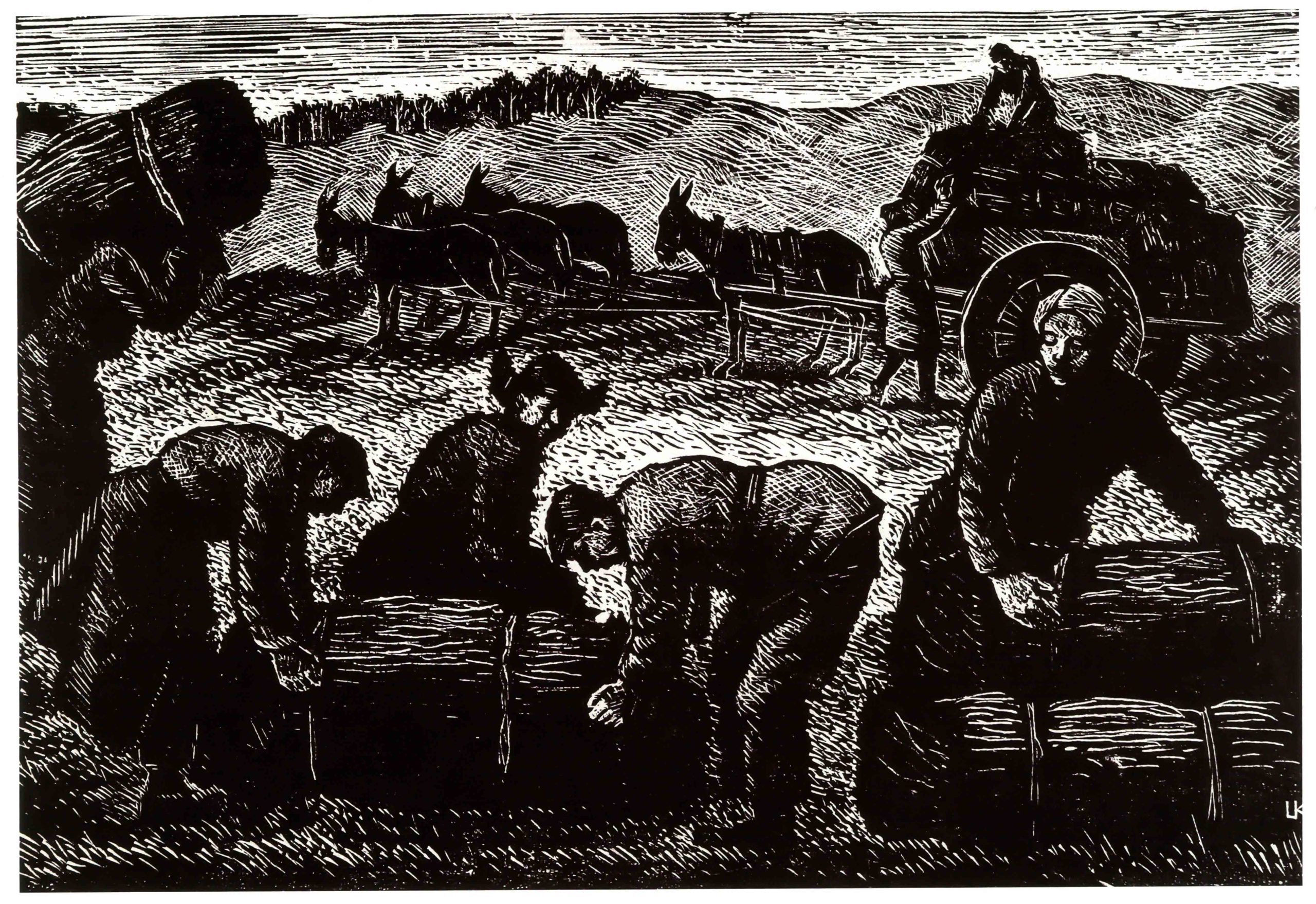
“Transporting Charcoal” a 1941 woodcut by Li Qun portrays civilian workers in China loading charcoal onto donkey carts, documenting the hardships of the time. The woodcut highlights the labour-intensive nature of charcoal production and transportation, emphasising manual labour and collective effort. Symbolically, it reflects themes of resilience and perseverance, shedding light on the challenges faced by workers in industries like charcoal production. The use of donkey carts underscores reliance on traditional transportation methods, revealing the lack of modern infrastructure. Overall, “Transporting Charcoal” serves as a testament to the resilience of civilian workers, offering insight into the realities of life in China during the 1940s.

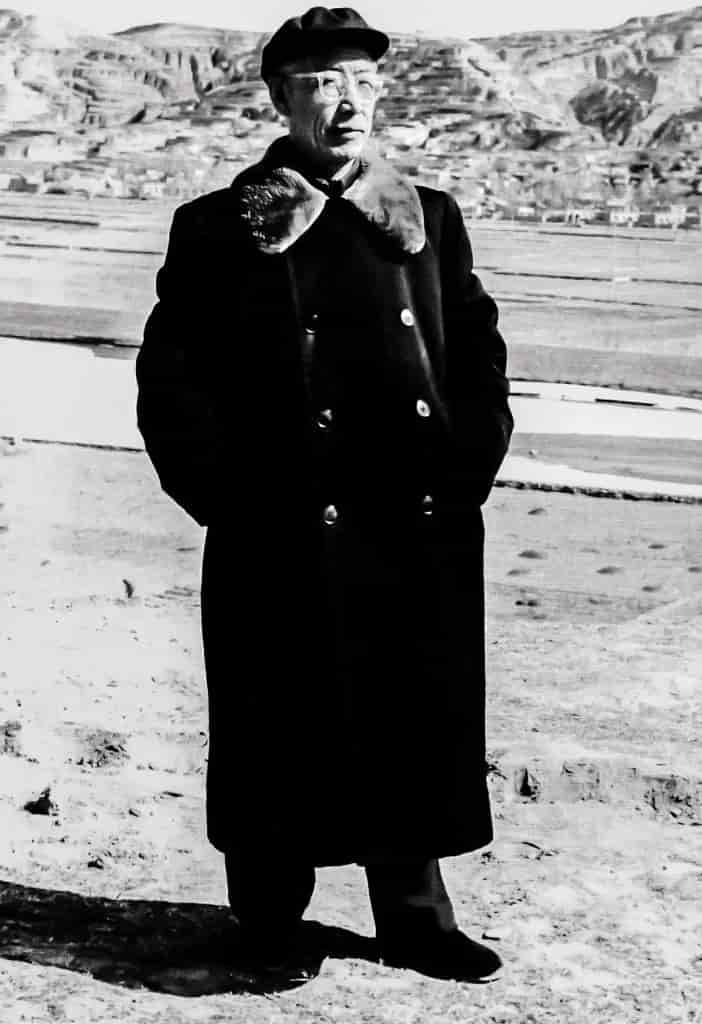

Childhood 1912-1930
A village childhood Li Qun’s roots trace back to a quaint mountain village, an enclave characterised by a mere six courtyards and ten households in its nascent years. This hamlet, situated in Lingshi County, Shanxi Province, earned its identity as Hao Jia Zhang. Positioned to the east of Fenhe River,