Childhood 1912-1930
A village childhood Li Qun’s roots trace back to a quaint mountain village, an enclave characterised by a mere six
Determining precisely when Li Qun entered old age proves challenging, given the considerable gap between his vitality and chronological age. As mentioned earlier, even in his 70s during the reform and opening up era, he exhibited a spirit that belied his years. Approaching 80, on the cusp of the new century, he remained vibrant, ceaselessly engaged in writing, painting, and consistently achieving notable results.
On December 25, 1991, the Lingshi County Party Committee, county government, and Shanxi Literary and Art Circles Federation convened a celebration for “Li Qun’s 60th Anniversary of Artistic Career and 80th Birthday” at the “Lingshi Office” in Taiyuan, adhering to the age-counting customs of his hometown. In November 1992, the Chinese Artists Association, Shanxi Federation of Literary and Art Circles, and Shanxi Artists Association jointly organised the “Academic Symposium on Comrade Li Qun’s 60 Years of Art Creation and 80th Birthday Celebration” in Taiyuan. On December 25, 2002, the Lingshi County Party Committee, County Government, County People’s Congress, and County CPPCC extended congratulations to Li Qun on his 90th birthday at the Xiangmanlou Hotel in Chaoyang District, Beijing.
These recurring commemorations underscore the inexorable march of time and the inevitability of aging. Yet, they also serve as inspiration, emphasising the importance of one’s life’s motivation.
Despite growing older and contending with ailments, including hearing loss and the need for walking aids, Li Qun’s mental state retained an enduring enthusiasm. His passion for what he loved persisted, and he continued to pursue his interests with joy and pride, adapting to his circumstances. Li Qun undertook the re-editing and publication of “Selected Collection of Li Qun Woodcut Prints“, “Selected Collection of Li Qun Chinese Paintings” and the novel collection “The Story of Free Spirited Girls”. He compiled and published his own “Collection of Art and Literature Criticisms” and literary works “Collection of Sunset” and “Afterglow Collection”. Additionally, he gathered materials and edited and published “On Li Qun Literature and Art Collection” edited by others.
Simultaneously, he remained dedicated to the scrutiny of inscriptions, calligraphy, and paintings that captivated his attention. His unwavering standards and reputation, coupled with his spirit of constant self-improvement, earned him respect across the art world, literary circles, and society at large.
Whether residing in Taiyuan before turning 90 or after relocating to Beijing in 2001, Li Qun welcomed numerous visitors, both known and unknown, domestic and foreign, young and old. His warm reception extended beyond mere social niceties, resembling the warmth one would expect from a close relative. This period saw special interviews on CCTV’s “Everyone” program, dedicated pages in “Shanxi Daily” and his hometown of Lingshi County even establishing the “Li Qun Art Gallery” in the Wang Family Compound to provide a permanent home for his artistic legacy.
In ancient times, reaching one hundred years old was deemed an “expectation”. Yet, at 96, Li Qun continued ascending and descending stairs with the aid of a railing, immersed in contemplation about the ebb and flow of his life through avid reading. He maintained an interest in current affairs, perusing newspapers and watching television. Whether basking in the sun or navigating in his wheelchair, he would share reflections on his life, often contemplating both the ancient world and the challenges and possibilities of the present and future.
Li Qun’s later life unfolded peacefully and joyfully, akin to a sky adorned with red clouds. Each day was an opportunity to create—be it through painting or writing—an existence steadfastly refusing to embrace idleness. The phrase “can’t stay idle” remained his guiding principle, embodying a life marked by perpetual creativity.
On December 25, 1992, Li Qun‘s children and grandchildren converged at their family residence in Taiyuan from various locations to commemorate Li Qun‘s 80th birthday. The accompanying photograph captures the entire family gathered for a group picture on December 27.
(Left) In May 1994, Li Qun embarked on a visit to Hangzhou, his alma mater, the National Hangzhou Art College, now known as the China Academy of Art. Upon his return, he penned an article titled “Returning to Alma Mater after Eighty” subsequently published in the 8th issue of “Spark” in 1994. The provided image features a group photo taken during the visit, including Dean Xiao Feng (second from the right) and other individuals.
(Centre) On March 21, 1995, Li Qun enjoyed a day in Centennial Park. Sydney Australia.
(Right) A swimming session in the Gold Coast, Queensland Australia with his eldest son A Ming.
During the Third Member Congress of the China Woocuts Association held in Beidaihe on May 22, 1995, a group photo was taken. At this significant gathering, Li Qun was honoured with the title of honorary chairman following his election.
On February 23, 1995, during the exhibition of the “Li Qun Woodcuts Retrospective” in Sydney, Australia.
(Left) Mrs. Duan Jinkai, the Consul General of the Chinese Consulate in Sydney. (Right) Li Qun, along with his second daughter A Hong’s family, traveled to Beijing.
1995 SBS Australia Dateline report on Li Qun.
(Left) Li Qun posed for a photograph with Han Meilin on the right, during a visit to the “Han Meilin Art Exhibition” at the National Art Museum of China, accompanied by his eldest daughter A Li. (Right) On November 2, 2002, Li Qun, accompanied by his third son A Qiang and daughter-in-law Jin Yeqian, visited Wang Shikuo’s wife Wu Xian second from the right.
On December 25, 2002, Li Qun gathered for a group photo with his family and some friends in Beijing to celebrate his 90th birthday. In the front row from the right: Hou Kai, Yan Han, Li Qun, Ding Jingwen, Wang Qi, Yu Feng, and others.
(Left) On August 5, 1998, at the age of 86, Li Qun revisited Haojiazhang accompanied by his daughter-in-law, who had returned from Sichuan, and his grandson, who was under 10 years old. This visit served to acquaint the little grandson with the “roots” of this place or perhaps reflected the subconscious yearning for a return to one’s origins in old age. He meticulously explored the village, its surroundings, old and new homes, and rooftops, immersing himself in childhood memories, contemplating the vicissitudes of life, feeling a sense of nostalgia, and reflecting on the journey of life. The scorching sun beat down on that extremely hot day after the rain. Accompanied by several friends from the literary, artistic, and journalistic circles in his hometown, Li Qun engaged in conversations that unveiled the origins of many of his prints and literary works, including “The Story of the Wild Girl” and “My Paradise” conceived in this very village.
(Centre) A photo of Lan Ping was taken in the Wang Family Compound on August 4, 1998.
(Right) The familiar yet unfamiliar landscape, tinged with nostalgia and emotion, made Li Qun feel that he couldn’t get enough of his hometown. A humorous comment from the “Dream” publication, praising the Wang Family Compound as a “contemporary grand view garden” added a touch of amusement to the day. After visiting the Qing Dynasty‘s grand residential building, the Wang Family Compound, Li Qun took a well-deserved rest and engaged in fruitful discussions. These casual remarks often intertwined with the threads of “Bai Xue” and the “Lower Riba People” reflecting on the fate of the People’s Republic of China, the country, and paying attention to the worlds of painting and literature. In this moment of relaxation within the old world, Li Qun found joy.
(Left) In 1998, Li Qun shared a moment with renowned artist Huang Yongyu. (Centre) Li Qun was captured in a photograph alongside Ding Shaoguang (right) and Pei Yulin (left) during an engagement in Taiyuan in June 1999. (Right) On April 2, 2004, despite being in a wheelchair, Li Qun attended Huang Yongyu’s painting exhibition at the National Museum. In a candid moment, a group photo was taken, featuring Huang Yongyu in the back row, first from the left, and Wang Qi‘s wife Wei Xian second from the left.
(Left) During another significant event on March 30, 2004, Zhang Ding, an esteemed painter and former president of the Academy of Arts and Crafts, captured a memorable group photo during his visit to Li Qun’s exhibition at the National Art Museum of China.
(Centre) The “Fat Art Exhibition” showcased Li Qun’s works on March 29, 2004, at the National Art Museum of China. Comrade Shen Weichen, then a member of the Standing Committee of the Shanxi Provincial Committee of the Communist Party of China and Minister of Propaganda, joined Li Qun in appreciation.
(Right) Li Qun, accompanied by his daughter Alan (right) and daughter-in-law Jin Yeqian (left), standing in front of the exhibition hall, showcasing a moment of pride and artistic connection.


(Left) In 2004, the China Academy of Art, formerly known as the National Hangzhou Art College, marked its 70th anniversary. Li Qun joyfully returned to his alma mater to partake in the commemorative activities. On September 29, the image captured him perusing the “Kusu Wood Carving Collection” from that significant year in the academy’s art gallery. The echoes of events that transpired 70 years ago still resonate deeply within his heart, encompassing enthusiasm, passion, pride, bitterness, reflections, lamentations, sighs – all of which have been etched in the long river of history.
(Right) On September 27, 2004, Li Qun revisited his alma mater, the China Academy of Art, and held an exhibition. During his visit, he paid respects at the tomb of his late classmate, Ms. Xia Peng, located at No. 35 Lianhua Mountain. Ms. Xia Peng tragically passed away in a Kuomintang Nationalists prison before 1949.
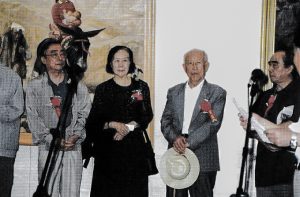
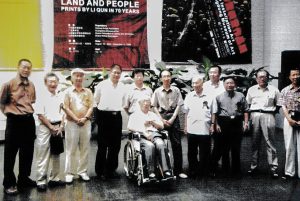
(Left) The following day, on September 28, 2004, Li Qun’s woodcuts and prints exhibition unfolded at the China Academy of Art, showcasing 60 remarkable works. The accompanying image captures the scene of the opening ceremony, where Li Qun, in his wheelchair, graced the event.
(Right) Passion and poetic expression permeated Li Qun’s inscription for the China Academy of Art Museum on September 28, 2004: “I hope that Chinese woodcuts can inherit the revolutionary art tradition guided by Mr. Lu Xun. Although times have changed, art will always remain unchanged in life”.
(Left) On July 15, 2005, members of the new team from the Woodcuts Art Committee of the China Artists Association paid a visit to Li Qun’s home. Noteworthy figures in the photo include Zheng Zuoliang, Guang Jun, and Li Qun, among others.
(Centre) On September 2, 2005, the National Art Museum of China hosted the “International Art Exhibition to Commemorate the 60th Anniversary of the Victory of the Anti-Fascist War”. The accompanying image captures the opening ceremony, featuring notable individuals such as Li Tieying (third from the left), Hua Junwu (sixth from the left), Li Qun (eighth from the left), Wang Qi (ninth from the left), Zhang Ding (first from the right), and others.
(Right) On May 17, 2006, Li Qun was interviewed by the CCTV for the program “Everyone”. The image portrays the host Xiangdong on the right.
Li Qun interviewed by the China Central Television Broadcasting in 2006
The essence of beauty is found in discovery, and the core of art lies in creation. The ever-shifting twilight in the sky might appear ordinary to most; even if some notice its uniqueness and are intrigued, they might not document and refine the experience. However, for an artist like Li Qun, aged eighty, a chance encounter with such a scene on a train journey from Beijing to Taiyuan in 1992 sparked a profound connection. Promptly upon his return, he commenced the drafting process, seamlessly merging subjectivity and objectivity. The result: “Twilight“.
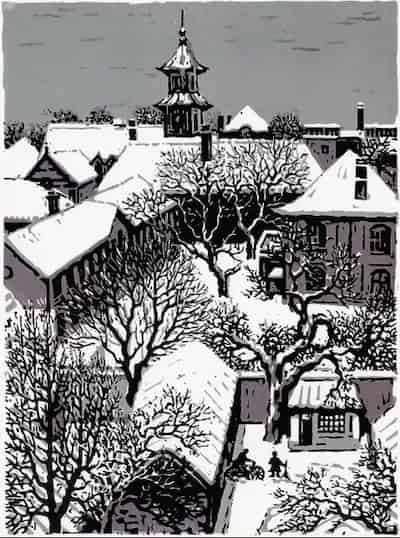
At approximately 90 years of age, Li Qun encounters challenges in venturing out for sketches and managing woodcut operations. However, driven by his enduring love for life and rooted professional habits, he continues to create artworks sporadically. These creations are either derived from memory and imagination or are based on sketches from the past. Each plant and tree in his works resonates with the brilliance of life. As the saying goes, every breath signifies enduring vitality, and the act of creation persists. Noteworthy among his later works, alongside “Flowers on the Yellow River” and “Twilight” are his representative pieces such as woodcuts featuring “Rose“, “Winter Branches“, “Pine Forest” and “Lilacs” along with a substantial collection of traditional Chinese paintings. Of special note are the yin and yang interplay in “Rose” and the captivating colour palette employed in “Winter Branches”.
In my youth, there was a vague yearning for the Mother River; as an adult, the strains of the “Yellow River Cantata” frequently echoed in my ears; throughout the revolutionary journey, I traversed the landscapes on both banks of the Yellow River. Following the Japanese surrender in 1945, I crossed the Yellow River and arrived at Jinsui. During another crossing of the Yellow River, I reached the opposite bank at Qikou in Linxian County, Qianshan Mountain. Subsequently, I sketched scenes from Qikou. In 2003, Li Qun transformed those sketches into “Family of the Yellow River” representing a form of emotional sustenance for his lifelong connection to the Yellow River. The painting, adorned with apricot blossoms and brimming with the essence of spring, encapsulates both his state of mind and his aspirations. To accomplish such a creation at the age of 91 during the era of reform and opening up is a testament to Li Qun‘s profound artistic depth, making it challenging for us to fully grasp the implications of this work.
2005 Personalised stamps featuring selected works by Li Qun.
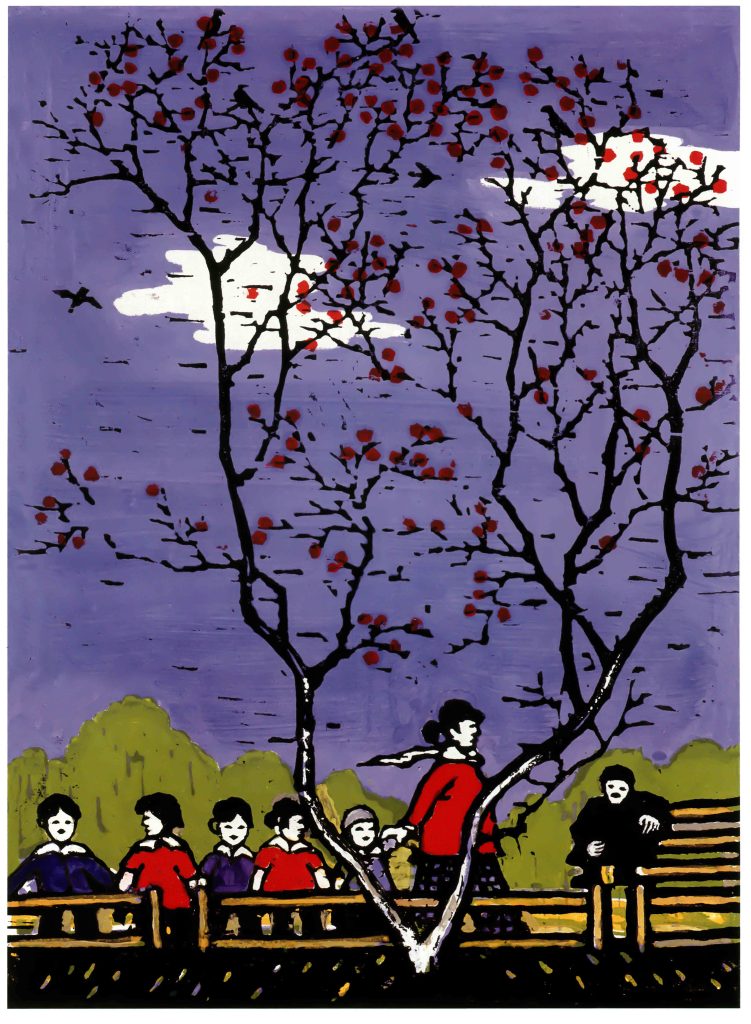
“Spring” was crafted in 2008 at the age of 96. The beauty of spring is perpetual. Whether it’s the natural awakening, the rejuvenation of the motherland, the vitality of life, or the flourishing of a career, Li Qun’s heart is filled with beautiful yearnings and memories of spring.
In 2008, at the remarkable age of 96, Li Qun brought forth the enchanting masterpiece, “Spring”. A canvas adorned with a blue sky, fluffy white clouds, and vibrant new blossoms. Birds serenade the heavens, while the earth teems with life. A group of joyous children, accompanied by an elderly figure seated on a bench, paints a delightful picture of the Republic’s promising future. Observing this artwork, one cannot help but share in the optimistic spirit of the elderly gentleman.
Li Qun’s immortality is encapsulated within his inner world, where the scenery of a bright spring is forever etched.
(Left) On September 29, 2005, during the grand opening of the Li Qun Art Museum, Li Qun posed for a group photograph alongside Mr. Zhang Weiqin, the visionary investor and dedicated builder of the Li Qun Art Museum, a notable figure in the agricultural entrepreneurship sector.
(Centre) At the age of 93, Li Qun delivered a heartfelt speech at the inauguration of the Li Qun Art Museum. Noteworthy attendees included the esteemed writer Hu Zheng (pictured on the left), and Hao Qiang, the third son of Li Qun (second from the left). In the front row, third from the right, was Nima Zeren, Vice Chairman of the China Federation of Literary and Art Circles.
(Right) The Li Qun Art Museum officially opened its doors on September 29, 2005, marking a significant milestone in the celebration of art. The image captures the poignant moments of the opening ceremony.
(Left) Ribbon-cutting ceremony of Li Qun Art Museum in the Wang Family Compound. (Centre) Unveiling ceremony of Li Qun bronze statue. (Right) At the opening ceremony of Li Qun Art Museum, Nima Zeren, Vice Chairman of China Federation of Literary and Art Circles, delivered a speech.
For each of the three daily repasts, Li Qun autonomously descends the stairs, settling himself at the dining table. Meticulously, his children ensure his attire for the meal, and he initiates his dining experience with a sense of self-sufficiency. His meals are meticulously and scientifically curated, presenting a diverse menu. Devoid of excess or culinary partiality, he upholds a disciplined and balanced approach to his dining routine.
(Left) Every day, both before and after noon, whether in the comfort of the living room or the serenity of the bedroom, I would recline and immerse myself in books, newspapers, magazines, or peruse letters from friends, staying attuned to the world beyond.
(Centre) During the 2008 Beijing Olympics, the 96-year-old Li Qun was a frequent spectator, often seated or lying in front of the television, avidly following various events. His gaze lingered, particularly on the iconic “Bird’s Nest” structure, as if contemplatively pondering something deep within. In 2001, at the age of 89, he had expressed his heartfelt longing for the year 2008 and the Beijing Olympics in an article titled “I Can Die in Peace”. His wish was fulfilled and witnessing the spectacular “Shenqi” flag raising performance filled him with joy.
(Right) In July 2009, Shen Peng and his wife captured a memorable moment during their visit to Li Qun’s residence. The group photo features Li Qun’s eldest son A Ming, Shen Peng, Li Qun, Mrs. Shen Peng, and Li Qun’s third son A Qiang.
After the year 2001, Li Qun established his home in Beijing, residing in a three-story building within the Xiangtang Village Cultural Community, Cuicun Township, Changping District. Here, he embraced his later years, sharing the abode with his third son, Hao Qiang, and daughter-in-law. The family, dedicated to fulfilling Li Qun‘s desires, adorned the entrance and courtyard with vibrant flowers and lush greenery, creating a picturesque and serene setting.
These captivating images were skillfully captured by Zhang Yingkang, showcasing the brilliance of the sunset and Li Xue’s enjoyment of the moment. Despite publicly declaring a hiatus from writing, Li Qun continues to wield the pen during artistic endeavors, expressing his emotions or jotting down thoughts when inspired. Throughout his lifetime, one of Li Qun‘s cherished companions has been the “hairy squirrel” (squirrel), featured in his paintings and designs. Even at the age of 96, he finds joy in keeping one as a pet and engaging with it during leisure moments.
On December 25, 2008, marking the auspicious occasion of Li Qun‘s 96th birthday, the entire family gathered for a group photograph.
Joining the celebration of Li Qun’s 96th birthday, leaders from the Lingshi County Committee, County Government, County People’s Congress, and County Political Consultative Conference in Shanxi Province, along with Li Qun‘s relatives and friends, extended warm congratulations on this significant milestone.
Li Qun’s positions held in 2011
Li Qun one of the pioneers of the Chinese woodcuts movement, and founders of the burgeoning Chinese woodcuts industry in the 20th century, Honorary Chairman of the Chinese Association of Woodcut Printmakers and Honorary Chairman of Literary Federation of Shanxi Province, passed away peacefully at the age of 100, in Beijing on February 10th, 2012.
A village childhood Li Qun’s roots trace back to a quaint mountain village, an enclave characterised by a mere six
A fervent and spirited young man, deeply moved by the news of the “September 18th” incident, found himself compelled to
Following the Marco Polo Bridge Incident on July 7th, a significant event unfolded in Shanghai known as the “August 13th”
In Li Qun’s contemplation, Yan’an had long been the revered sanctuary he ardently sought. Communist Party members and numerous progressives
In August 1945, following the Japanese surrender, Liqun bid farewell to Yan’an, where he had dedicated six years of work
Following the inaugural national literary congress, Li Qun adhered to Comrade Zhou Yang’s directives and returned to Shanxi to collaboratively
During the tumultuous period of the “Cultural Revolution,” Li Qun, like many writers and artists, faced severe hardships and endured
With the demise of the “Gang of Four,” a wave of joy swept across China. Li Qun, like countless others,
Determining precisely when Li Qun entered old age proves challenging, given the considerable gap between his vitality and chronological age.
In memory of Li Qun (1912-2012)
Our mission is to safeguard and champion Li Qun’s artistic legacy and literature for the benefit of future generations. This digital memorial stands as a tribute to Li Qun’s lifetime of artistic brilliance.
Our pledge is to meticulously document and categorise every piece of art created by Li Qun, creating a comprehensive resource for enthusiasts and scholars alike. Furthermore, we are committed to preserving his gallery, the Li Qun Art Gallery, and promoting Lingshi county, Taiyuan city and Shanxi province.
Delve into our extensive online catalogue, uncover the curated locations of Li Qun’s art, or visit the Li Qun Art Gallery located in the culturally rich Wang Jia Da Yuan. Set against the backdrop of the heritage-listed Wang’s Family Compound, a Qing Dynasty mansion, the gallery seamlessly blends art and tradition.
Explore the profound impact of Li Qun’s artistic journey, through both the visual realm and the literary dimensions of his work.

A village childhood Li Qun’s roots trace back to a quaint mountain village, an enclave characterised by a mere six courtyards and ten households in its nascent years. This hamlet, situated in Lingshi County, Shanxi Province, earned its identity as Hao Jia Zhang. Positioned to the east of Fenhe River,
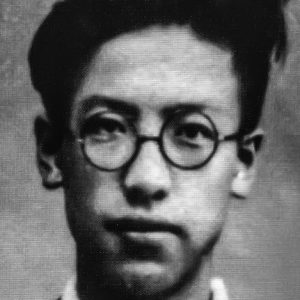
A fervent and spirited young man, deeply moved by the news of the “September 18th” incident, found himself compelled to resist the aggressive incursions of Japanese imperialism on Chinese soil. Unwilling to acquiesce to a policy of non-resistance before aggressors or to tolerate any actions undermining national prestige, the young
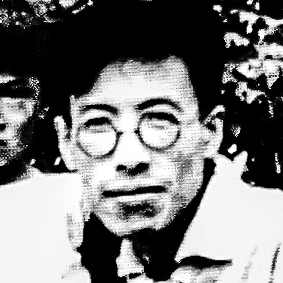
Following the Marco Polo Bridge Incident on July 7th, a significant event unfolded in Shanghai known as the “August 13th” Anti-Japanese War. It marked a critical juncture for the Chinese nation, prompting a collective response from those unwilling to endure subjugation. The call to action resonated with the spirit of
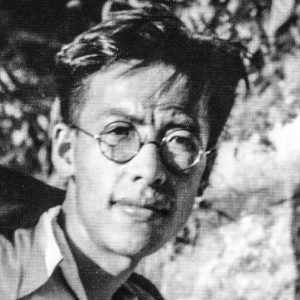
In Li Qun’s contemplation, Yan’an had long been the revered sanctuary he ardently sought. Communist Party members and numerous progressives within the “Wuhan Third Office” had already developed a certain level of “Yan’an Fever”. Although Li Qun was not yet a Communist Party member at that time, Guang Weiran had
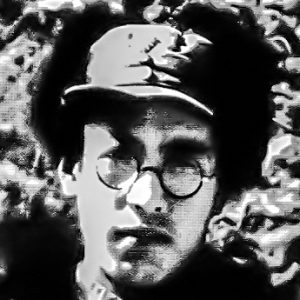
In August 1945, following the Japanese surrender, Liqun bid farewell to Yan’an, where he had dedicated six years of work and life. He arrived in Xingxian County, Shanxi Province, which served as the political and cultural hub of the Shanxi-Suiyuan Border Region. There, he assumed the role of chief editor
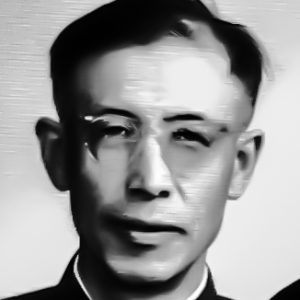
Following the inaugural national literary congress, Li Qun adhered to Comrade Zhou Yang’s directives and returned to Shanxi to collaboratively establish the Shanxi Federation of Literary and Art Circles with Comrade Gao Muhong. In December 1949, the first literary congress of Shanxi Province was successfully convened, electing Gao Muhong as
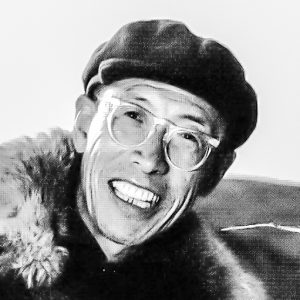
During the tumultuous period of the “Cultural Revolution,” Li Qun, like many writers and artists, faced severe hardships and endured humiliation. Initially transferred back to Shanxi in early 1966, the upheaval of the “Cultural Revolution” saw him forcefully returned to Beijing, labeled as part of the “gangster” team of “reactionary
With the demise of the “Gang of Four,” a wave of joy swept across China. Li Qun, like countless others, found himself advancing into a new chapter in the aftermath of the storm, standing beside the “sinking boat” and the “ailing tree” during a time of tremendous possibilities.
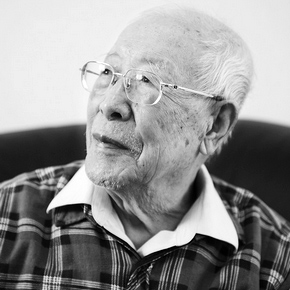
Determining precisely when Li Qun entered old age proves challenging, given the considerable gap between his vitality and chronological age. As mentioned earlier, even in his 70s during the reform and opening up era, he exhibited a spirit that belied his years. Approaching 80, on the cusp of the new
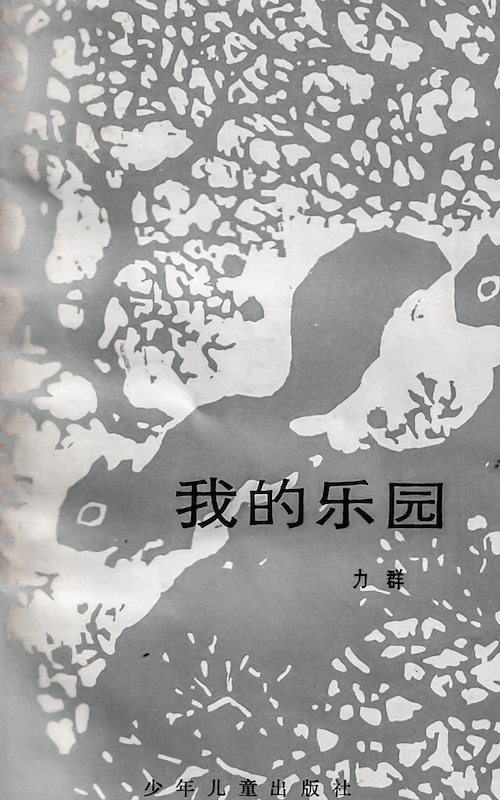
The pure and lively sensibilities of children, influenced by nature, the memorable and relatable people encountered during youth, and the longing of young minds for life and his emotional reflections. These themes permeate the work of the acclaimed woodcuts artist Li Qun. In this book, Li Qun skilfully intertwines literature
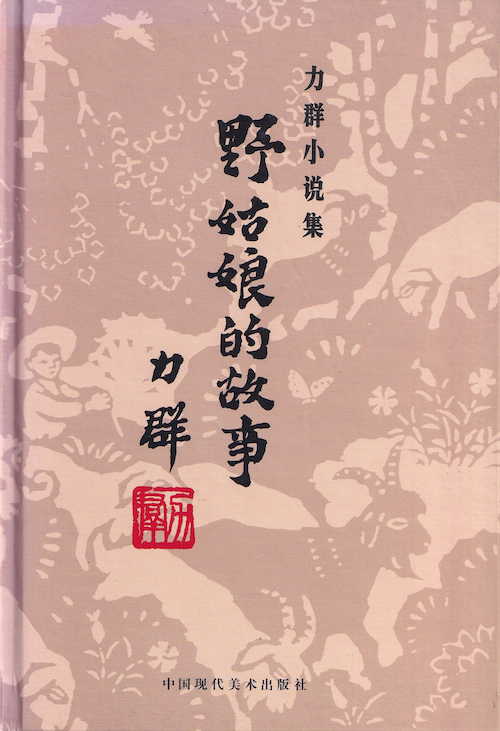
In the remote mountain village of Shanxi Province, Guilian grows up without her mother’s love, facing her father’s bitterness and the superstitions that label her unlucky. Despite harsh circumstances, she finds solace in nature and solitude. As she matures, Guilian’s resilience becomes her strength, defying her father’s attempts to sell
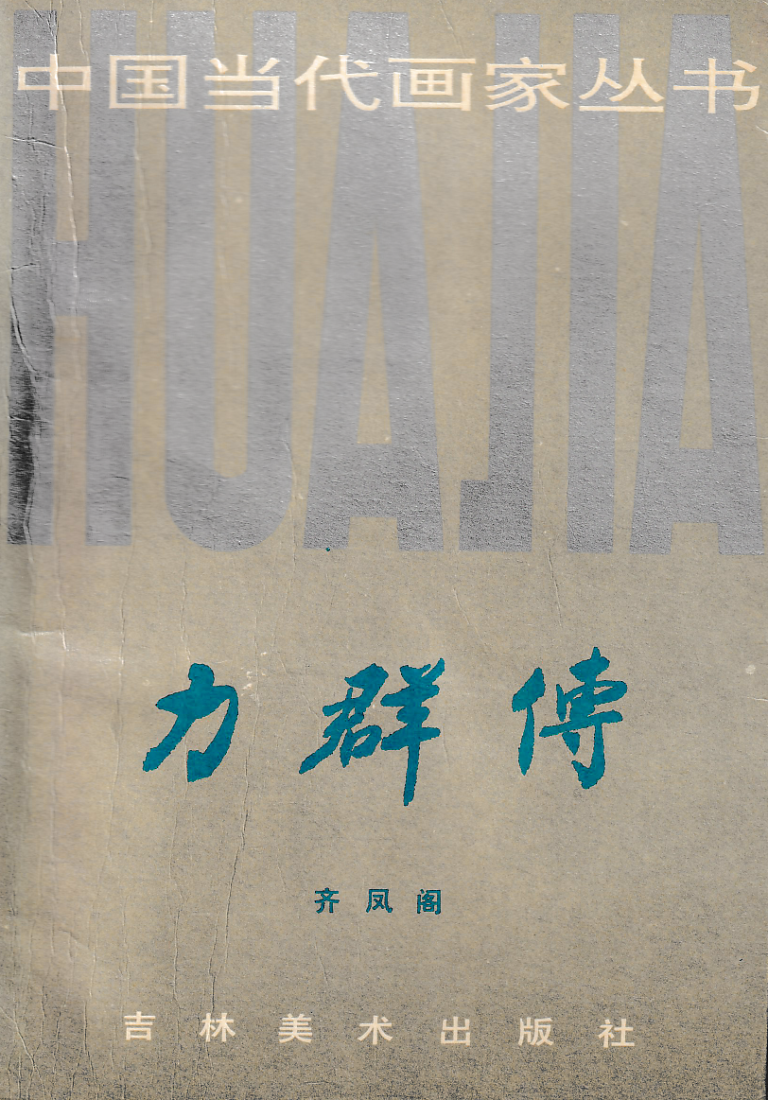
Li Qun the renowned woodcuts artist from Shanxi has weathered numerous challenges and remained committed to self-improvement, guided by unwavering beliefs and relentless determination. His journey from rural origins to urban landscapes, from the city to Yan’an, reflects his resilience and perseverance amidst life’s trials. This book not only chronicles

An autobiography penned by the renowned Chinese woodcuts artist Li Qun. Through a blend of documentary techniques, Li Qun vividly recounts the twists and turns of his career, tracing his creative journey and artistic evolution over the past century. This captivating autobiography immerses readers in the rich tapestry of historical
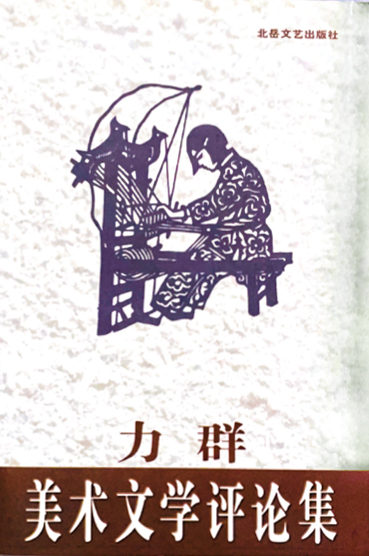
Li Qun renowned woodcuts artist who has been engaged in artistic creation for nearly 60 years. He persists in both printmaking and literary creation, and is also involved in Chinese painting. Additionally, he is a well-known art critic. His prints are characterised by their simplicity, clarity, and lyrical colours, reflecting
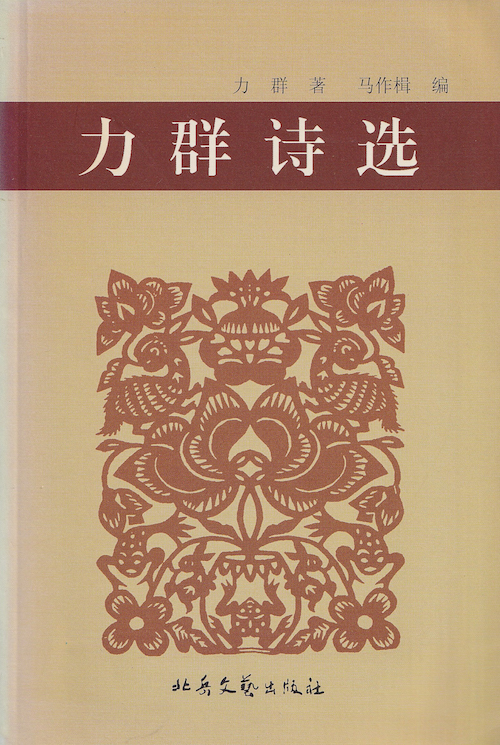
“Selected Poems of Li Qun,” compiled by the artist himself, finding its verses rich in sincerity, vivid imagery, and melodious rhythms. Divided into three volumes with a total of 88 poems, the collection showcases Li Qun’s deep emotions, artistic vision, and linguistic precision. Each poem resonates deeply, ranging from tranquil
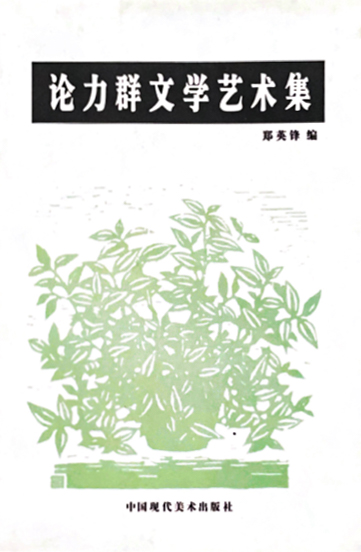
Li Qun, born on December 25, 1912, in Haogia Village, Shanxi Province, has been involved in art for nearly 60 years. He grew up in a rural environment, which greatly influenced his woodcut creations and writings. Li Qun studied at the National Hangzhou Art Specialized School and later joined the
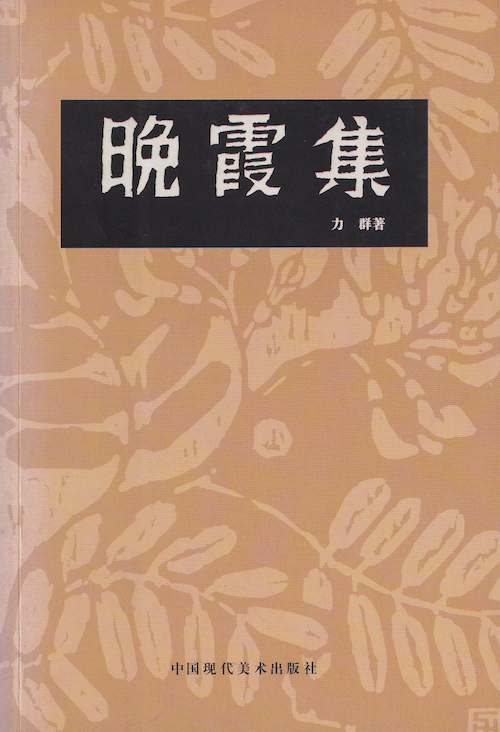
Li Qun, known primarily as a woodcuts artist showcases his literary talents alongside his passion for painting in an anthology spanning novels, essays, and critiques. The collection starts with “The Story of the Wild Girl,” a moving novel, followed by serene prose pieces like “My Paradise” and “Hua Orchid.” His
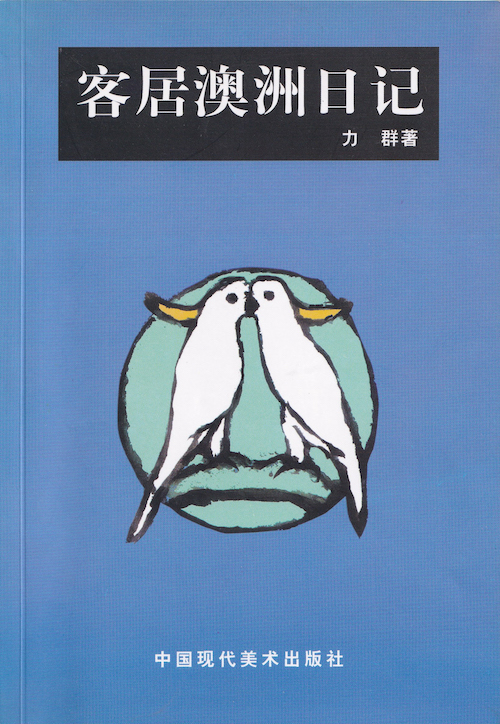
In December 1994, Li Qun embarked on a five-month journey to Australia, chronicling his experiences in “Diary of living in Australia.” Through daily entries, he contrasts the climate, environment, and cultural interests of Australia with the mainland. Sydney’s wildlife, especially the playful parrots, captivated him, as shared in his letter
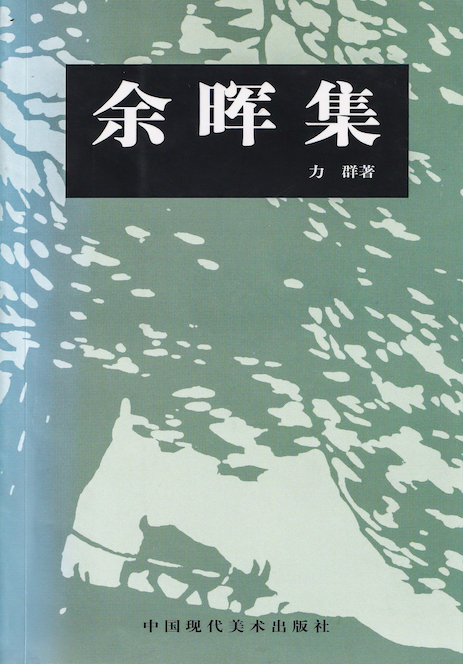
The “Afterglow Collection” signifies the culmination of Li Qun’s literary journey following the “Sunset Collection”. Within its 34 articles, each holds significance. Particularly noteworthy is “The Eternal Navigation Lighthouse,” detailing the “Yan’an Forum on Literature and Art” exploring its historical impact and contemporary interpretation. “My Creative Path” delves into personal
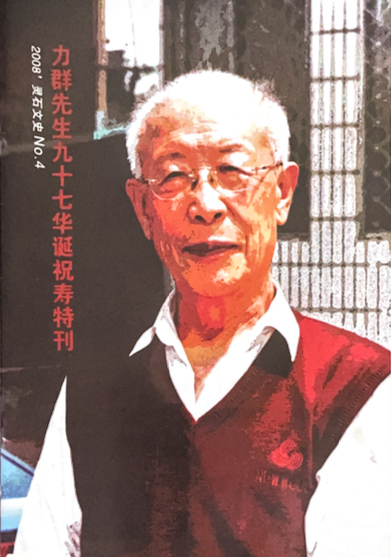
Congratulations – To Mr. Li Qun, a renowned Chinese printmaker, writer, literary critic, and local luminary. Respected Mr. Li Qun: Today marks your 97th birthday. First and foremost, please allow us, on behalf of the Ling Shi County Committee, Government, People’s Congress, Political Consultative Conference, and all 240,000 residents of
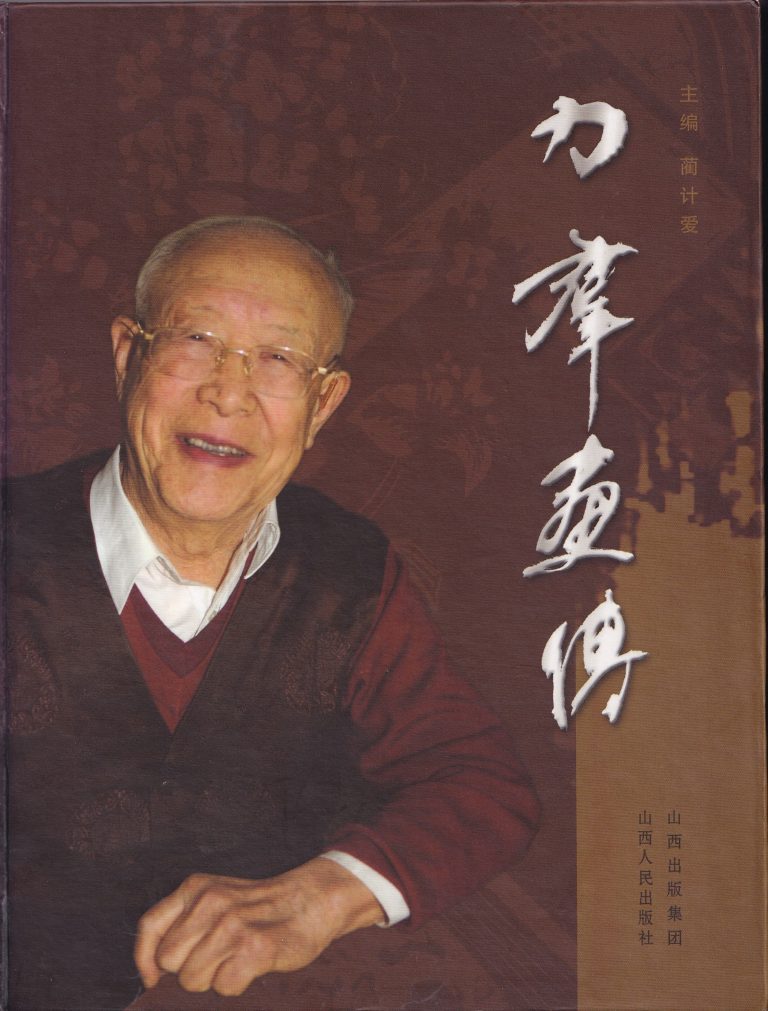
The forthcoming “Picture Biography of Li Qun” provides an in-depth look into the life and artistic journey of this revered figure. From his humble beginnings in Shanxi to becoming a pioneering force in China’s woodcuts and printmaking movement. Li Qun’s unwavering commitment to his craft endured personal and political challenges.
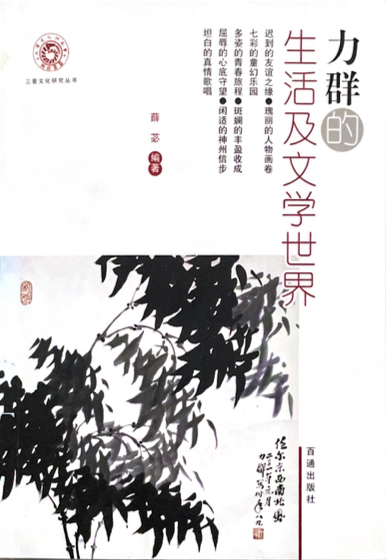
Li Qun, in my view, is a remarkable figure of his generation. Decades ago, I came across his woodblock prints in the “Jin Sui Daily,” and they truly captivated me. He had connections with the cultural giant of China, Mr. Lu Xun, as early as the 1930s. He was the
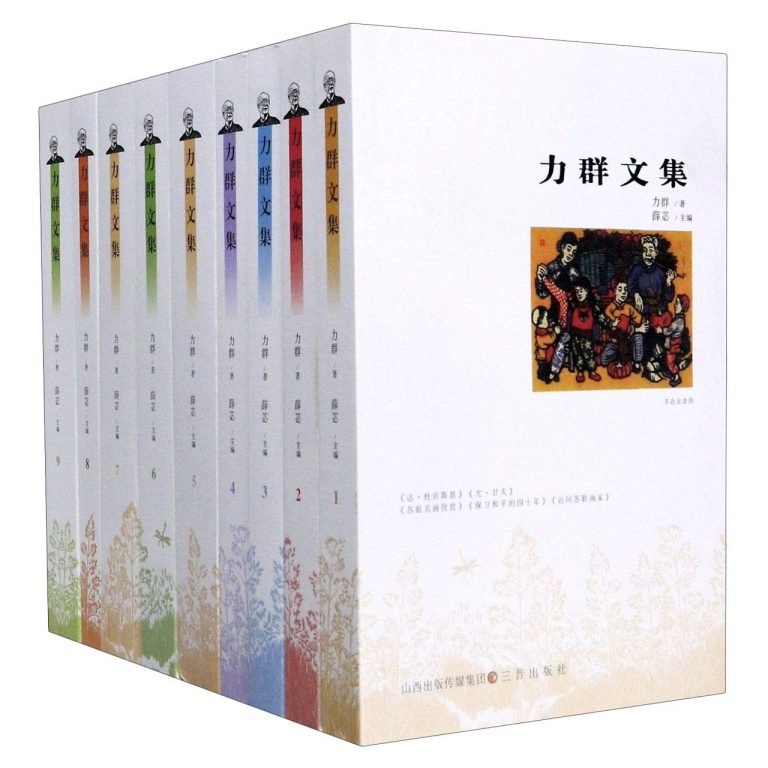
“The Complete Works of Li Qun” is a comprehensive nine-volume collection that showcases Mr. Li Qun’s dedication and creative accomplishments across various fields such as woodcut paintings, essays, novels, and literary critiques. Each volume stands as a complete entity, offering readers a glimpse into Mr. Li Qun’s artistic evolution from
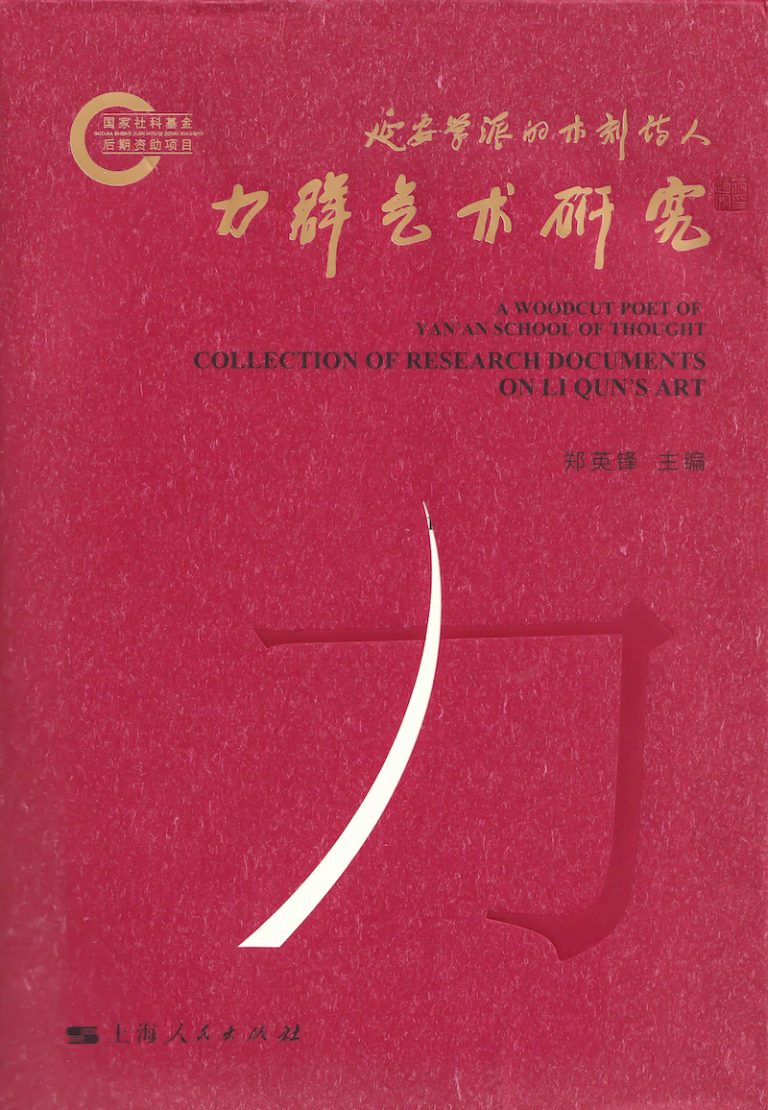
Li Qun is a prominent figure in the emerging woodcut printmaking movement in China and embodies the poetical spirit of the “Yan’an School.” He has had a significant influence on the development of modern printmaking in China. From a young age, he dedicated his art to the great cause of
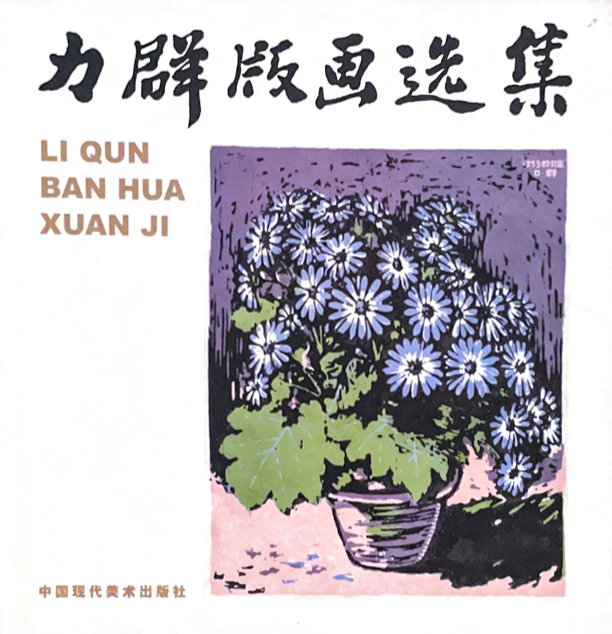
The text discusses an art exhibition held by Comrade Li Qun in Beijing’s Beihai Park, showcasing 26 pieces of his work, mostly new except for those from 1941. Despite facing challenges during various political movements over 39 years, Li Qun’s diligence shines through in his diverse and vibrant artworks. His
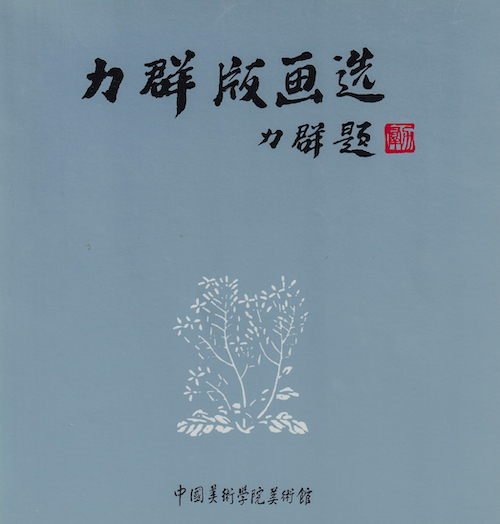
Li Qun, a native of Lingshi, Shanxi is a prominent figure in the realms of Chinese woodcuts and literary criticism. His artistic journey began at the National Hangzhou Art College (now the China Academy of Art) in 1931, a time when the influence of Lu Xun spurred a flourishing interest
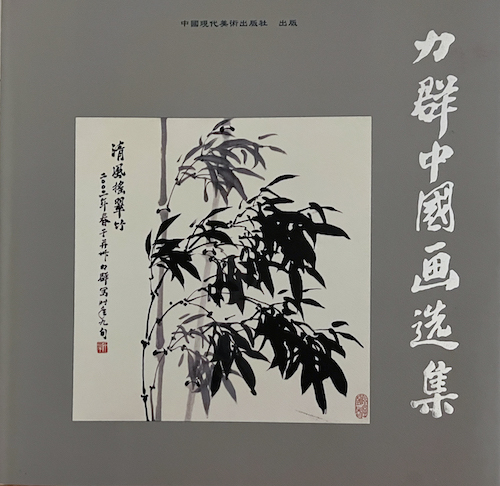
Li Qun, influenced by masters like Pan Tianshou and Li Kuchan, honed his Chinese painting skills at the National Hangzhou Art College. Combining this foundation with decades of printmaking experience, he crafts captivating works exhibited worldwide. His paintings, infused with spirit and form, resonate deeply, offering viewers a harmonious blend
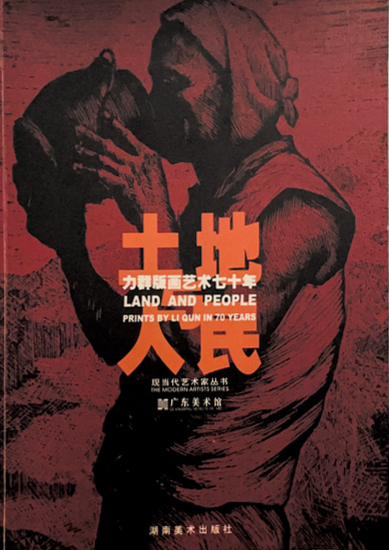
Li Qun emerges as a key figure, serving both as a witness and participant in the emerging art movement. Despite facing personal and societal challenges, Li Qun’s early works reflect influences from artists like Bouguereau and Mucha, as well as Soviet realism. Teaching at the Lu Xun Academy of Arts
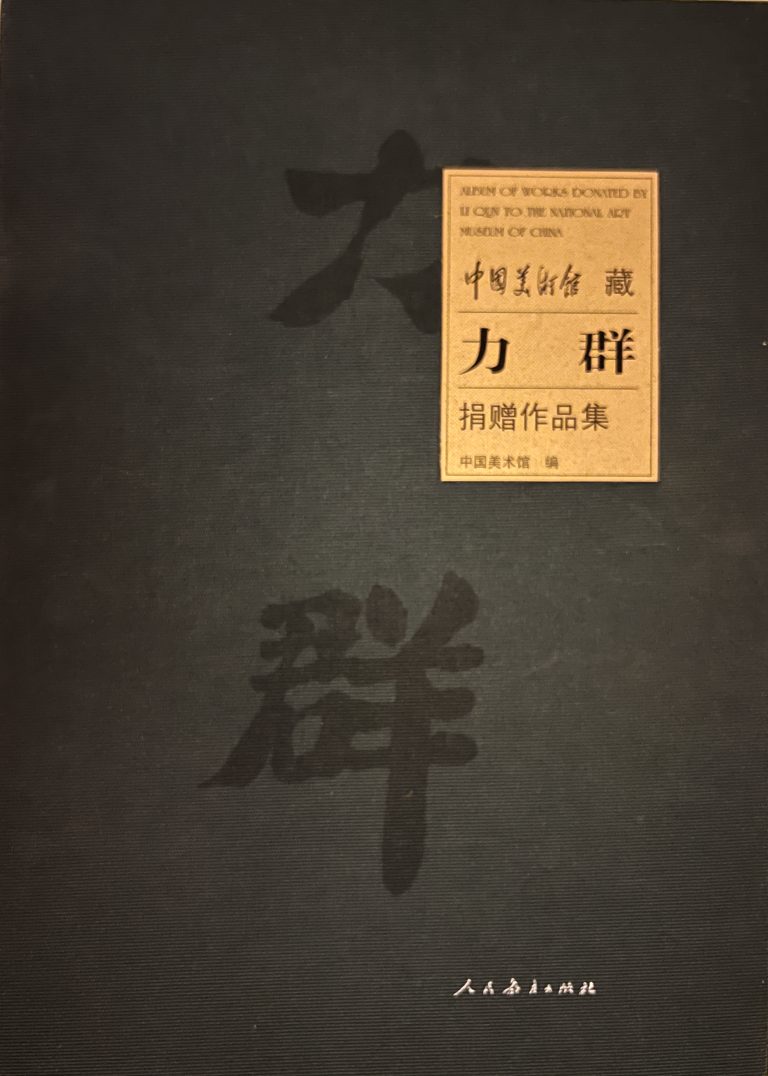
The “20th Century Special Incentive Scheme of National Art Collections and Donations” is a significant cultural initiative in China aimed at recognising artists’ contributions to 20th-century art. Started in 2004 under the Ministry of Culture’s leadership, it established the Shangguan Art Museum, praised by veteran artists who generously donated their
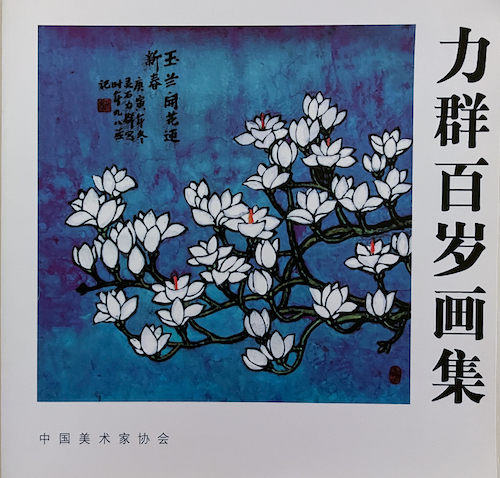
Titled “Li Qun’s 100-Year-Old Painting Collection,” this anthology celebrates the artist’s journey in Chinese painting, coinciding with his 99th birthday in December 2011. Tracing back to his education at the National Hangzhou Art College under revered mentors Pan Tianshou and Li Kutan, Li Qun initially pursued woodcarving. However, as age
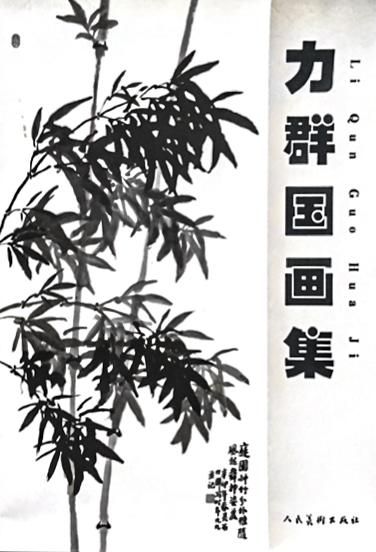
Mr. Li Qun, a respected figure in the Chinese art world, has been known nationwide for decades. Due to my love for art, I had the privilege of meeting him years ago. Despite the distance, our connection remained strong. In 2004, Mr. Li invited me to his solo exhibition, showcasing
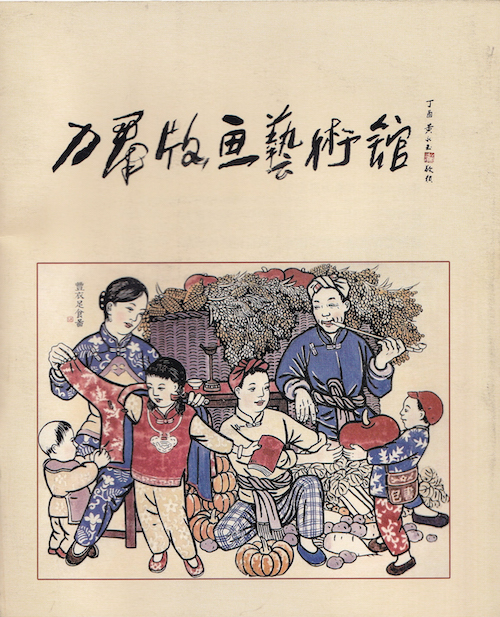
A collection of works donated to the Taiyuan Art Museum with the support of Li Qun’s family. The Li Qun Woodcuts Art Museum serves as a hub for collecting, preserving, and promoting his legacy. Located in Exhibition Hall 7 on the third floor of the Taiyuan Art Museum, the museum
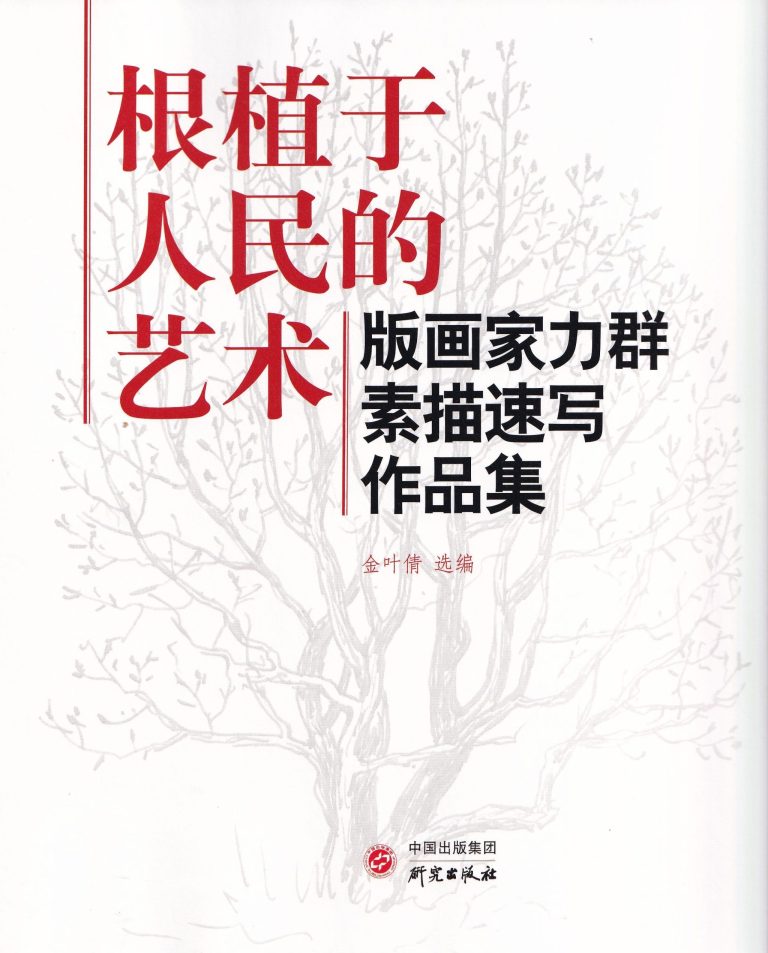
Mr. Li Qun, renowned for his woodcuts printmaking, left behind a collection of sketches that offer profound insights into his artistic journey. These sketches, discovered after his passing, span various subjects and scenes, reflecting the artist’s emotions and serving as source material. Despite their simplicity, they resonate deeply with viewers.
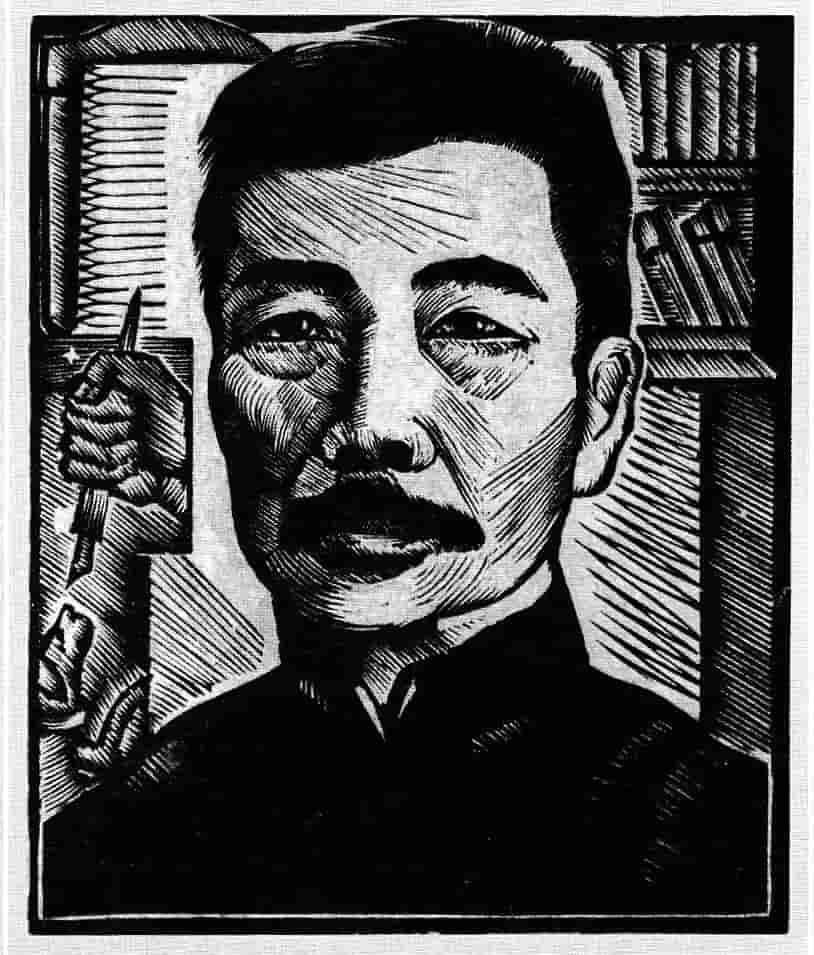
A comprehensive exploration of Li Qun Woodcuts spanning a remarkable 100-year chronicle that meticulously documents the life and career of this esteemed artist.
Gain insight into key events that shaped Li Qun’s trajectory, from his formative years in early 20th-century China to his influential presence in contemporary art. Discover the evolution of Li Qun’s craft as it intersects with major historical milestones, such as China’s Japanese invasion, Cultural Revolution and the modernisation era.
This chronicle provides a factual and detailed account of Li Qun’s journey, offering a unique lens into the socio-political landscape that has shaped both Li Qun and his iconic woodcut creations. Delve into the specifics of his chronicles to uncover the factual intricacies of a century-long artistic legacy.
We offer a range of services from sourcing Li Qun’s art for purchase, but more importantly documenting artworks in public collections globally.
If you have Li Qun’s art work, we would like to keep a record of your collection. this is to help the future validations of Li Qun’s art work.
We are committed to facilitating a comprehensive understanding of Li Qun’s artistic legacy. While our services do not include artwork verification, we do have established contacts that may assist in this regard, subject to potential costs.
This website is managed by Li Qun’s family to preserve his legacy, and to connect with curators, historians, collectors, artists, fans and admires across the globe.
contact@liqunwoodcuts.org