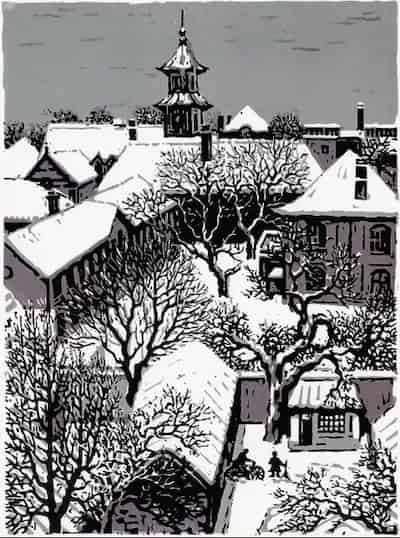
Childhood 1912-1930
A village childhood Li Qun’s roots trace back to a quaint mountain village, an enclave characterised by a mere six

A fervent and spirited young man, deeply moved by the news of the “September 18th Mukden incident“, found himself compelled to resist the aggressive incursions of Japanese imperialism on Chinese soil. Unwilling to acquiesce to a policy of non-resistance before aggressors or to tolerate any actions undermining national prestige, Li Qun as a young man, along with like-minded individuals, rejected traitorous speeches and behaviours that supported the Japanese occupation.
Naturally gravitating toward sympathy for the broad masses of working people, he aligned himself with progressive young minds, fervently rising to voice his agreements, praises, oppositions, resistances, and support for causes he deemed just. Under the banner of Lu Xun (鲁迅), he took a principled stand, organising the “Mu Ling (木铃 Wooden Chime) Woodcuts Research Association” with fellow progressives. Their collaborative efforts resulted in wood carvings such as “Disease” and active participation in the “Chinese Left-wing Artists Alliance“.
Despite facing imprisonment for a year and a half by authorities at the time that were less supportive of left-wing socialist ideology, due to his involvement with the “Mu Ling Woodcuts Research Association” his inner fire remained unquenched, harbouring no regrets. Upon release, he tenaciously continued his pursuit, unwaveringly fighting for truth. In 1936, passing through Beijing, he fearlessly joined the “June 13” demonstration of Beijing students, demanding a united front against Japanese aggression, even when friends cautioned against the potential risks.
Upon his return to Shanghai, on the anniversary of September 18th, he participated in a public demonstration advocating for an end to the civil war and a joint anti-Japanese war. The word “revolution” had firmly taken root in his heart, showcasing its potential to thrive.
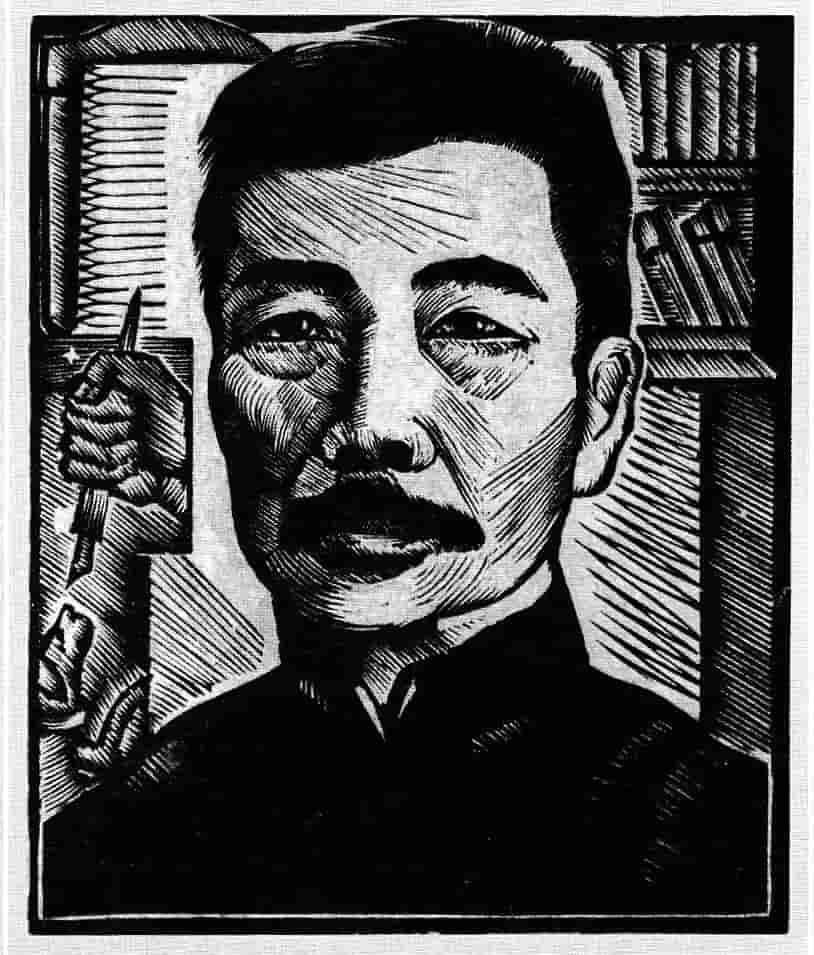
After his release from prison, he journeyed from Shanghai to Taiyuan, and then back to Shanghai. Amidst the challenges of seeking survival and employment, he created impactful works such as “Three Suffering Youths“, “Spring Night“, “Children Picking Up Trash“, “Scavengers on a Cold Night” and woodcut pieces like “Strike”, “Resistance“, “Refugees“, “Japanese Arms Smuggling” and “Portrait of Lu Xun” These works vividly reflected his heroic spirit, unafraid to wield the carving knife as a metaphorical sword.
In a poignant tribute to Lu Xun, who passed away on October 19, 1936, he personally visited the scene to draw a portrait, a testament to his enduring commitment to the revolutionary spirit.

 In 1933, during Li Qun’s enrolment at the “Hangzhou Art College” he and a group of progressive peers founded the “Mu Ling Woodcuts Research Society“. Their collaborative efforts culminated in an exhibition held in Hangzhou that year, complemented by the publication of the “Mu Ling Woodcuts Collection”.
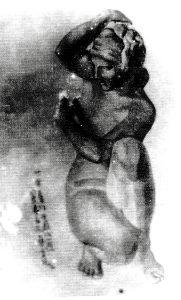 However, an unexpected turn of events unfolded as a divine calamity, leading to the arrest of Li Qun, his friends Liu Pingruo (曹白 Artist name: Cao Bai), and Ye Naifen (叶洛 Artist name Ye Luo) on the morning of October 10. This orchestrated action was carried out under the planning of the school’s education director. It wasn’t until early 1935 that they were released on bail, marking their exit from incarceration. The accompanying image depicts the cover of the “Mu Ling Woodcuts Collection” from that period. In 1932, while studying at the National Hangzhou Art College, Li Qun engaged in plaster sketching of the human body. Furthermore, watercolour paintings created by Li Qun in the same year during his tenure at the National Hangzhou Art College is showcased, reflecting his artistic endeavours during this period.
Embarking on Social Engagement through Art: Li Qun’s Solo Exhibition. The solo exhibition featuring Li Qun’s artistic creations took place at the Taiyuan Association in Zhongshan Park on December 21, 1933.
This event provided a unique opportunity to appreciate the works of Li Qun, who, alongside Cao Bai (曹白) and Ye Luo (叶洛), faced arrest in October 1933 for their involvement in the Chinese Left-Wing Artists Alliance and the establishment of the “Mu Ling Woodcuts Research Association”. Their release from prison occurred in the spring of 1935. Following his period of unemployment post-release, Li Qun delved into creating impactful works such as “Three Suffering Youths” and “Spring”. Upon his return to Taiyuan in the autumn of that year, he continued his artistic journey with pieces like “Children Picking Up Trash” and “Scavengers on a Cold Night”.
The “Li Qun Solo Exhibition” held at the “Taiyuan Guild” in Zhongshan Park showcased a diverse collection of 73 artworks, including woodcuts, watercolours, pencil drawings, charcoal paintings, and Chinese paintings. The exhibition is a testament to Li Qun’s multifaceted artistic talent and his enduring commitment to artistic expression. The accompanying poster provides a glimpse into the visual richness awaiting attendees.

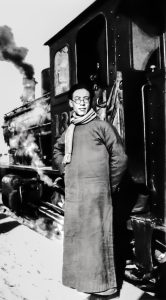 In 1936, at the age of 24, Li Qun made significant contributions to the realm of woodcut art with notable works such as “Picking Leaves“, “Bird“, “Still Life”, “Strike” and “Resistance“. During June of the same year, as he traversed from Taiyuan to Shanghai via Beijing, Li Qun actively participated in the “June 13” demonstration organised by students in Beijing. The event fervently called for unified anti-Japanese resistance. The accompanying photograph captures a moment at Taiyuan Railway Station during this period.

In October 1936, Li Qun found himself in Shanghai. During this time, when his wife, Liu Pingdu 刘萍杜, made the journey from Lingshi to Shanghai via Taiyuan, Li Qun’s friends, the progressive individuals Yan Lichuan and Wen Yizhai, diligently looked after her. The photograph captures Liu Pingdu, Yan Lichuan 阎丽川 (left), Wen Yizhai 温一斋 (right).
Post-1949, Yan Lichuan assumed positions such as the dean of Tianjin Academy of Fine Arts, while Wen Yizhai, also known as Wen Chunhou and later renamed Liu Yun, served as the deputy secretary-general of the Xikang Provincial Party Committee, secretary of the Sichuan Ganzi Autonomous Prefecture Party Committee, and secretary of the Party Committee of Southwest University for Nationalities.

In early 1935, after Li Qun’s release from prison, he joined the Shanghai Jingyi Advertising Company. However, due to the company’s subsequent collapse, he returned to Taiyuan in July and worked under Du Renzhi (杜任之) at the “Art News Agency”. The following year witnessed the disbandment of Du Renzhi’s “Northwest Drama Society” and “Art News Agency” due to the cessation of funds provided by Yan Xishan (阎锡山). Consequently, Li Qun found himself compelled to return to Shanghai.
During his journey to Shanghai in June 1936, he passed through Beijing, where he actively participated in the “June 13th Student Movement”. Li Qun contributed to the organisation of the demonstration, which called for an end to the civil war and unity against Japan. Subsequently, he sent a letter to his friend Wen Yizhai in Taiyuan, vividly describing the intense atmosphere of the demonstration and expressing his fervent commitment to the cause. 
In another letter, Li Qun recounted his involvement in the Shanghai people’s “September 18th” demonstration in 1936. The demonstration demanded an end to the civil war and a united front against Japanese aggression. Li Qun’s letters provide poignant insights into his active engagement in the socio-political landscape of the time.

On October 19, 1936, the esteemed figure Lu Xun (鲁迅) breathed his last. In a letter dated October 29 to Wen Yizhai (温一斋), Li Qun recounted the somber events: “On the morning of the 19th, I just got up, not having put on my socks or brushed my teeth, when I saw a silver-grey car parked at my door. A panicked knock followed. I thought a friend was in trouble, but it was Hirakata and Ms. Sachiko Ikeda, bearing grave news that Lu Xun had passed away at 5:25am. I rushed to Lu Xun’s house and found our mentor peacefully asleep.
 The house was enveloped in sorrow. Li Qun detailed the scene, including the presence of mourning friends and the emotional atmosphere.
As the years passed, the whereabouts of the sketch of “Portrait of Lu Xun” remained uncertain. It wasn’t until 1977 that Li Qun’s eldest son, A Ming, stumbled upon a “Collection of Paintings of Mr. Lu Xun” in Hong Kong. A Ming promptly sent the painting to his father, who then replicated it.
The poignant sketches and the emotional recollections captured in Li Qun’s letter provide a glimpse into the profound impact of Lu Xun’s passing on the artist’s life and work.
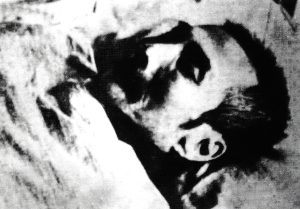 Capturing Lu Xun’s Legacy:
This photograph, originally taken by Mr. Sha Fei (沙飞), a trailblazer in China’s revolutionary photography community, depicts Lu Xun’s remains. As Li Qun had painted Lu Xun’s posthumous portrait, Comrade Chen Jianhua of the Sha Fei Photography Academic Research Association presented this photo to Li Qun in 1989. Chen Jianhua, Sha Fei’s comrade-in-arms, emphasised the significance of the portrait.
Comrade Chen Jianhua 陈建华 stated on September 20, 1989, that the portrait photo of Lu Xun was given to him as a personal gift by Sha Fei.


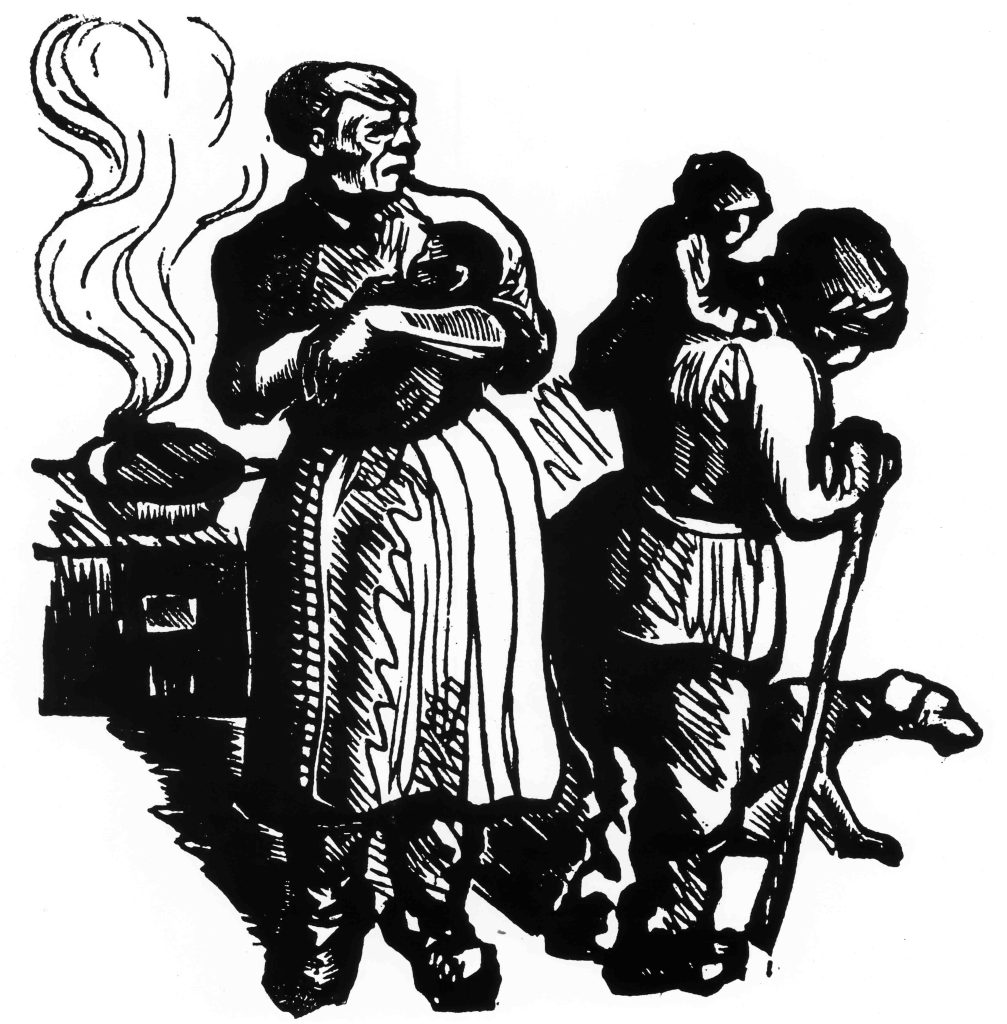


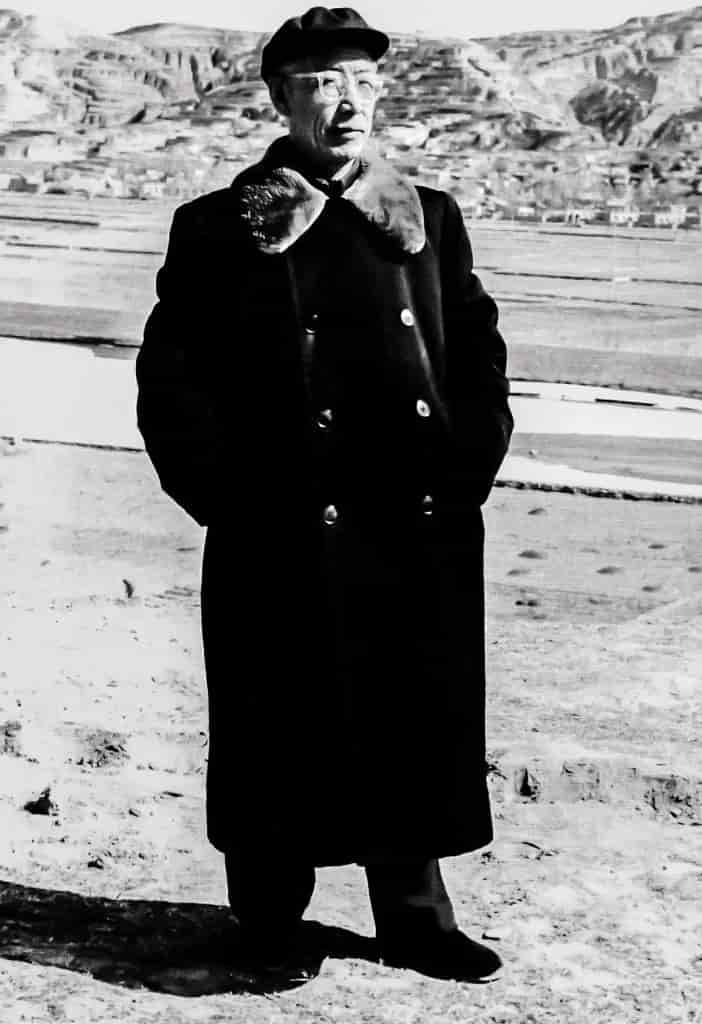
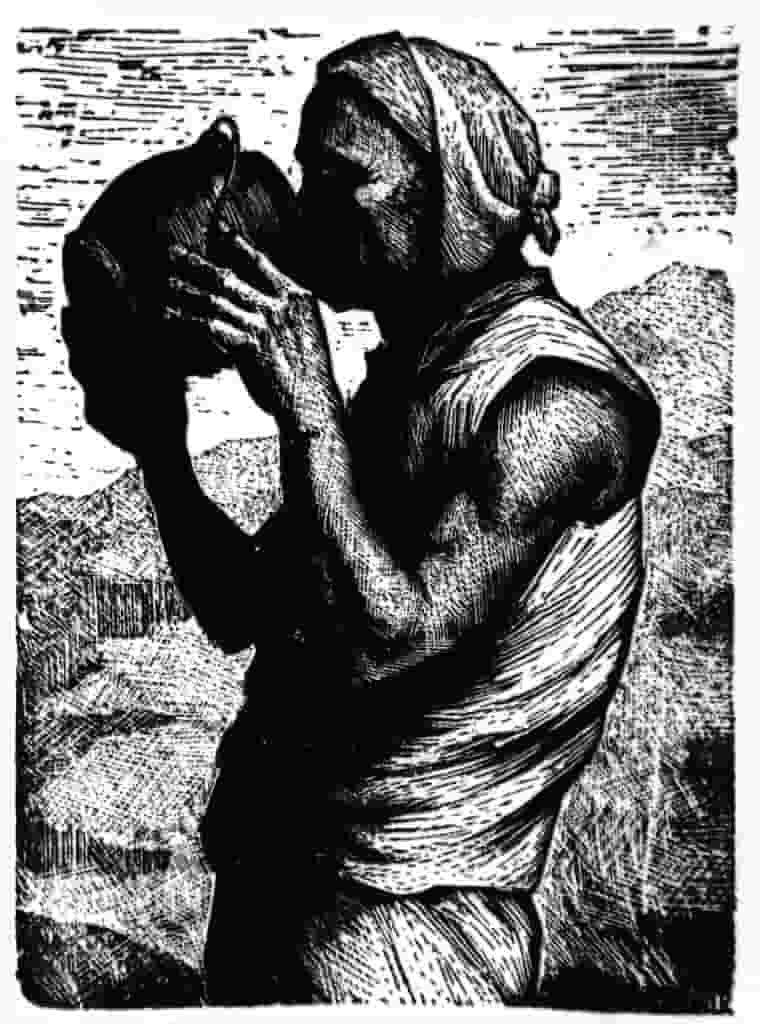

A village childhood Li Qun’s roots trace back to a quaint mountain village, an enclave characterised by a mere six courtyards and ten households in its nascent years. This hamlet, situated in Lingshi County, Shanxi Province, earned its identity as Hao Jia Zhang. Positioned to the east of Fenhe River,
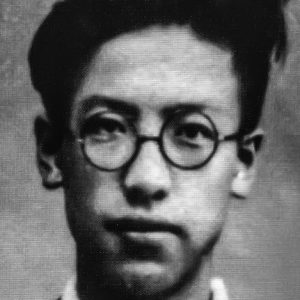
A fervent and spirited young man, deeply moved by the news of the “September 18th” incident, found himself compelled to resist the aggressive incursions of Japanese imperialism on Chinese soil. Unwilling to acquiesce to a policy of non-resistance before aggressors or to tolerate any actions undermining national prestige, the young
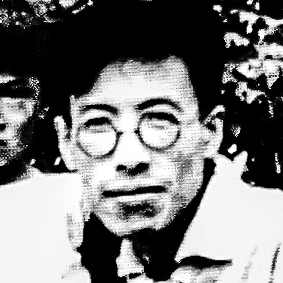
Following the Marco Polo Bridge Incident on July 7th, a significant event unfolded in Shanghai known as the “August 13th” Anti-Japanese War. It marked a critical juncture for the Chinese nation, prompting a collective response from those unwilling to endure subjugation. The call to action resonated with the spirit of
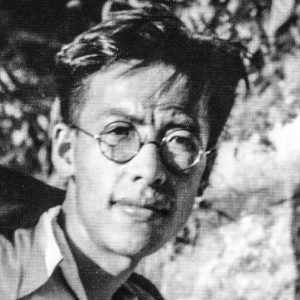
In Li Qun’s contemplation, Yan’an had long been the revered sanctuary he ardently sought. Communist Party members and numerous progressives within the “Wuhan Third Office” had already developed a certain level of “Yan’an Fever”. Although Li Qun was not yet a Communist Party member at that time, Guang Weiran had
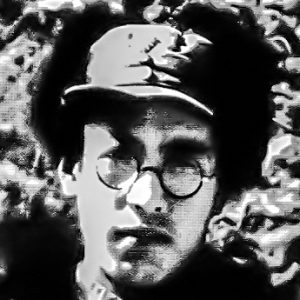
In August 1945, following the Japanese surrender, Liqun bid farewell to Yan’an, where he had dedicated six years of work and life. He arrived in Xingxian County, Shanxi Province, which served as the political and cultural hub of the Shanxi-Suiyuan Border Region. There, he assumed the role of chief editor
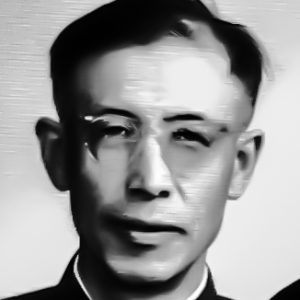
Following the inaugural national literary congress, Li Qun adhered to Comrade Zhou Yang’s directives and returned to Shanxi to collaboratively establish the Shanxi Federation of Literary and Art Circles with Comrade Gao Muhong. In December 1949, the first literary congress of Shanxi Province was successfully convened, electing Gao Muhong as
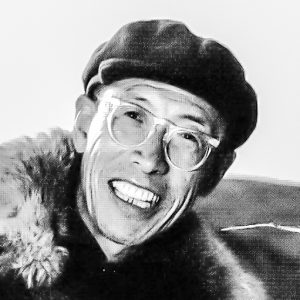
During the tumultuous period of the “Cultural Revolution,” Li Qun, like many writers and artists, faced severe hardships and endured humiliation. Initially transferred back to Shanxi in early 1966, the upheaval of the “Cultural Revolution” saw him forcefully returned to Beijing, labeled as part of the “gangster” team of “reactionary
With the demise of the “Gang of Four,” a wave of joy swept across China. Li Qun, like countless others, found himself advancing into a new chapter in the aftermath of the storm, standing beside the “sinking boat” and the “ailing tree” during a time of tremendous possibilities.
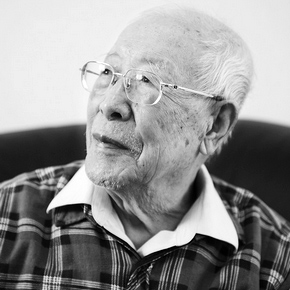
Determining precisely when Li Qun entered old age proves challenging, given the considerable gap between his vitality and chronological age. As mentioned earlier, even in his 70s during the reform and opening up era, he exhibited a spirit that belied his years. Approaching 80, on the cusp of the new
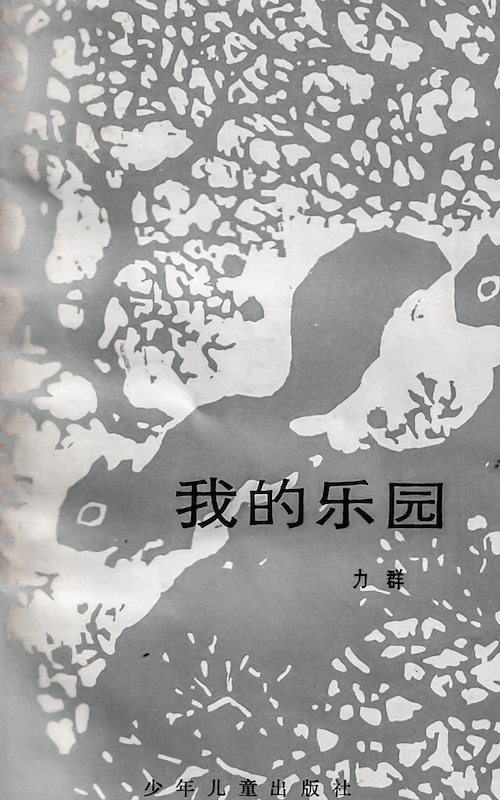
The pure and lively sensibilities of children, influenced by nature, the memorable and relatable people encountered during youth, and the longing of young minds for life and his emotional reflections. These themes permeate the work of the acclaimed woodcuts artist Li Qun. In this book, Li Qun skilfully intertwines literature
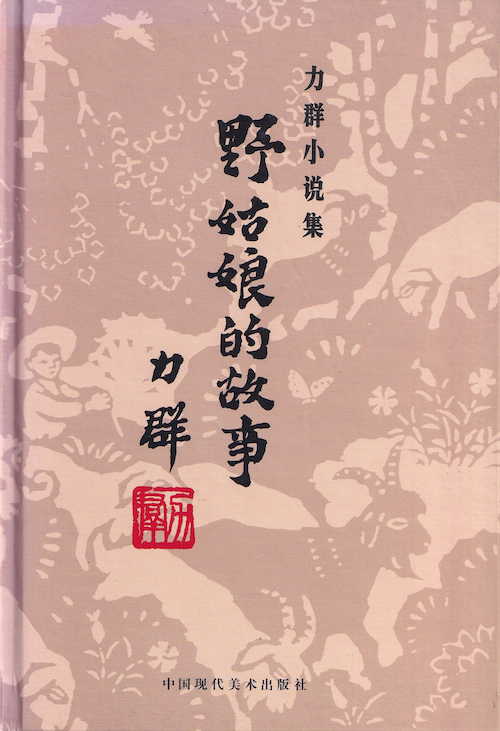
In the remote mountain village of Shanxi Province, Guilian grows up without her mother’s love, facing her father’s bitterness and the superstitions that label her unlucky. Despite harsh circumstances, she finds solace in nature and solitude. As she matures, Guilian’s resilience becomes her strength, defying her father’s attempts to sell
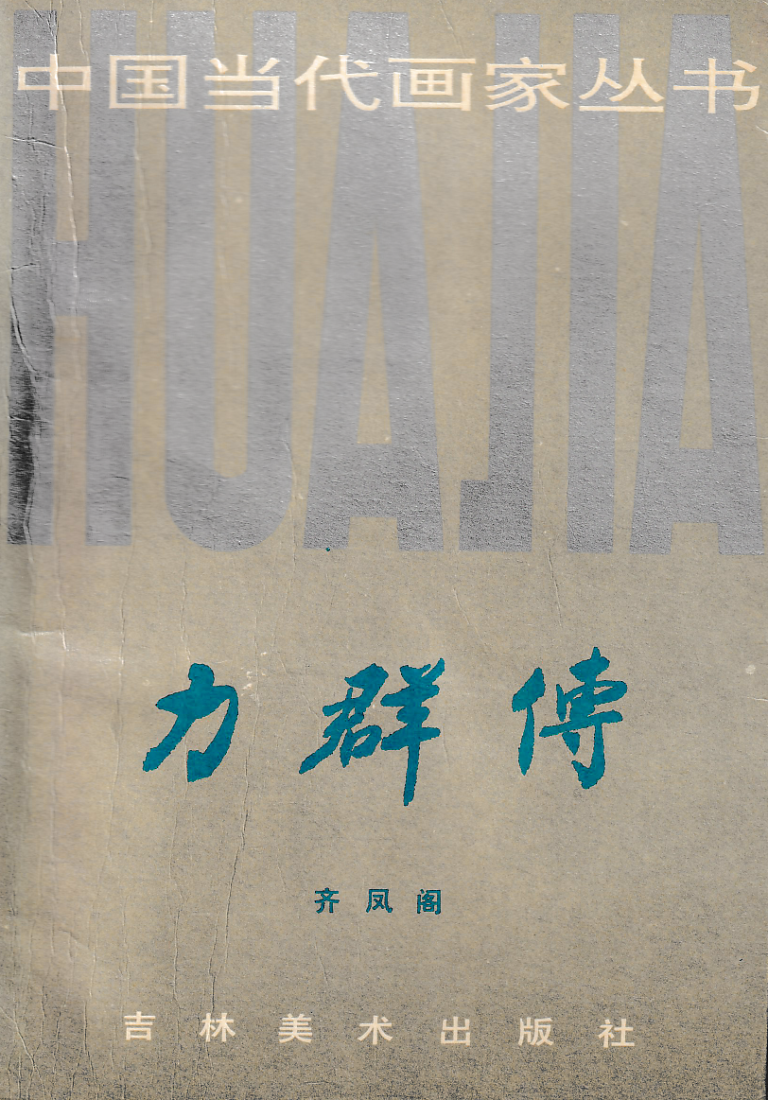
Li Qun the renowned woodcuts artist from Shanxi has weathered numerous challenges and remained committed to self-improvement, guided by unwavering beliefs and relentless determination. His journey from rural origins to urban landscapes, from the city to Yan’an, reflects his resilience and perseverance amidst life’s trials. This book not only chronicles

An autobiography penned by the renowned Chinese woodcuts artist Li Qun. Through a blend of documentary techniques, Li Qun vividly recounts the twists and turns of his career, tracing his creative journey and artistic evolution over the past century. This captivating autobiography immerses readers in the rich tapestry of historical
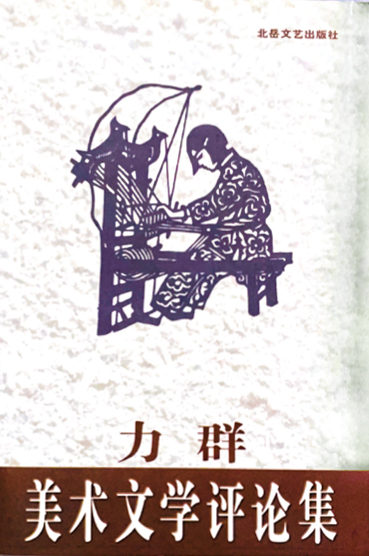
Li Qun renowned woodcuts artist who has been engaged in artistic creation for nearly 60 years. He persists in both printmaking and literary creation, and is also involved in Chinese painting. Additionally, he is a well-known art critic. His prints are characterised by their simplicity, clarity, and lyrical colours, reflecting
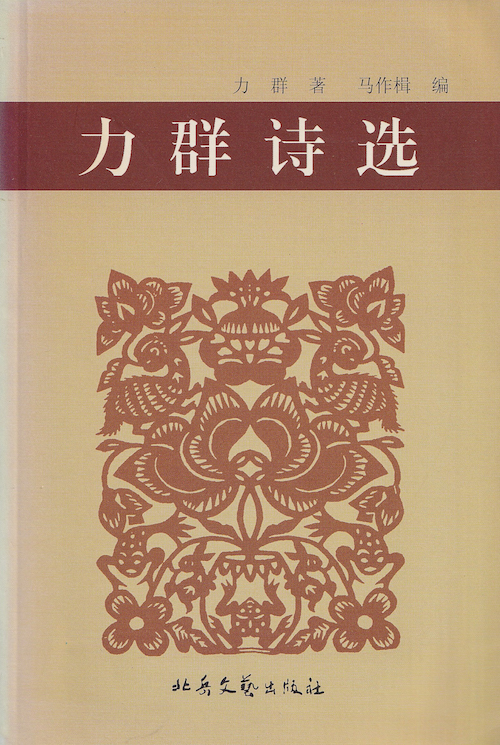
“Selected Poems of Li Qun,” compiled by the artist himself, finding its verses rich in sincerity, vivid imagery, and melodious rhythms. Divided into three volumes with a total of 88 poems, the collection showcases Li Qun’s deep emotions, artistic vision, and linguistic precision. Each poem resonates deeply, ranging from tranquil
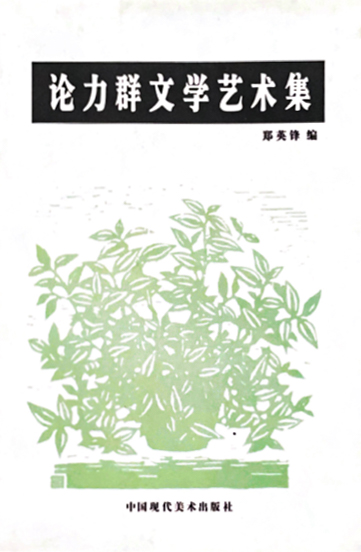
Li Qun, born on December 25, 1912, in Haogia Village, Shanxi Province, has been involved in art for nearly 60 years. He grew up in a rural environment, which greatly influenced his woodcut creations and writings. Li Qun studied at the National Hangzhou Art Specialized School and later joined the
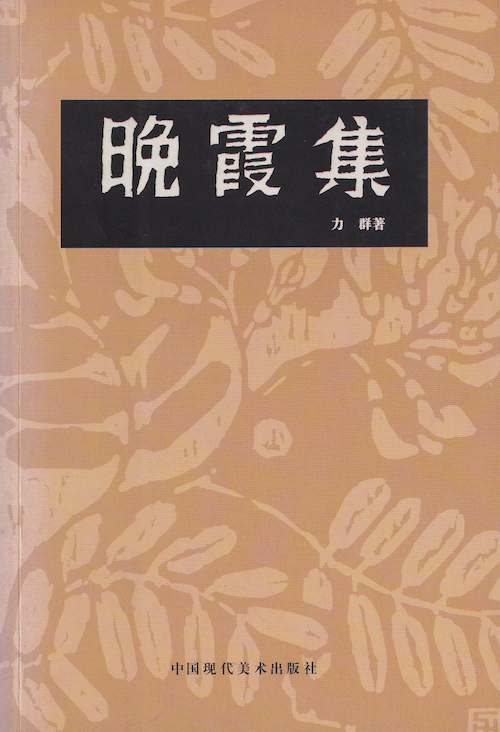
Li Qun, known primarily as a woodcuts artist showcases his literary talents alongside his passion for painting in an anthology spanning novels, essays, and critiques. The collection starts with “The Story of the Wild Girl,” a moving novel, followed by serene prose pieces like “My Paradise” and “Hua Orchid.” His
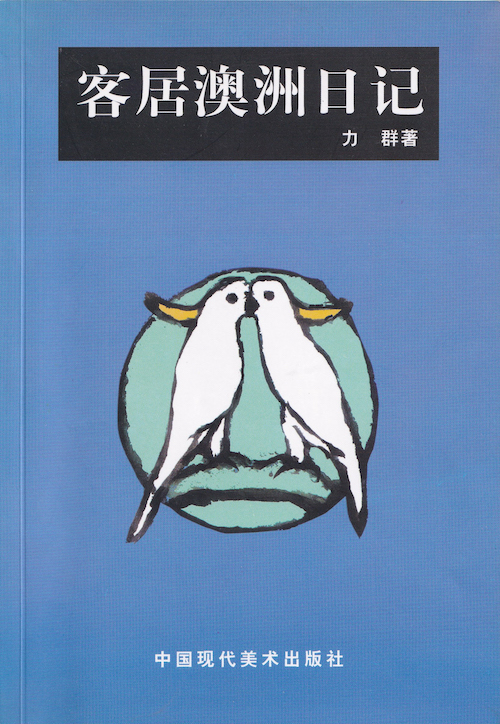
In December 1994, Li Qun embarked on a five-month journey to Australia, chronicling his experiences in “Diary of living in Australia.” Through daily entries, he contrasts the climate, environment, and cultural interests of Australia with the mainland. Sydney’s wildlife, especially the playful parrots, captivated him, as shared in his letter
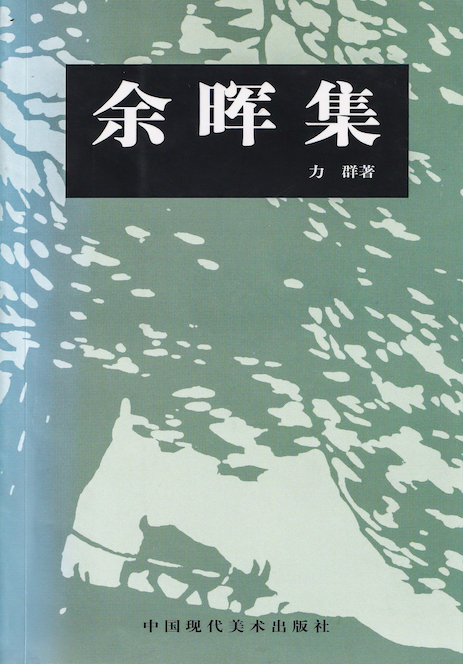
The “Afterglow Collection” signifies the culmination of Li Qun’s literary journey following the “Sunset Collection”. Within its 34 articles, each holds significance. Particularly noteworthy is “The Eternal Navigation Lighthouse,” detailing the “Yan’an Forum on Literature and Art” exploring its historical impact and contemporary interpretation. “My Creative Path” delves into personal
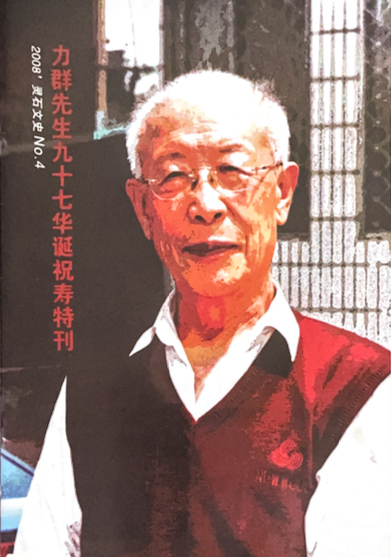
Congratulations – To Mr. Li Qun, a renowned Chinese printmaker, writer, literary critic, and local luminary. Respected Mr. Li Qun: Today marks your 97th birthday. First and foremost, please allow us, on behalf of the Ling Shi County Committee, Government, People’s Congress, Political Consultative Conference, and all 240,000 residents of
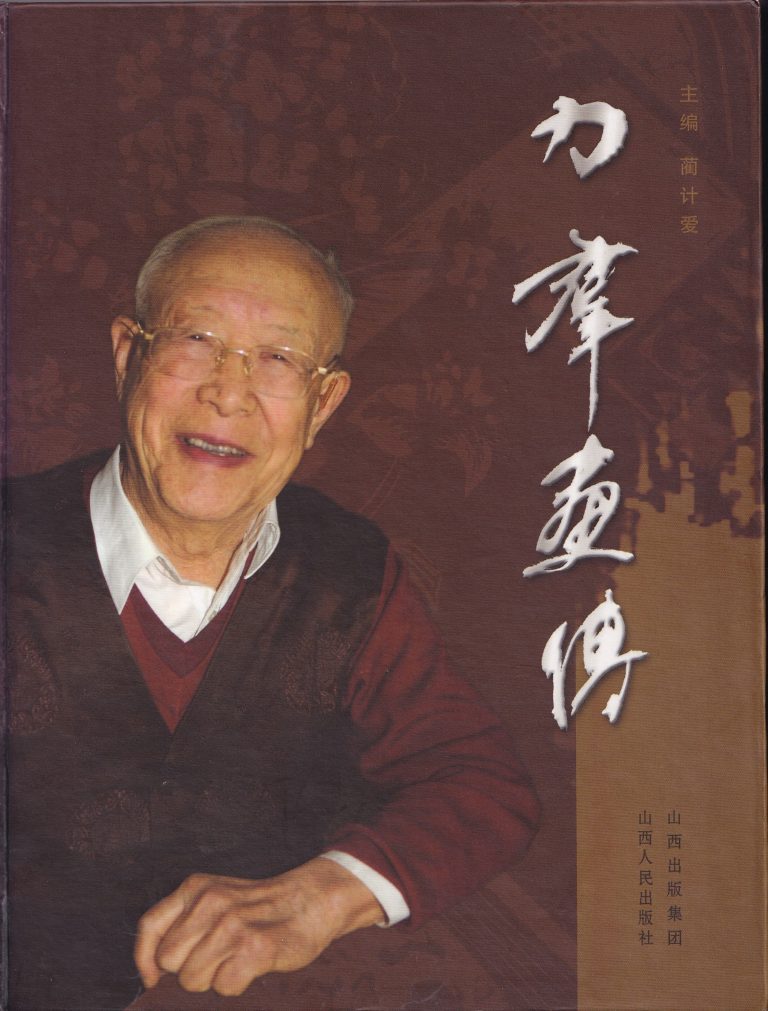
The forthcoming “Picture Biography of Li Qun” provides an in-depth look into the life and artistic journey of this revered figure. From his humble beginnings in Shanxi to becoming a pioneering force in China’s woodcuts and printmaking movement. Li Qun’s unwavering commitment to his craft endured personal and political challenges.
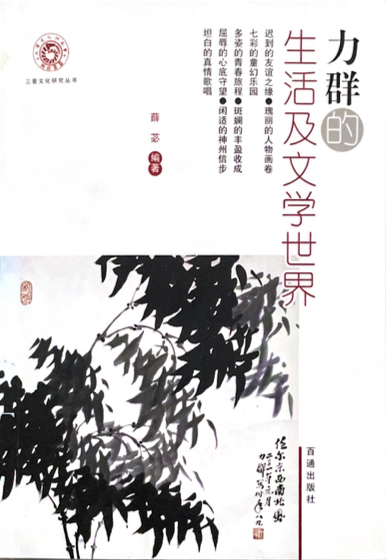
Li Qun, in my view, is a remarkable figure of his generation. Decades ago, I came across his woodblock prints in the “Jin Sui Daily,” and they truly captivated me. He had connections with the cultural giant of China, Mr. Lu Xun, as early as the 1930s. He was the
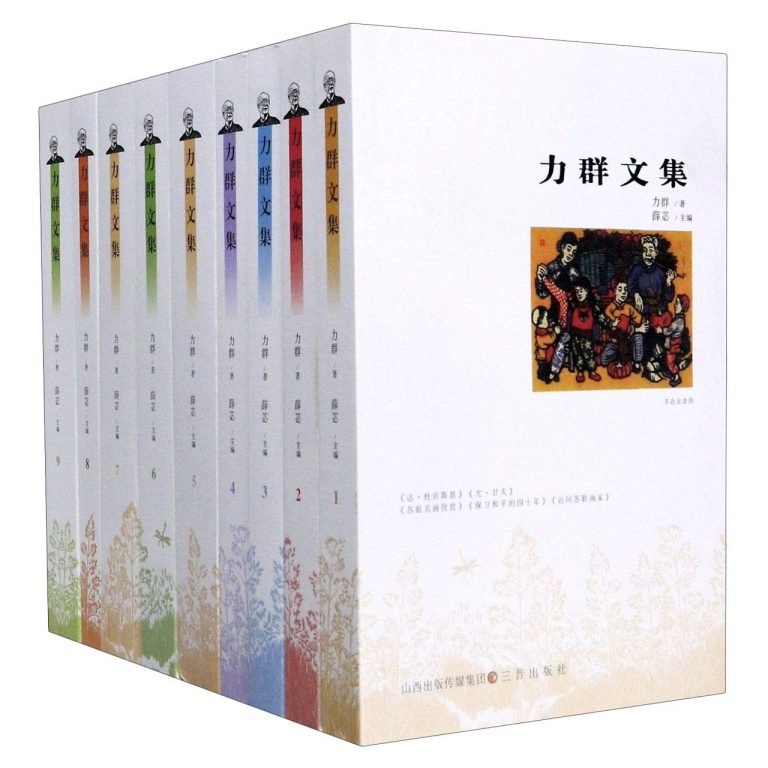
“The Complete Works of Li Qun” is a comprehensive nine-volume collection that showcases Mr. Li Qun’s dedication and creative accomplishments across various fields such as woodcut paintings, essays, novels, and literary critiques. Each volume stands as a complete entity, offering readers a glimpse into Mr. Li Qun’s artistic evolution from
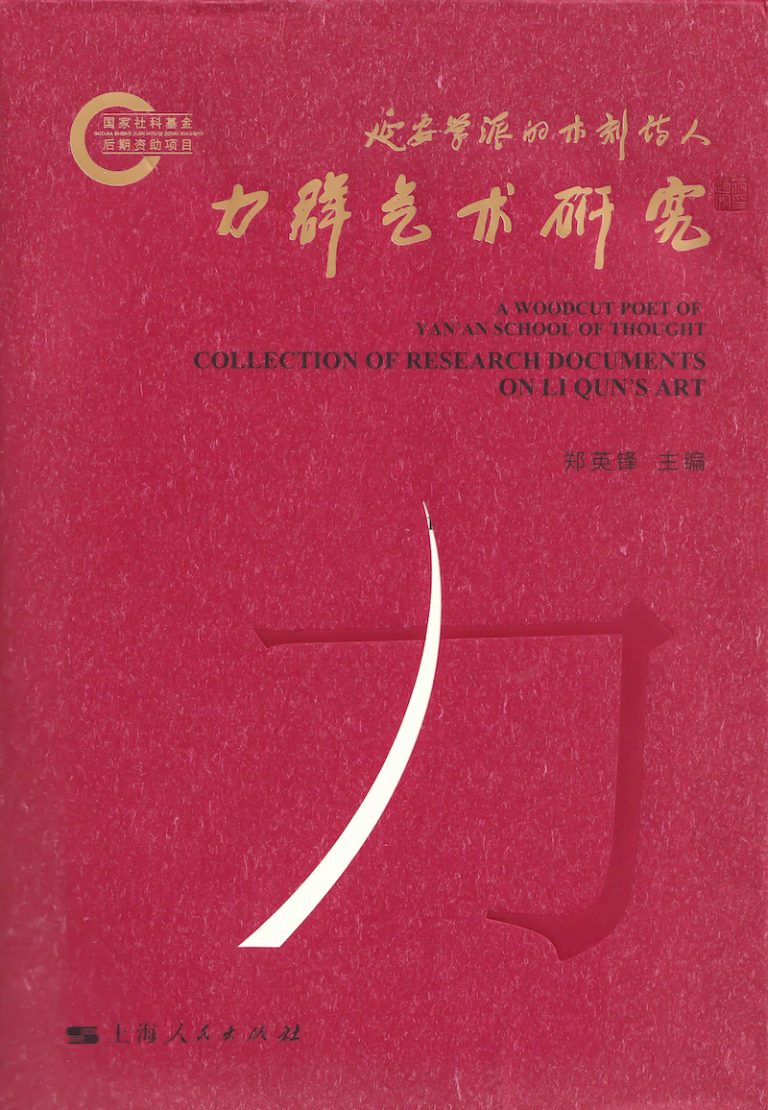
Li Qun is a prominent figure in the emerging woodcut printmaking movement in China and embodies the poetical spirit of the “Yan’an School.” He has had a significant influence on the development of modern printmaking in China. From a young age, he dedicated his art to the great cause of
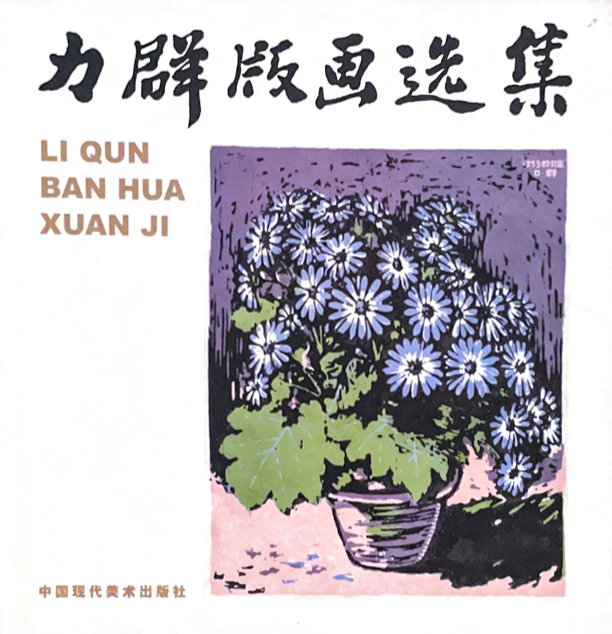
The text discusses an art exhibition held by Comrade Li Qun in Beijing’s Beihai Park, showcasing 26 pieces of his work, mostly new except for those from 1941. Despite facing challenges during various political movements over 39 years, Li Qun’s diligence shines through in his diverse and vibrant artworks. His
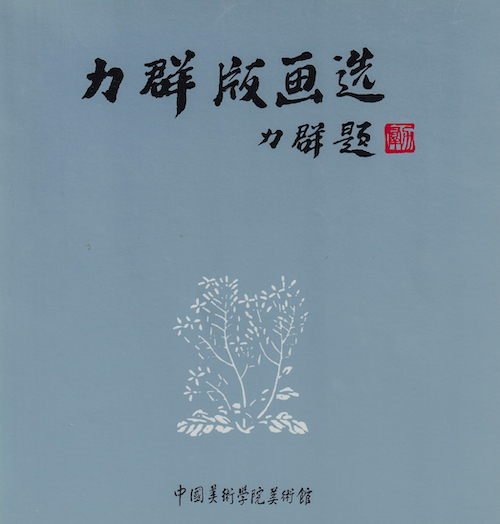
Li Qun, a native of Lingshi, Shanxi is a prominent figure in the realms of Chinese woodcuts and literary criticism. His artistic journey began at the National Hangzhou Art College (now the China Academy of Art) in 1931, a time when the influence of Lu Xun spurred a flourishing interest
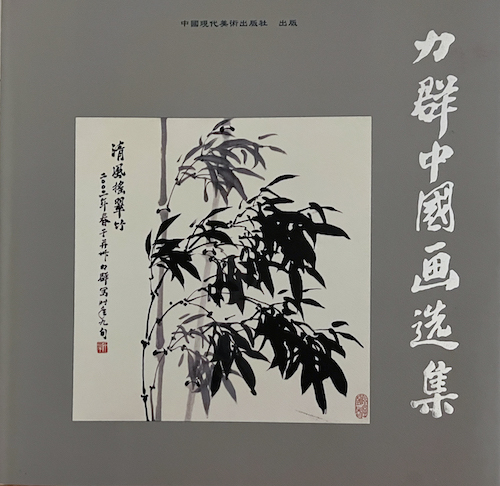
Li Qun, influenced by masters like Pan Tianshou and Li Kuchan, honed his Chinese painting skills at the National Hangzhou Art College. Combining this foundation with decades of printmaking experience, he crafts captivating works exhibited worldwide. His paintings, infused with spirit and form, resonate deeply, offering viewers a harmonious blend
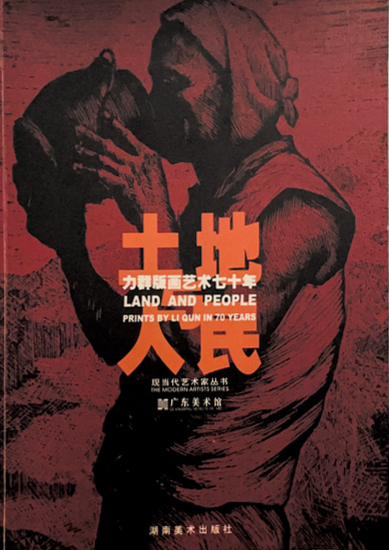
Li Qun emerges as a key figure, serving both as a witness and participant in the emerging art movement. Despite facing personal and societal challenges, Li Qun’s early works reflect influences from artists like Bouguereau and Mucha, as well as Soviet realism. Teaching at the Lu Xun Academy of Arts
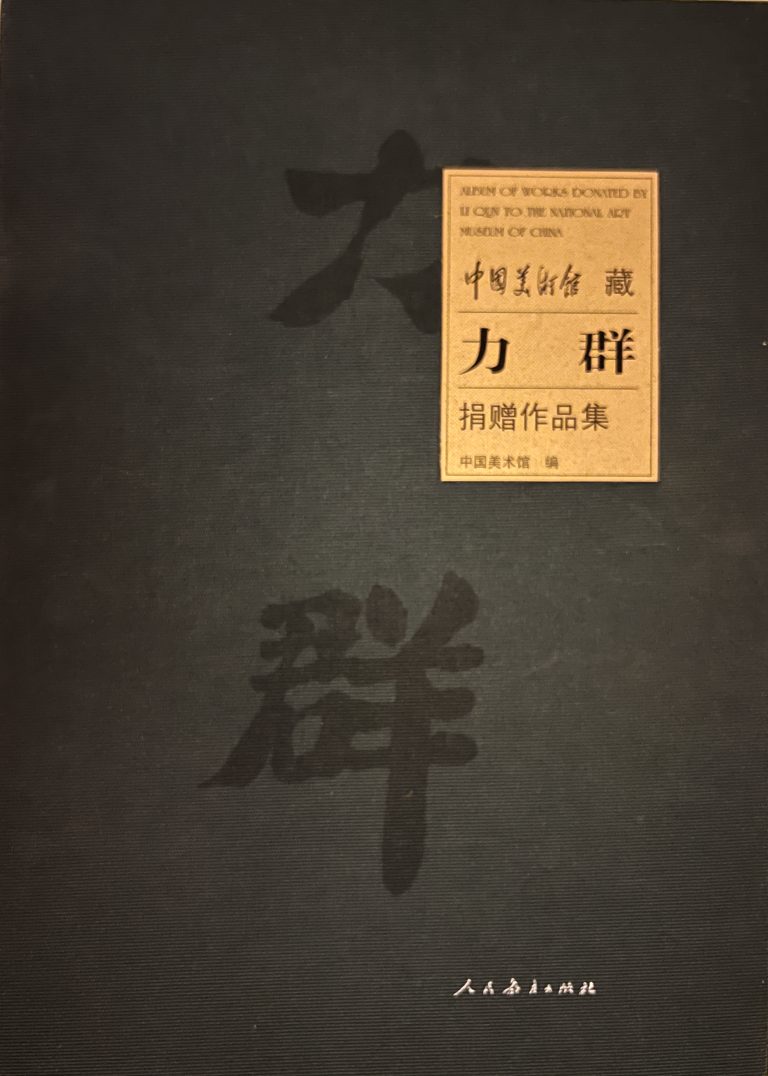
The “20th Century Special Incentive Scheme of National Art Collections and Donations” is a significant cultural initiative in China aimed at recognising artists’ contributions to 20th-century art. Started in 2004 under the Ministry of Culture’s leadership, it established the Shangguan Art Museum, praised by veteran artists who generously donated their
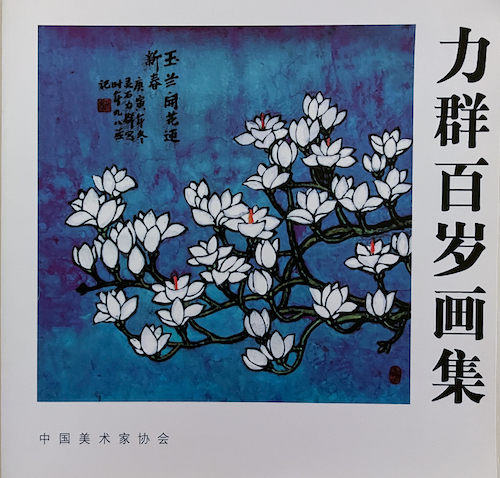
Titled “Li Qun’s 100-Year-Old Painting Collection,” this anthology celebrates the artist’s journey in Chinese painting, coinciding with his 99th birthday in December 2011. Tracing back to his education at the National Hangzhou Art College under revered mentors Pan Tianshou and Li Kutan, Li Qun initially pursued woodcarving. However, as age
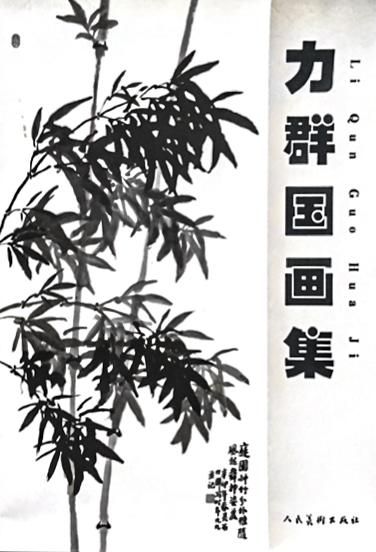
Mr. Li Qun, a respected figure in the Chinese art world, has been known nationwide for decades. Due to my love for art, I had the privilege of meeting him years ago. Despite the distance, our connection remained strong. In 2004, Mr. Li invited me to his solo exhibition, showcasing
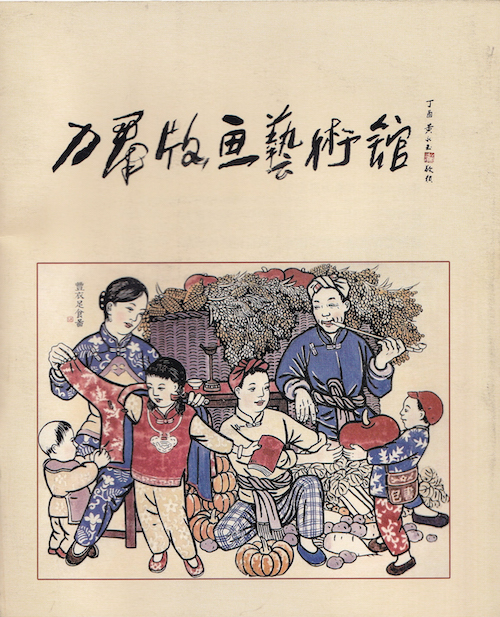
A collection of works donated to the Taiyuan Art Museum with the support of Li Qun’s family. The Li Qun Woodcuts Art Museum serves as a hub for collecting, preserving, and promoting his legacy. Located in Exhibition Hall 7 on the third floor of the Taiyuan Art Museum, the museum
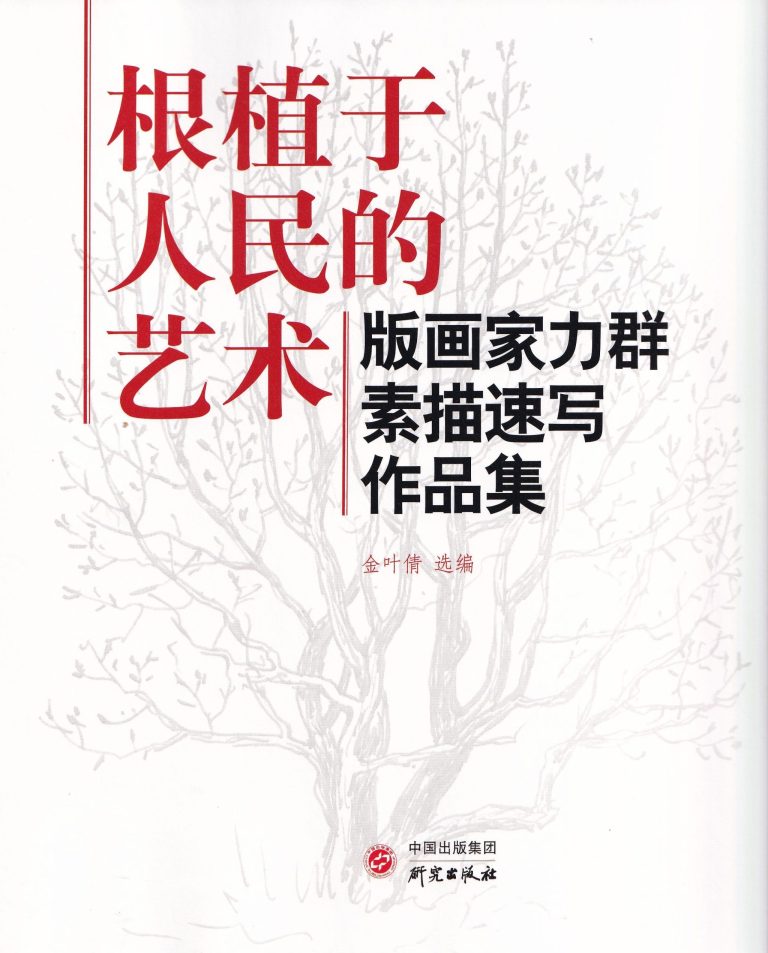
Mr. Li Qun, renowned for his woodcuts printmaking, left behind a collection of sketches that offer profound insights into his artistic journey. These sketches, discovered after his passing, span various subjects and scenes, reflecting the artist’s emotions and serving as source material. Despite their simplicity, they resonate deeply with viewers.