Childhood
A village childhood
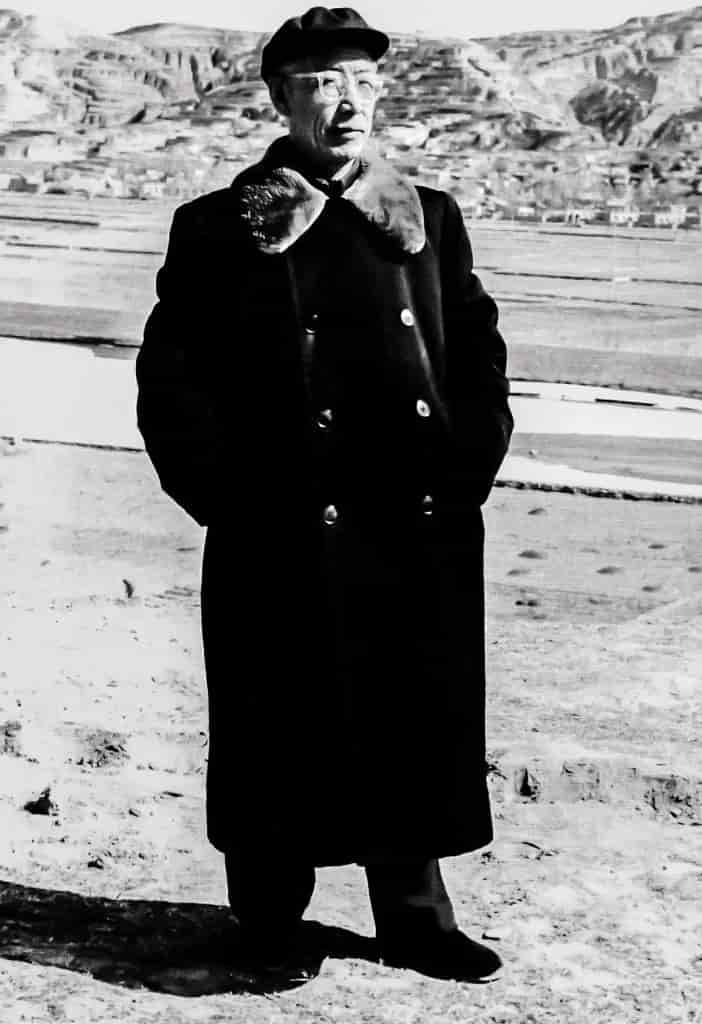
Liqun’s roots trace back to a quaint mountain village, an enclave characterised by a mere six courtyards and ten households in its nascent years. This hamlet, situated in Lingshi County, Shanxi Province, earned its identity as Hao Jia Zhang. Positioned to the east of Fenhe River, west of Huoshan Mountain, and south of Hanxinling, it abutted the rural expanse of Huozhou City. The village’s nomenclature, “Hao Jia Zhang,” subtly reflects its diminutive size, illustrating the linguistic adeptness of local forebears in encapsulating objects with concise Chinese characters. The narrative posited in this account suggests that the primary progeny, Liqun, hailed from Haojiazhang Village.
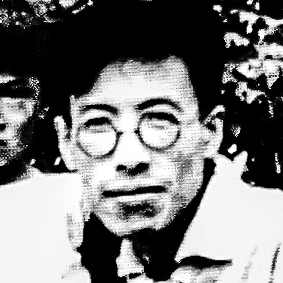
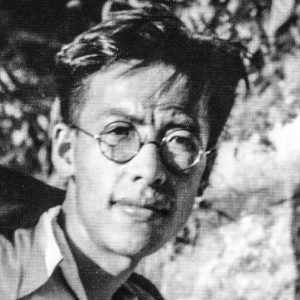
Liqun’s family name, Hao, aligns seamlessly with the appellation of his birthplace. Originally known as Hao Lichun, he opted to adopt the name Liqun for two principal reasons. Firstly, following his early entanglement in left-wing art activities and subsequent arrest, the appellation “Hao Lichun” became permanently etched in the records of the Kuomintang prison, rendering it unusable. Secondly, he harboured reservations about the perceived femininity associated with the name “Hao Lichun.” Hence, upon regaining freedom and guided by the exigencies of the dynamic societal milieu, he embraced the name Liqun as a testament to his commitment to serving the populace and a demonstration of faith in collective wisdom.
Liqun’s family name, Hao, aligns seamlessly with the appellation of his birthplace. Originally known as Hao Lichun, he opted to adopt the name Liqun for two principal reasons. Firstly, following his early entanglement in left-wing art activities and subsequent arrest, the appellation “Hao Lichun” became permanently etched in the records of the Kuomintang prison, rendering it unusable. Secondly, he harboured reservations about the perceived femininity associated with the name “Hao Lichun.” Hence, upon regaining freedom and guided by the exigencies of the dynamic societal milieu, he embraced the name Liqun as a testament to his commitment to serving the populace and a demonstration of faith in collective wisdom.
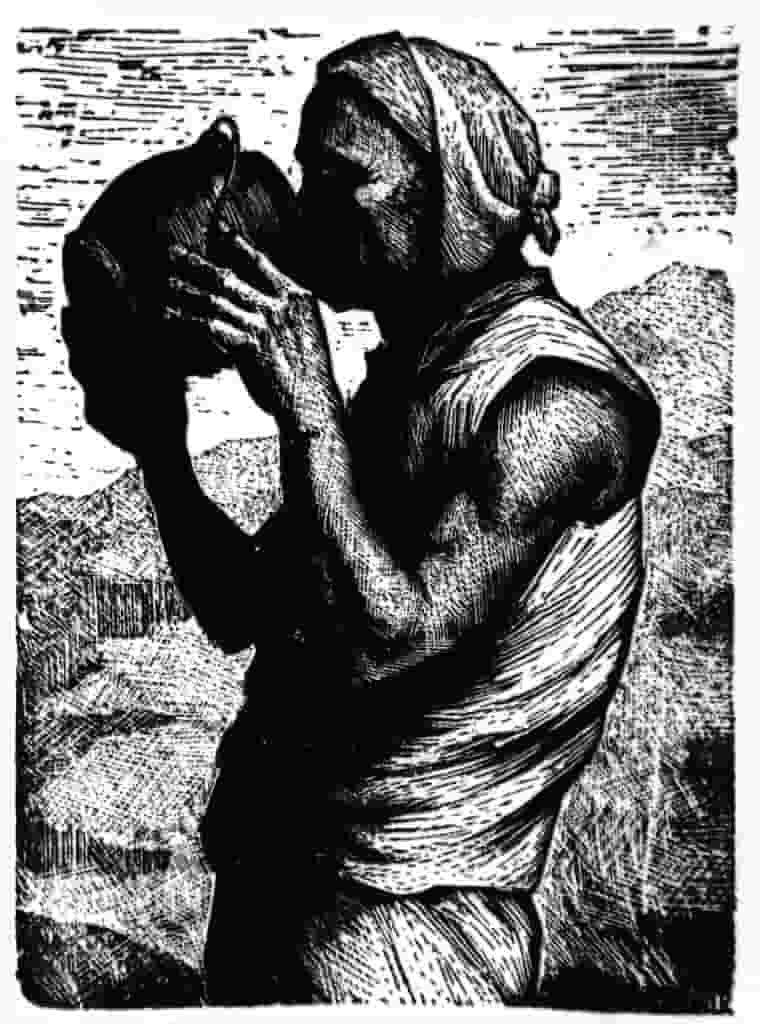
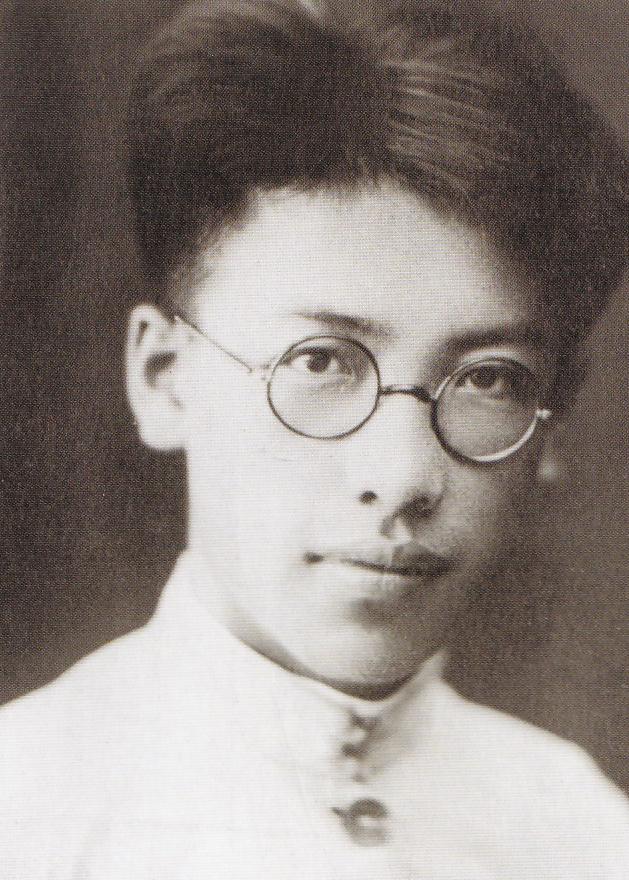
Liqun entered the world on December 25, 1912 (the 17th day of the 11th month in the lunar calendar), coinciding with the inaugural year of the Republic of China. Liqun’s formative years were imbued with the prevailing ethos of “revolution.” Yet, from his early years, his predilection for painting had already taken root, nurtured by his second grandfather, a peasant painter. The family abode adorned with plum, orchid, chrysanthemum, and bamboo paintings attested to this artistic heritage. Moreover, the nearby ancient temple, adjacent to the Enlightenment Primary School, featured paintings such as “Phoenix Playing with Peonies,” crafted by Liqun’s second grandfather. The indelible influence of these surroundings, coupled with his exposure to renowned works like “Mustard Seed Garden Painting Manual” and the name Fu Shan, fuelled Liqun’s growing fascination with the artistic domain. This affinity persisted through his academic journey, from the junior primary school in his village to Daomei Village Senior Primary School, ultimately leading him to Taiyuan Chengcheng Middle School. His subsequent enrolment in the National Hangzhou Art College (China Academy of Art) was a natural progression, rooted in a lifelong inclination toward artistic pursuits. While the term “revolution” initially resonated faintly in his youth, it progressively permeated the depths of his ideology, colouring his subsequent trajectory and life experiences in nuanced and profound ways.
Liqun’s association with Chengcheng Middle School is emblematic of a nurturing experience that left an indelible mark on his life. Throughout the years, his footsteps and heartfelt imprints have illuminated a splendid journey shaped by the invaluable influence of Chengcheng Middle School.