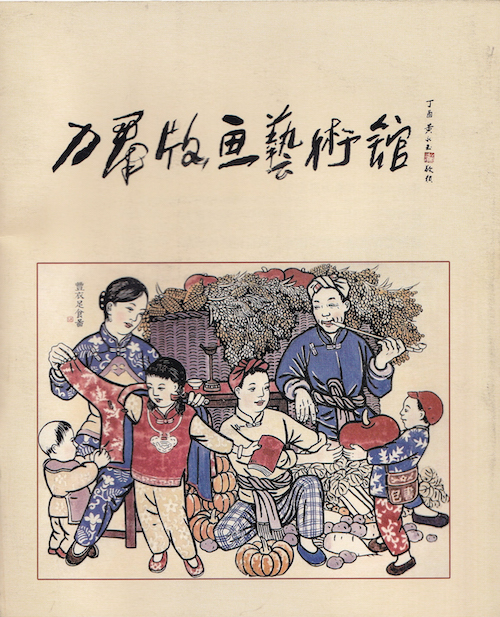
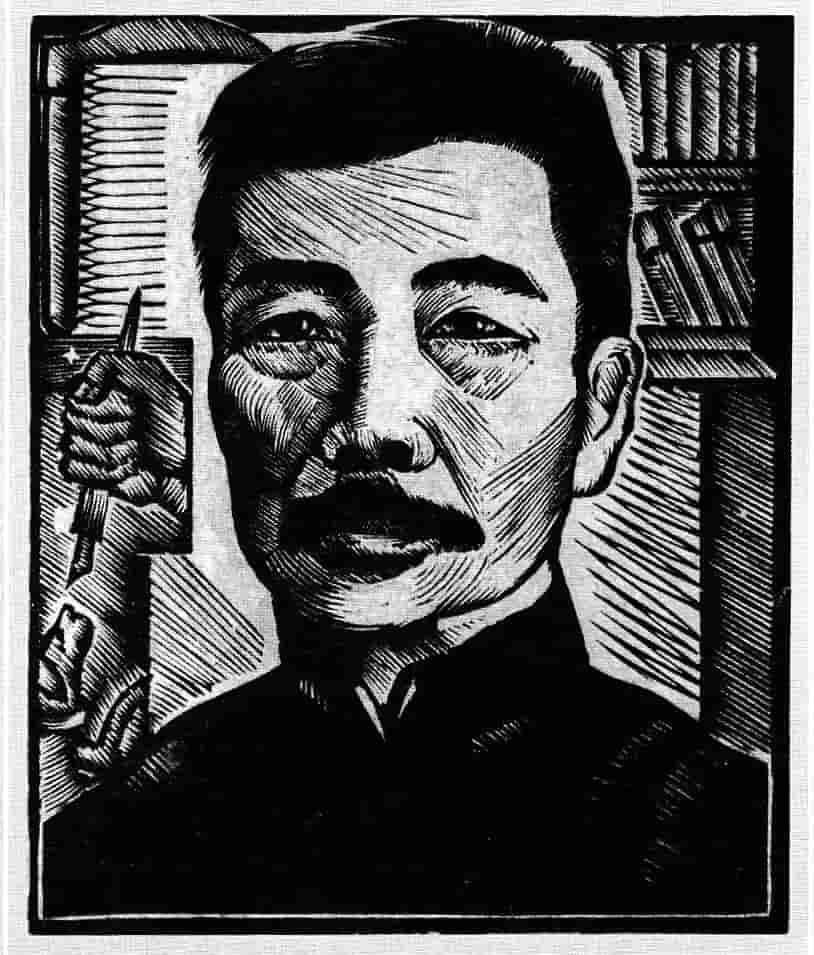
This imagery holds symbolic significance reflecting China’s socio-political context in the late 1930s, characterised by upheaval, foreign invasion, and economic challenges. Reflecting government efforts to boost agricultural productivity amidst food shortages and war against Japanese aggression, the woodcut emphasises the importance of increasing output through proper resource allocation and management. Additionally, it pays homage to women’s role in agriculture, with the pig symbolising fertility, prosperity, and abundance in Chinese culture. Overall, the artwork serves as a visual commentary on the necessity of collective effort to overcome the challenges of the era.


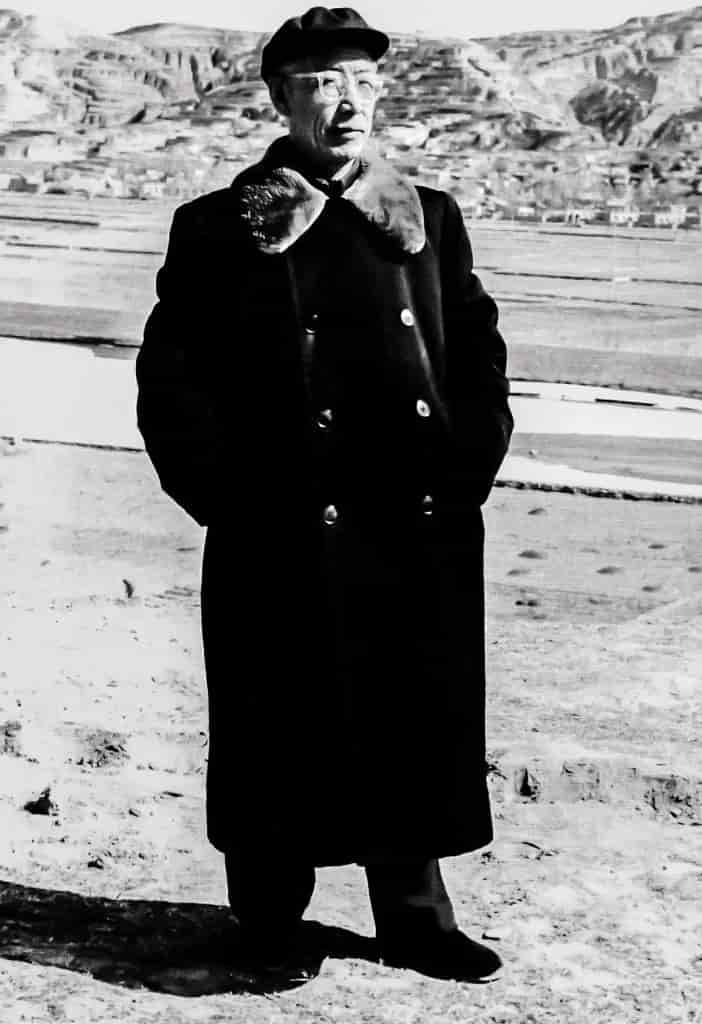

Childhood 1912-1930
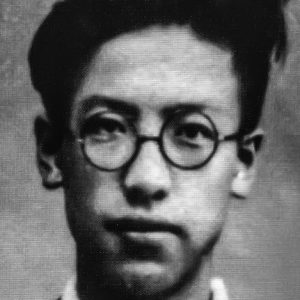
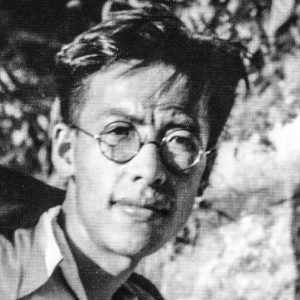
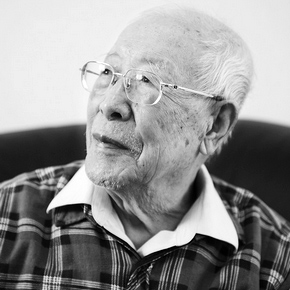
A village childhood Li Qun’s roots trace back to a quaint mountain village, an enclave characterised by a mere six courtyards and ten households in its nascent years. This hamlet, situated in Lingshi County, Shanxi Province, earned its identity as Hao Jia Zhang. Positioned to the east of Fenhe River,